English
 Tiếng Việt
Dai Nam University students transfer to study in the world's semiconductor "capital".



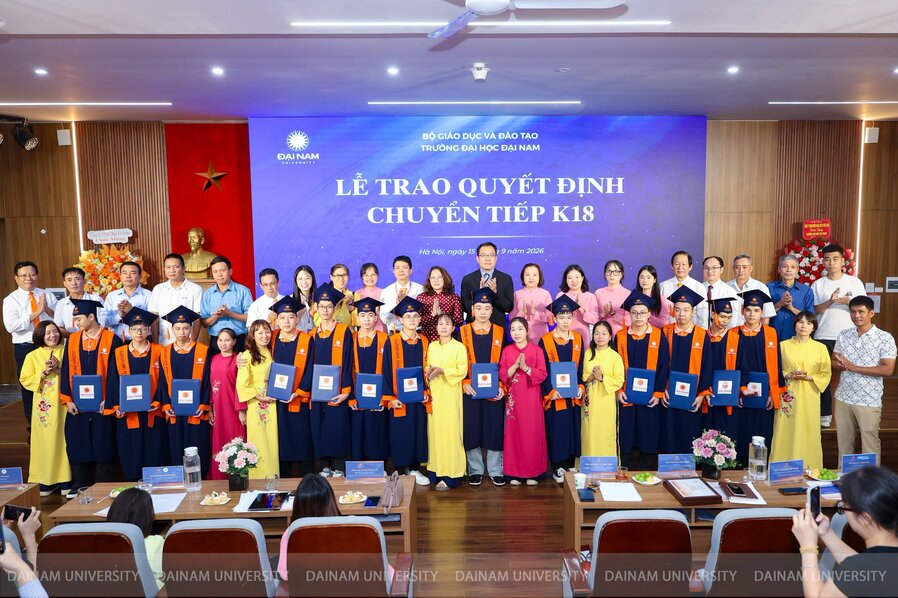
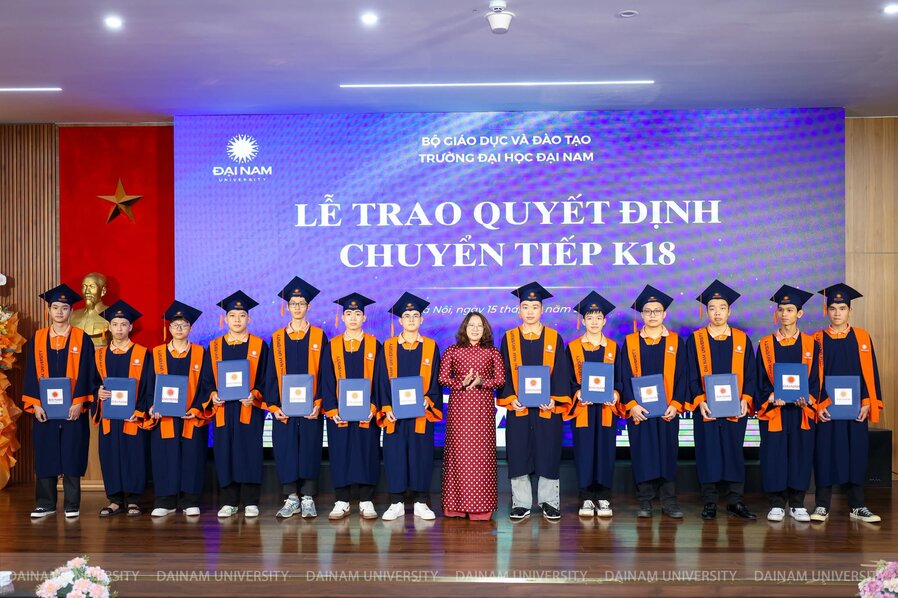
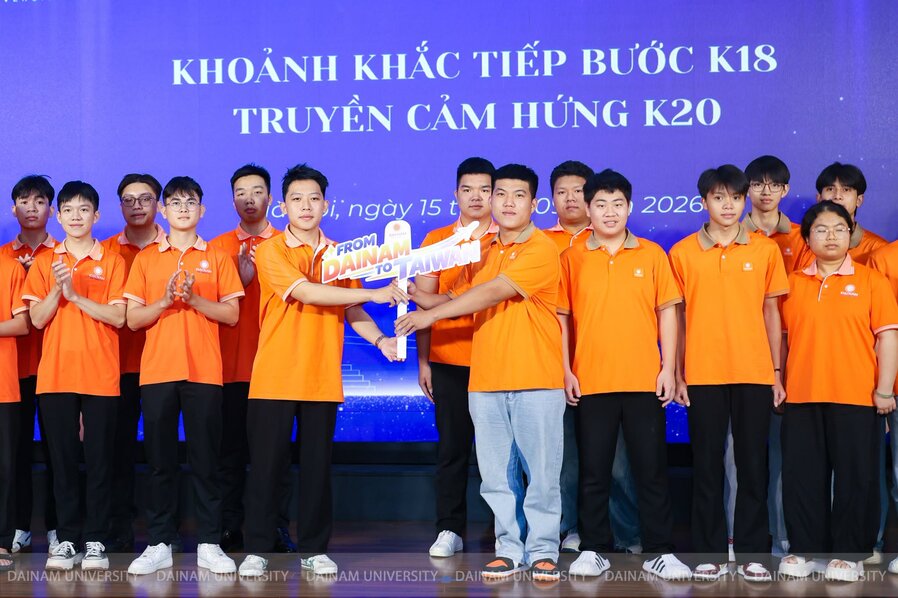
The first cohort of K18 students majoring in Control and Automation Engineering Technology, specializing in Semiconductor Technology, from Dai Nam University (DNU) has just departed for Taiwan to begin two years of intensive study at Long Hua University of Science and Technology. This is the next stage of the 2+2 training program, bringing students from a foundation built in Vietnam to a training environment within a leading global semiconductor ecosystem.
More than just a study abroad trip, the journey of these 13 students marks a significant transition: from learning foundational knowledge to gaining access to in-depth laboratory work, technological processes, and a training environment closely aligned with the real-world needs of the semiconductor industry.
COME TO THE PLACE WHERE THE SEMICONDUCTOR INDUSTRY IS MOST PROMOTING.
Taiwan is known as one of the most important centers of the global semiconductor industry, especially in the field of advanced chip manufacturing. It is home to TSMC and its network of businesses deeply involved in the design, fabrication, packaging, testing, and supply of semiconductor equipment.
From smartphones, cars, and medical devices to data centers and artificial intelligence systems, semiconductor chips are present in almost all modern technology products. The rapid development of AI, high-performance computing, and smart devices continues to increase the demand for skilled personnel throughout the entire industry value chain.
In Vietnam, the development of the semiconductor industry has been identified as one of the strategic directions. According to the human resource development program for the semiconductor industry until 2030, with a vision to 2050, Vietnam aims to train at least 50,000 personnel with university degrees or higher to serve the semiconductor industry by 2030.
In a context where human resources are one of the major bottlenecks in the industry, students with foundational knowledge, practical skills, foreign language proficiency, and international learning experiences will have an added advantage when entering the job market.
The 2+2 program between Dai Nam University and Long Hoa University of Science and Technology is therefore not simply following the trend of studying abroad. The program is being implemented at the right time when the semiconductor industry needs a workforce of well-trained engineers who can adapt and work in an international environment.
TWO YEARS AT DAI NAM - TWO YEARS OF IN-DEPTH STUDY AT LONG HOA
Following the 2+2 program, students study the first two years at Dai Nam University and the following two years at Long Hoa University of Science and Technology.
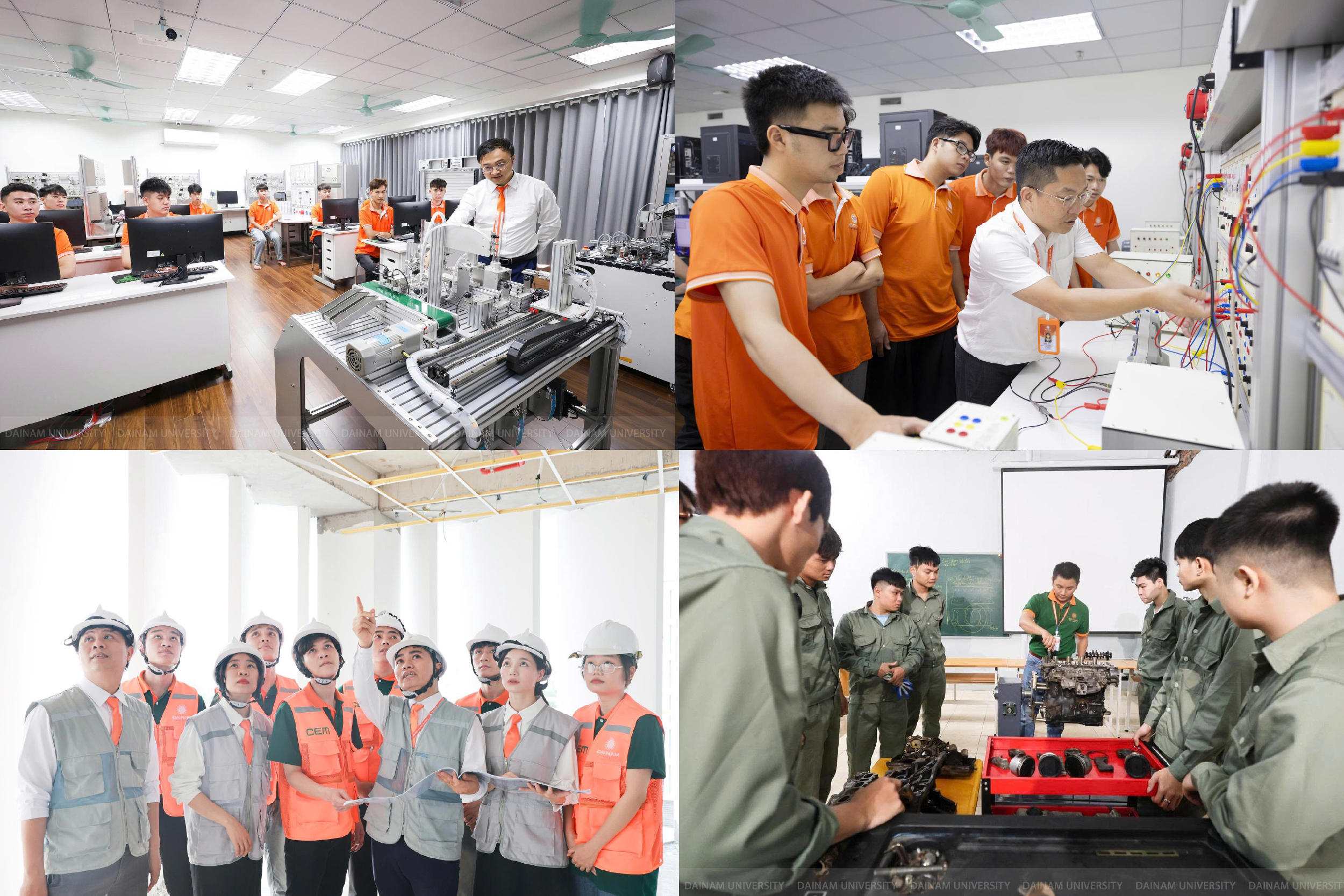
In the initial phase, students are equipped with general knowledge, foundational knowledge in their field, and gradually introduced to specialized content related to control, automation, and semiconductor technology. Through coursework, engineering exercises, and practical activities, students develop technological thinking, learning methods, and the necessary foundation to move on to the advanced training phase.
Two years at Dai Nam University are not aimed at instantly turning students into experts, but rather at helping them understand what they are learning, what skills the semiconductor industry requires, and how to prepare before entering a new training environment.
At Longhua University of Science and Technology, students continue their studies and practice in an applied education environment, gaining deeper access to topics such as semiconductor materials, component manufacturing processes, packaging technology, testing, and smart manufacturing.
Founded in 1969, Longhua University of Science and Technology pursues a training orientation closely linked to practical applications and the workforce needs of businesses. Its laboratory system, practical facilities, and specialized programs enable students to translate their learned knowledge into concrete practical skills.
Associate Professor Dr. Dao Thi Thu Giang - Rector of Dai Nam University, stated: “In rapidly changing fields like semiconductor technology, university education cannot simply focus on imparting knowledge in the classroom. Students need to be prepared with a solid foundation in professional skills, practical abilities, foreign languages, and the capacity to adapt to the continuous changes in technology. Through the 2+2 program, Dai Nam University aims to expand the learning environment for students, helping them gradually access international training and industrial environments. The goal is not just a degree, but the ability to continue learning, working, and developing long-term in their careers.”
Dr. Nguyen Hoai Tam - Director of the International Training Institute, Dai Nam University, emphasized that the core value of the program lies in the connection between the two training phases: “A bridging program is only truly valuable when students are fully prepared before entering a new environment, and the knowledge and skills in the later phase must build upon and develop the foundation of the earlier phase. Sending students abroad is not the ultimate goal; what matters is what they learn, what they accomplish, and how they grow after that journey.”
DON'T LOOK FOR A PROMISE ON PAPER
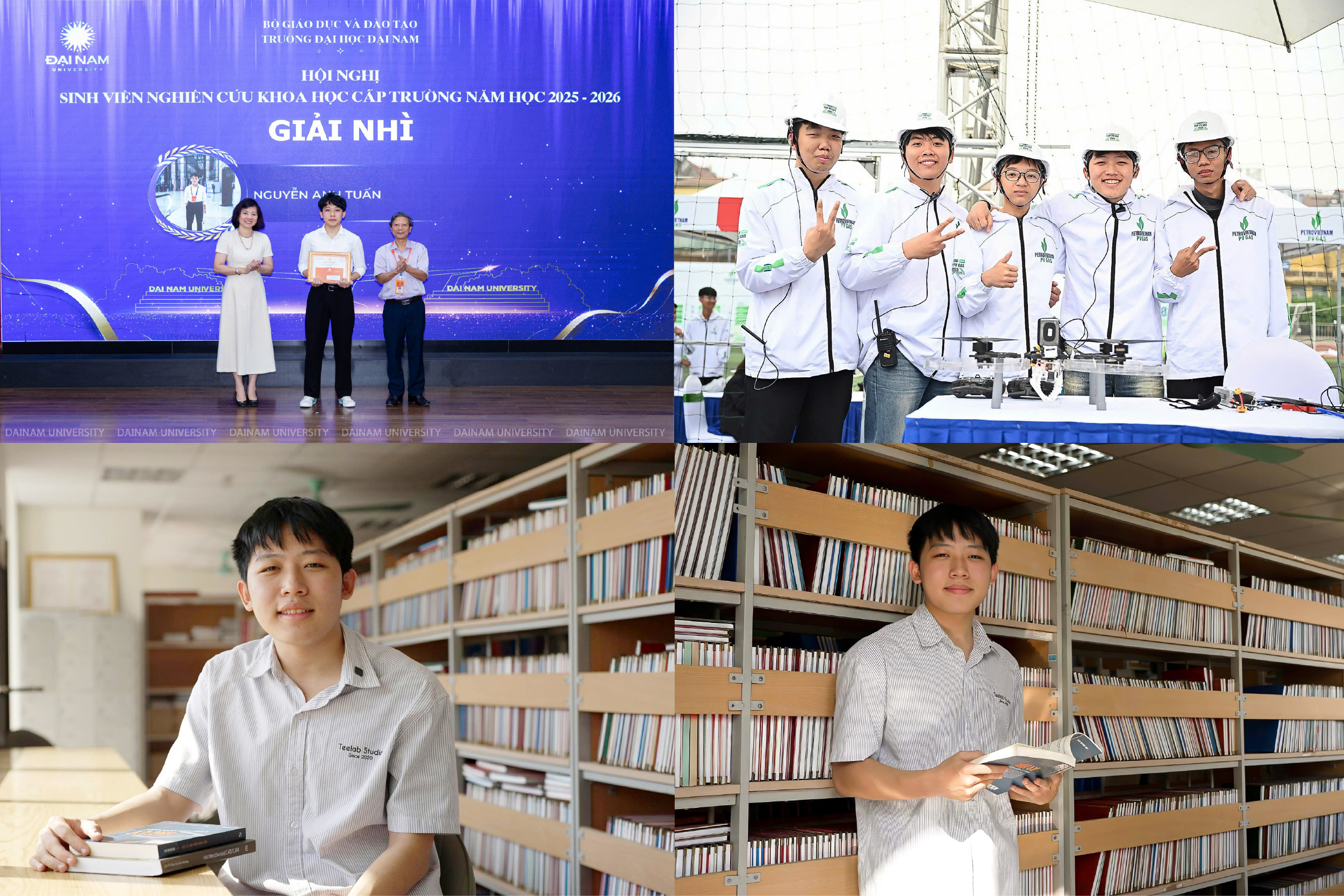
Among the 13 students embarking on this trip is Nguyen Anh Tuan, a student who previously won third prize in the national physics competition for gifted students.
For Tuan, choosing the semiconductor industry didn't stem from a desire to follow a trending field of study, but rather from a alignment between his personal abilities, interests in science and technology, and long-term career aspirations.
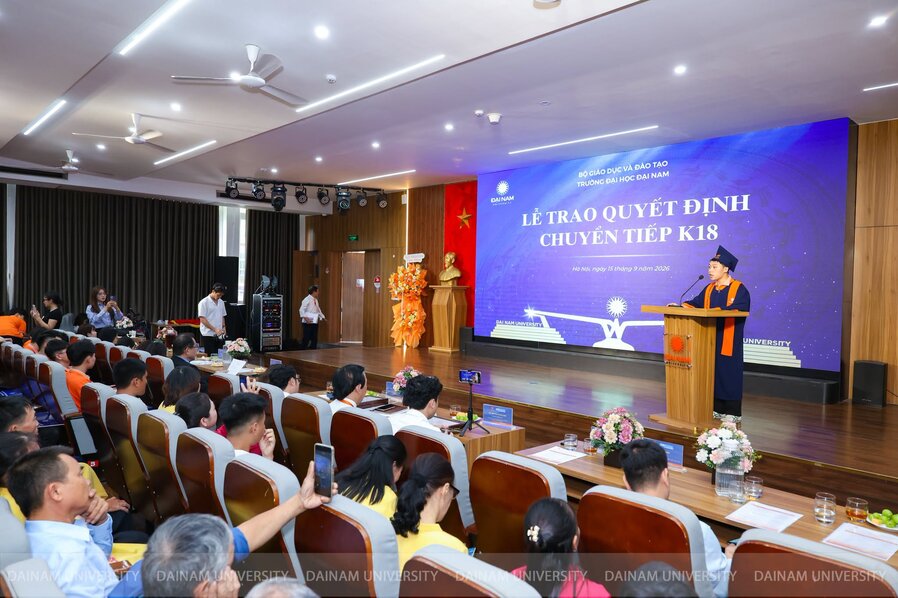
“I’m not looking for a promise on paper. What I need is a clear roadmap: two years of building a foundation in Vietnam and two years of continued study and practice at Long Hoa University of Science and Technology. I want to gain a deeper understanding of my chosen field, be exposed to a technologically advanced environment, and better prepare myself professionally, in terms of foreign languages, and adaptability before entering the workforce,” Tuan shared.
The next two years in Taiwan will be a time for Tuan and his classmates to further refine their professional knowledge, practical skills, and ability to work in a multicultural environment. It will also be an opportunity for each student to better identify suitable career positions within the semiconductor value chain, from integrated circuit design and chip manufacturing to packaging and testing.
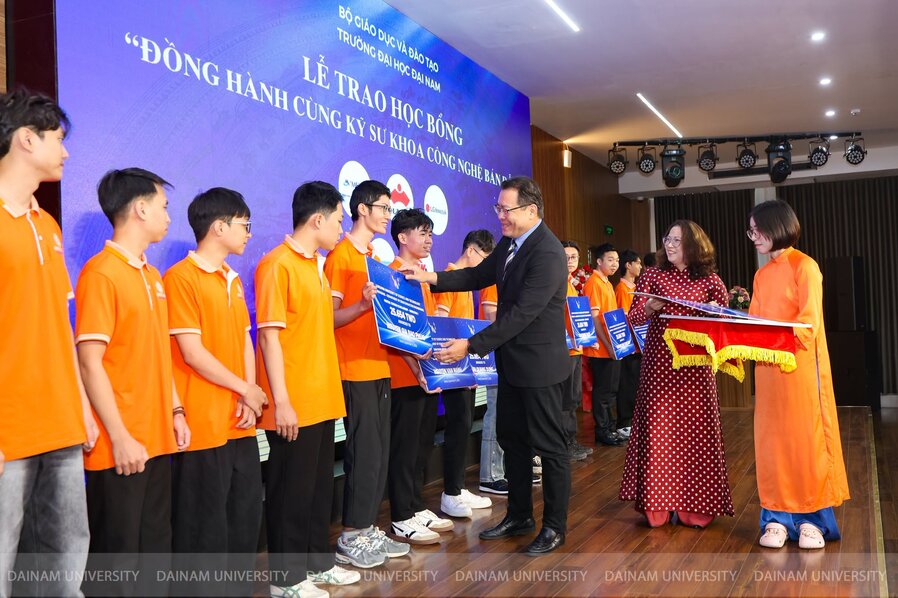
GO TO BRIDGE THE COMPETENCE GAP
The most important gap in this journey is not the distance from Hanoi to Taiwan, but the gap between classroom knowledge and practical work skills.
That gap cannot be bridged simply by a trip or an international degree. It is narrowed through each hour of study, each practical exercise, each time working in the laboratory, and each challenge that students must overcome on their own in a new environment.
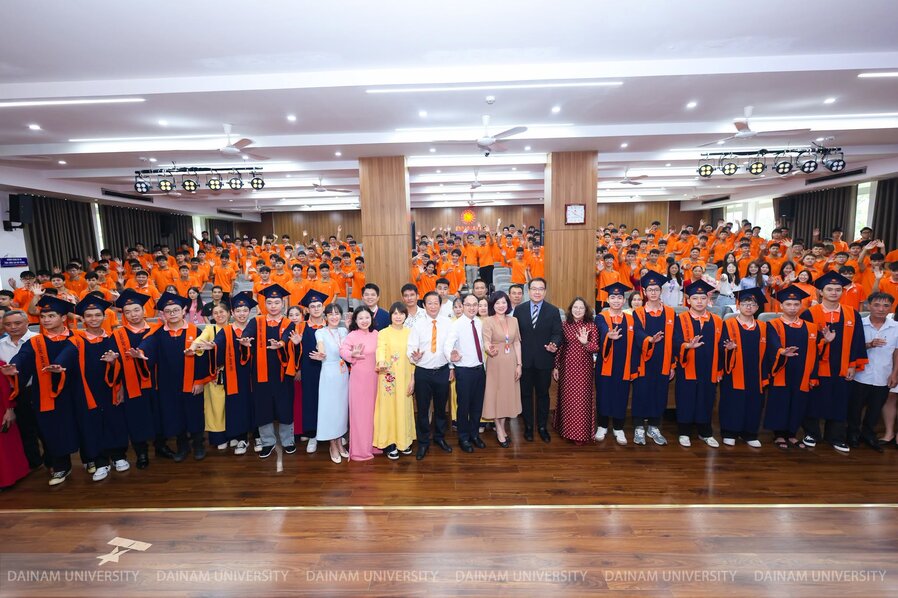
The 2+2 program between Dai Nam University and Long Hoa University of Science and Technology does not promise an easy future. The value of the program lies in providing students with a clear learning path, a suitable training environment, and opportunities to develop their skills to enter the industry shaping the future of global technology.
Thirteen students embarking on this journey carry with them the foundation they have built over two years at Dai Nam University. Ahead lie two years of challenging yet opportunity-rich studies – so that each student returns not just with a degree, but with real competence, true confidence, and readiness for a promising career.
BTT