English
 Tiếng Việt
Why are Electrical and Electronic Engineering and Mechatronics Engineering becoming some of the hottest fields of study?



Smart factories are being built, automated production lines are constantly expanding, and electric vehicles, robotics, and the semiconductor industry are thriving. Behind this wave of transformation lies a growing demand for Electrical and Electronic Engineering and Mechatronics Engineering professionals – those who directly design, operate, and master modern technological systems.
Electrical and Electronic Engineering, and Mechatronics Engineering are the foundation of the technological world.
Businesses aren't looking for people who know how to learn; they're looking for people who know how to do.
In just the last few years, Vietnam's industrial landscape has changed dramatically. Electric vehicles are developing rapidly, semiconductor chip manufacturing projects are continuously receiving investment, robots are increasingly appearing on production lines, while smart industrial parks and factories are constantly expanding in scale.
Notably, the biggest challenge for businesses today is no longer finding orders, but rather sourcing high-quality human resources. In particular, the demand for Electrical and Electronic Engineering and Mechatronics Engineering graduates who can start working immediately after graduation is steadily increasing.
According to experts, this is also one of the sectors with many opportunities for sustainable development in the era of smart industry.
If AI is likened to the "brain," then Electrical, Electronics, and Mechatronics are the "nervous system" and "hands" that transform technology from ideas into products and operating systems in life.
A manufacturing company cannot afford to have its production line shut down simply because a new engineer hasn't mastered the equipment. Smart factories also don't have much time for retraining from scratch. What they need are engineers with a solid professional foundation, who know how to operate electrical systems, control equipment, automated production lines, and are capable of handling real-world situations.
Qualifications are still a necessary condition, but practical skills, adaptability, and real-world experience are the decisive factors in determining a worker's competitiveness.
Electrical and Electronic Engineering, and Mechatronics Engineering are the foundation of the technological world.
When it comes to AI, many people immediately think of ChatGPT. When talking about robots, the first image that usually comes to mind is that of automated robotic arms. And with electric vehicles, what usually attracts attention is the design or battery technology.
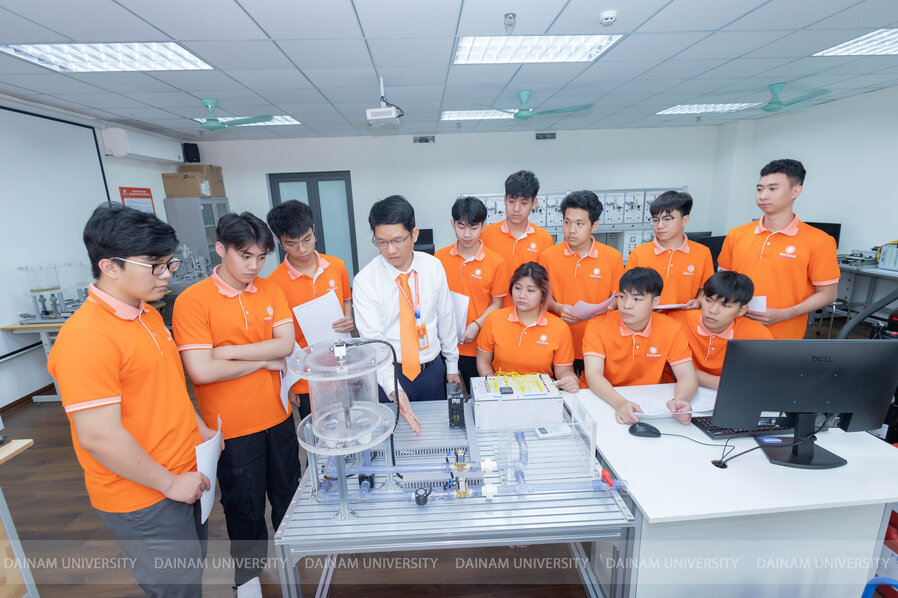
However, behind all these technologies lies the expertise of Electrical and Electronic Engineering and Mechatronics Engineering engineers. They are the ones who design electrical systems, integrate sensors, program controls, operate production lines, and ensure the entire system operates stably.
If AI is likened to the "brain," then Electrical, Electronics, and Mechatronics are the "nervous system" and "hands" that transform technology from ideas into products and operating systems in life.
How can I study so I don't get left behind?
In the context of rapidly changing technology, simply mastering the theory is not enough.
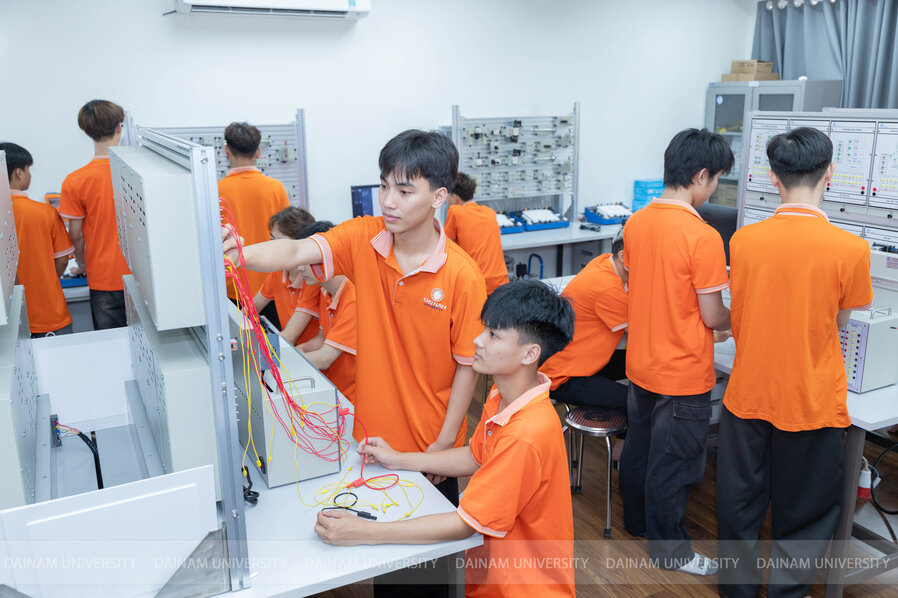
Students need access to a real-world production environment, direct experience working with modern machinery and equipment, collaborating with engineers, and participating in solving the problems that businesses are facing.
This is also the current training trend at many universities: shifting from teaching what the university has to offer to training what businesses need.
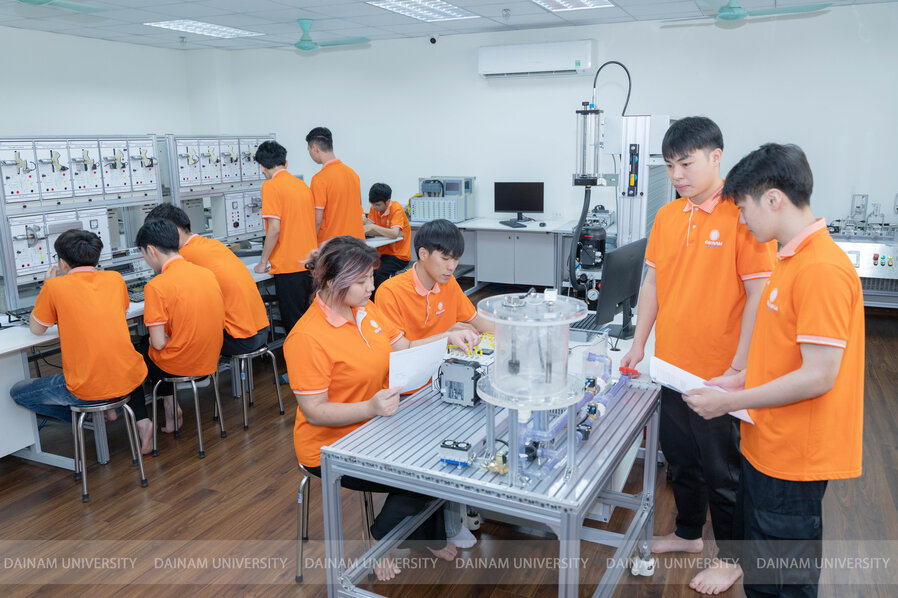
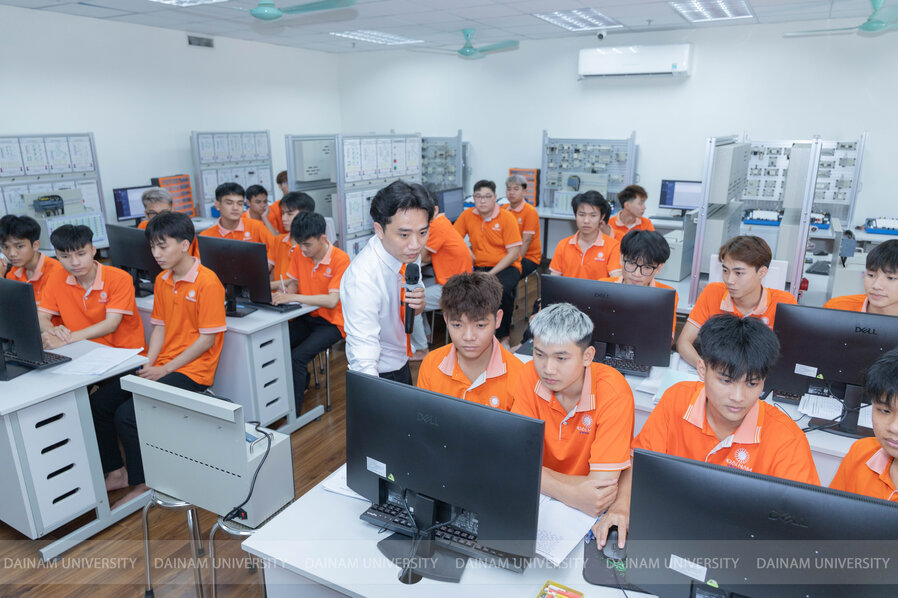
Students majoring in Electrical and Electronic Engineering Technology at Dai Nam University study in a modern practical environment, directly mastering equipment and technology right from the classroom.
Dai Nam University: Bringing businesses into the classroom, connecting students with businesses.
For the Electrical and Electronic Engineering Technology and Mechatronics Engineering Technology programs, Dai Nam University chooses a training model closely linked to practical applications.
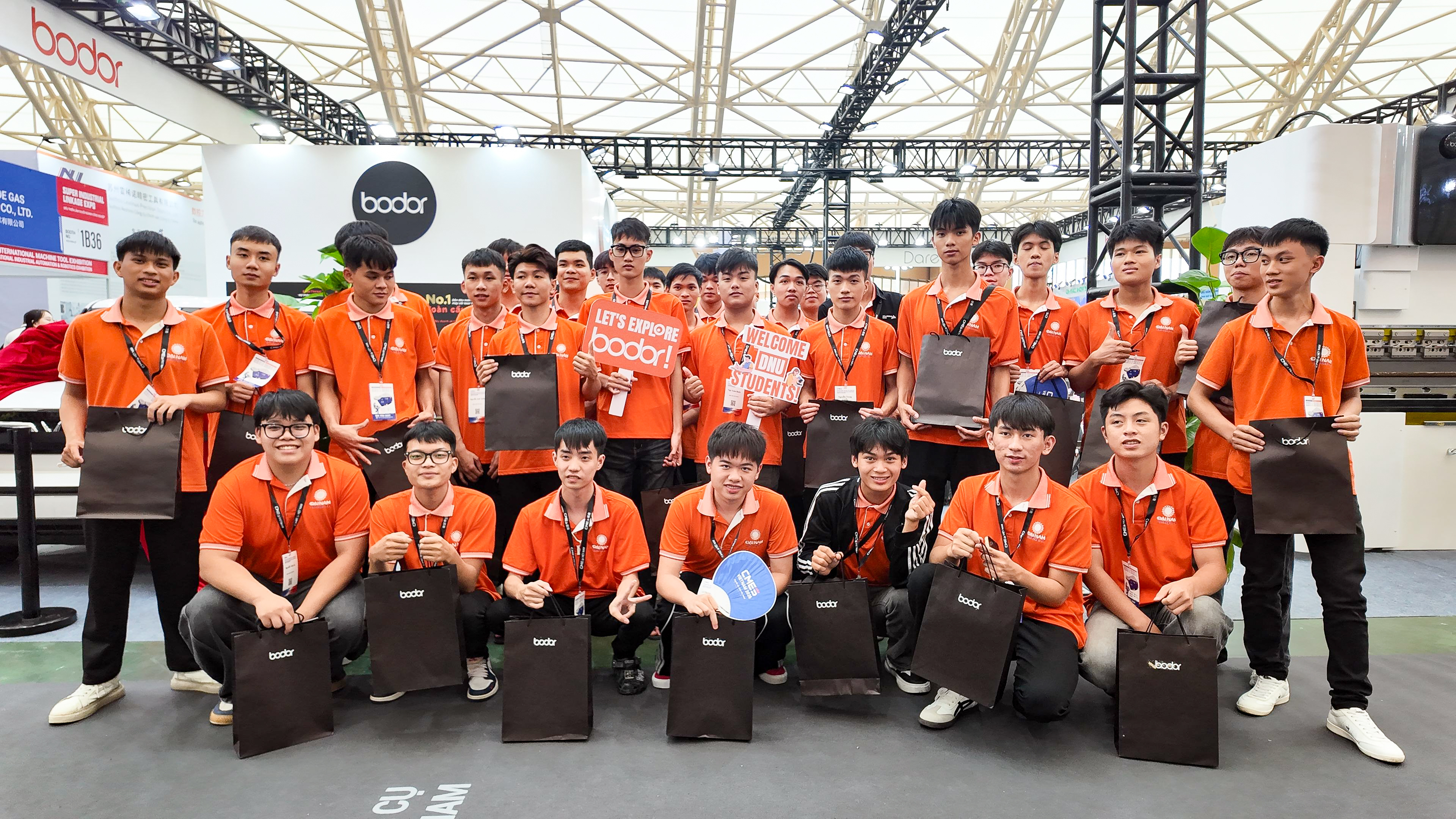
Students don't have to wait until their final year to do internships; instead, they get early access to businesses, participate in practical modules, experience modern production environments, and learn alongside engineers who are already working in the field.
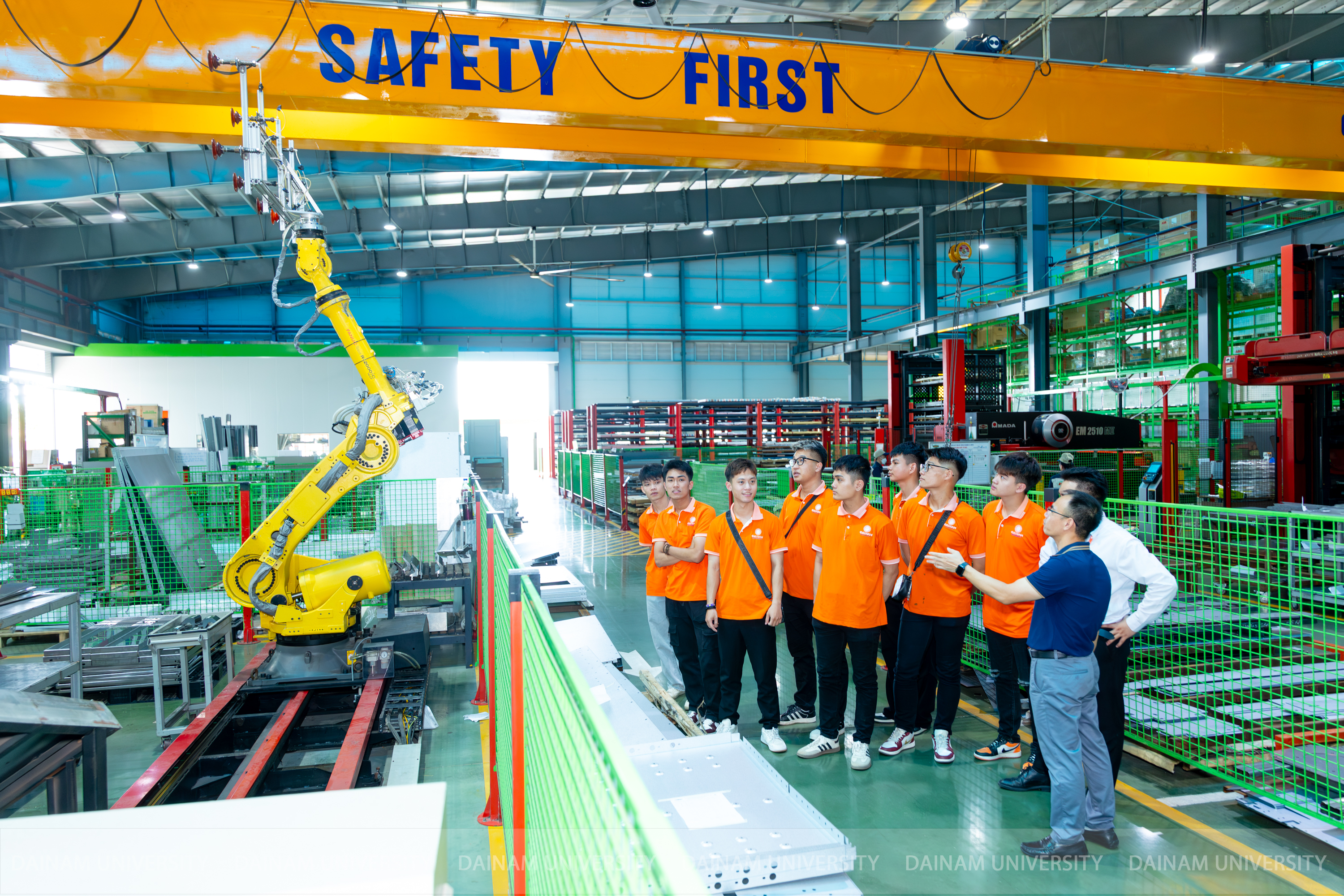
A highlight of the program is the collaboration with Advanced International Corporation (ACIT), which provides students with opportunities to learn and practice at the company, gaining access to real-world production lines and operational processes during their training.
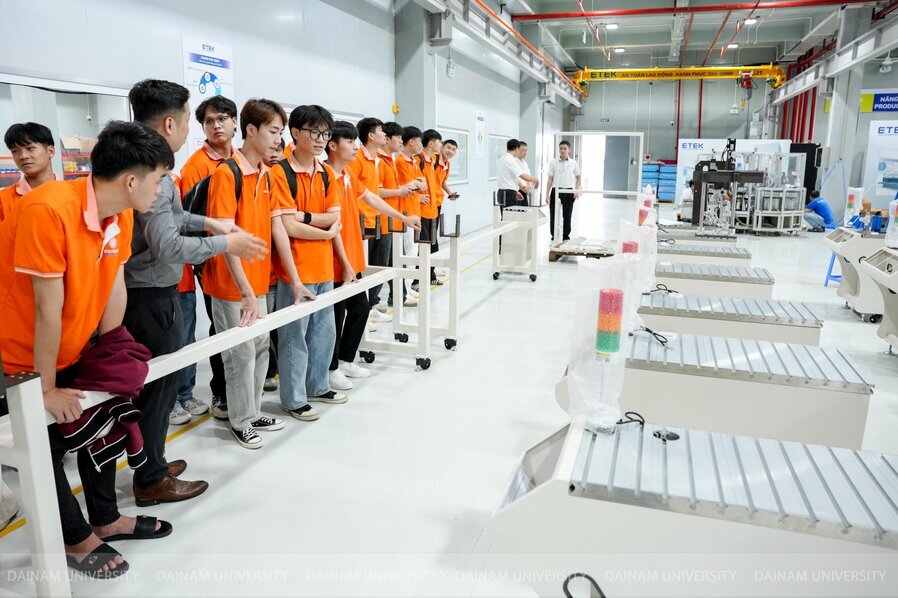
The enterprise-linked training model helps Dai Nam University students gain early access to production lines and real-world working environments.
The university has also invested in a system of classrooms and laboratories with modern equipment within its nearly 10-hectare campus; built a team of experienced lecturers, combining academic expertise with practical experience. Students also participate in internships and business experiences from their first year, study in a dynamic environment with more than 30 clubs, have access to a 55 billion VND scholarship fund, benefit from a policy of no tuition fee increase throughout their course, and are connected with jobs before graduation.
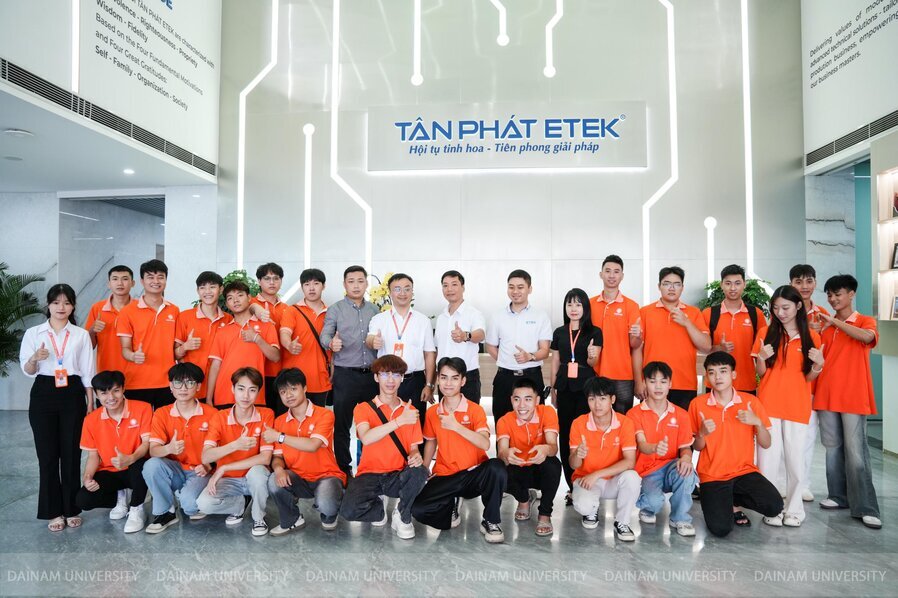
Choosing a field of study is essentially choosing a future.
The world will continue to change with more smart factories, more robots, and constantly emerging new technologies. However, every technological system still needs competent engineers to design, operate, and optimize it.
That is why Electrical and Electronic Engineering and Mechatronics Engineering are not only promising fields of study today, but also sustainable choices for young people who want to contribute to the development of the industry in the future.
>>> REGISTER FOR ADMISSION: HERE
HTC