English
 Tiếng Việt
The communication skills gap among students and the role of higher education.



In the context of a rapidly developing digital age, many students enter university with a fairly solid foundation of specialized knowledge, but struggle with face-to-face communication and basic social interaction. This is not a personal issue or a sign of moral decline, but rather reflects a gap in life skills that needs to be systematically addressed and filled by higher education institutions. These manifestations may include awkwardness when greeting others, a lack of reflexes in saying thank you or sorry, reluctance to engage in direct conversation, or stiff communication via email or text messages. On the surface, it's easy to attribute this to indifference or a lack of awareness. However, from an educational and socio-psychological perspective, this is a consequence of a disruption in the development of communication skills in young people.
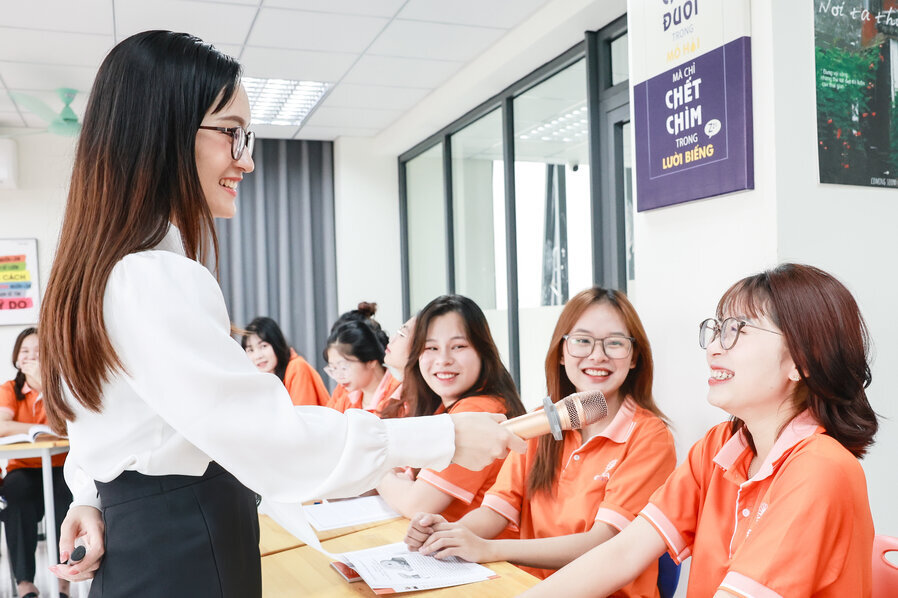
This phenomenon is real, but it doesn't represent an entire generation.
It's important to clarify that this phenomenon doesn't reflect the entirety of today's students. In reality, many young people communicate maturely and politely, listen attentively, are proactive in their studies and work, and behave respectfully in both academic and social environments.
This shows that the problem doesn't lie with the "younger generation," but rather with the environment and conditions that shape the communication skills of a segment of students. Manifestations such as not greeting when entering a shared space, not thanking for help, not apologizing after a collision, brief and emotionless communication, or avoiding direct interaction don't stem from rudeness, but from a lack of adequate communication skills as a life ability.
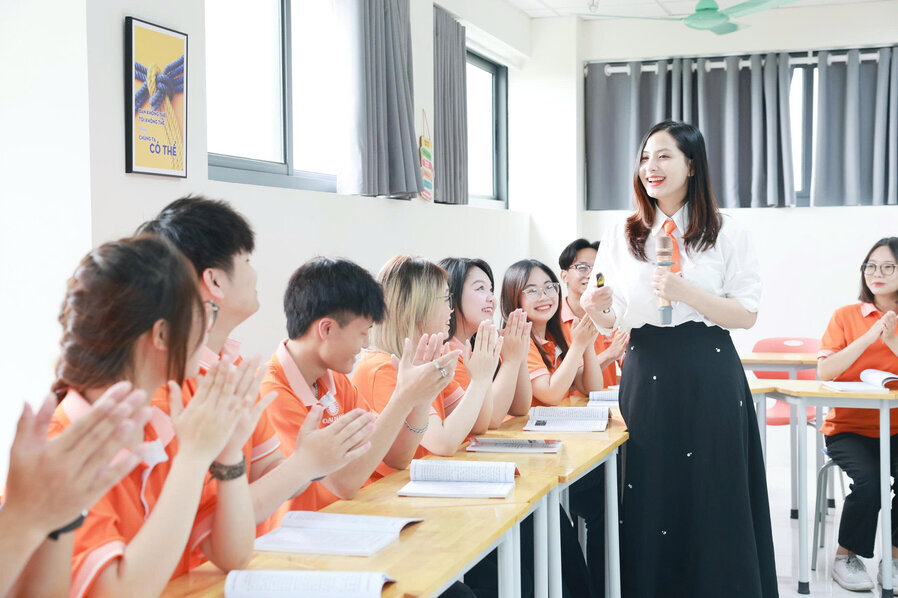
The worrying thing isn't a lack of politeness, but a decline in connectivity.
The real concern lies not in superficial behavior, but in something deeper: many young people are gradually losing their ability to connect emotionally in face-to-face communication. When communication is reduced to "send - receive - done," "right - wrong - done," or "my business - none of your concern," subtlety in interaction is gradually eroded.
The reasons stem from the fast-paced lifestyle and academic pressure; the strong influence of digital devices; the habit of communicating through screens; the fear of making mistakes and being judged; and especially the lack of an environment for practicing face-to-face communication. In this context, many students are not intentionally aloof, but simply do not know how to express appropriate emotions and attitudes in social relationships.
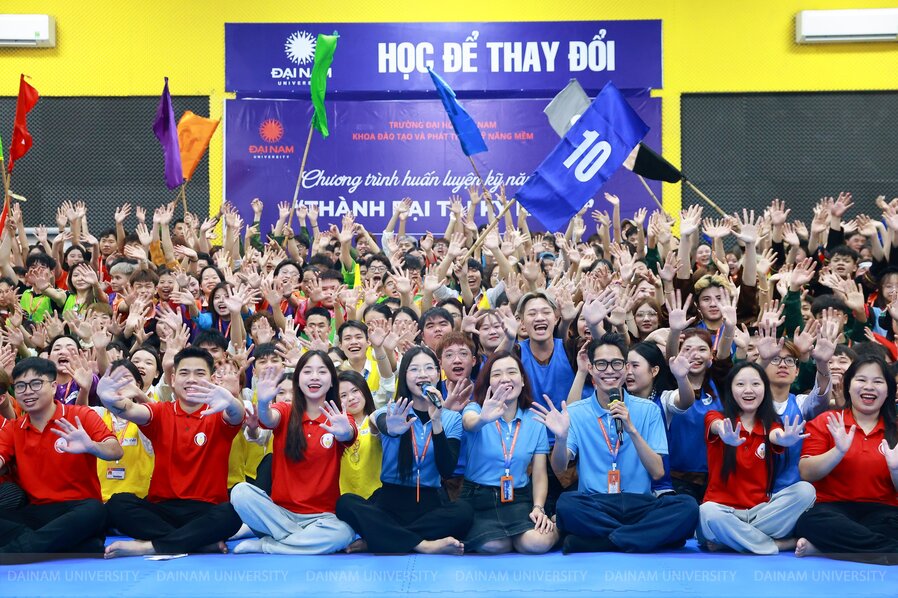
The biggest gap: not knowing what skills I'm lacking.
One of the core issues is that many students are unaware of their lack of communication skills. They may not realize that an overly brief email can be disrespectful; they may not understand that an apology can help ease tension; they may not see the importance of greeting others; or they may not be able to anticipate the other person's feelings.
Without a "standard of reference," learners don't know what they're lacking and therefore lack the motivation to adjust. This is where education needs to play a guiding role, rather than a critical one.
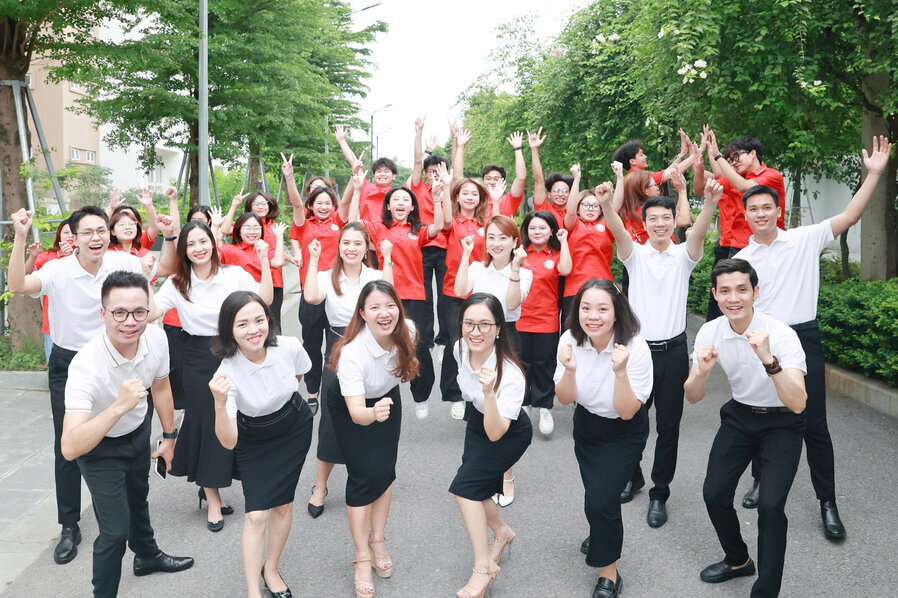
Higher education and its role in shaping social competencies.
Judgmental views of young people can easily lead to extreme conclusions. However, from an educational perspective, they grow up in a very different environment than previous generations: lacking opportunities for face-to-face communication practice, lacking behavioral role models to observe and learn from, and trying to adapt in the safest way possible.
Therefore, what is needed is not reprimand, but to create a positive communication environment; to teach through exemplary behavior; to correct mistakes through guidance instead of judgment; and to help students "learn to be human" in a safe environment. As many educators have agreed: "Kindness is not an instinct. Kindness is the result of learning and practice."
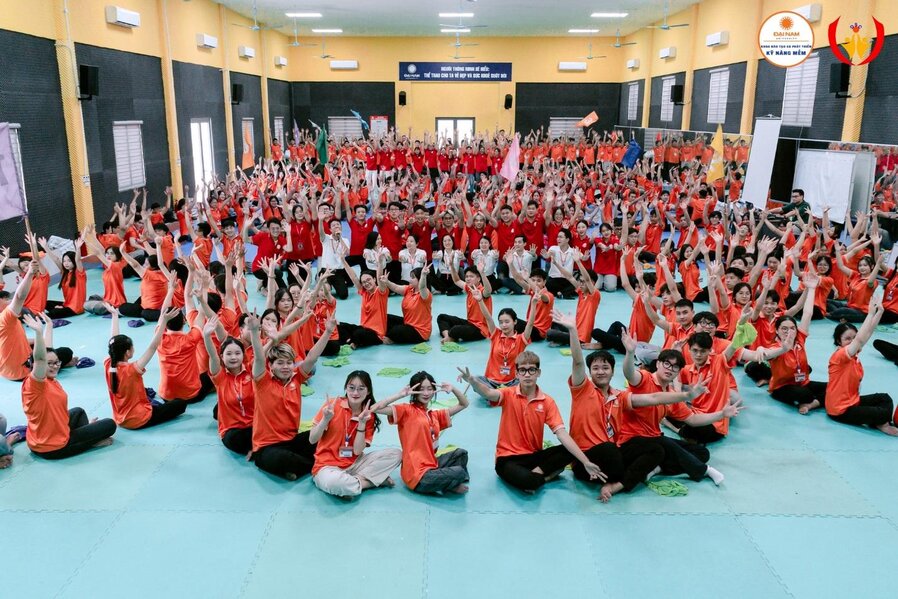
The role of teachers and the Department of Soft Skills Training and Development
Based on this reality, the role of teachers in higher education is not limited to imparting specialized knowledge, but also includes shaping students' attitudes, behaviors, and communication skills.
At Dai Nam University , the Faculty of Soft Skills Training and Development is identified as a crucial component of the training system, where communication skills are not considered a "minor subject," but rather a foundation that helps students develop the capacity to live and work in modern society. Students are trained in communication and interpersonal skills, teamwork, presentation and critical thinking, email writing, emotional control, and civilized behavior.
More importantly, students learn communication skills through the way their teachers interact: giving constructive feedback without causing harm, correcting mistakes while maintaining respect, engaging in frank but civilized discussions, and listening instead of imposing. This is the most effective form of education – education through behavior and environment.
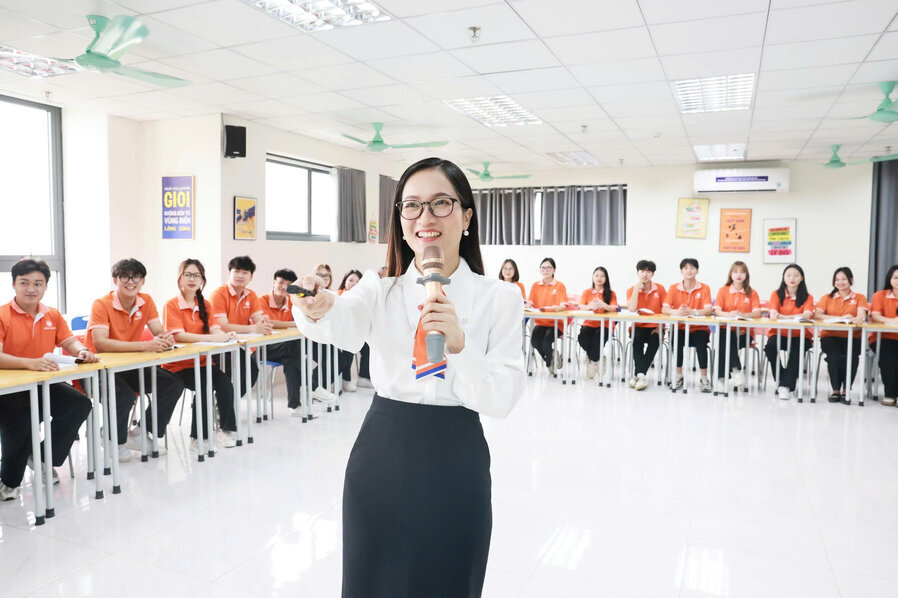
Without proper guidance, students are easily misunderstood, miss opportunities in their studies and careers, become withdrawn, and struggle to integrate into the professional work environment. Meanwhile, what they lack is not awareness, but a correct frame of reference to learn how to be a good person in modern society.
Communication is not a burden, but a way for people to let each other know that they exist together. Preserving that is preserving kindness in society. And that is what education, especially life skills education, is persistently doing every day at DNU.
HTC