English
 Tiếng Việt
When culture becomes the classroom: How Dai Nam University trains Chinese language students through practical experience.



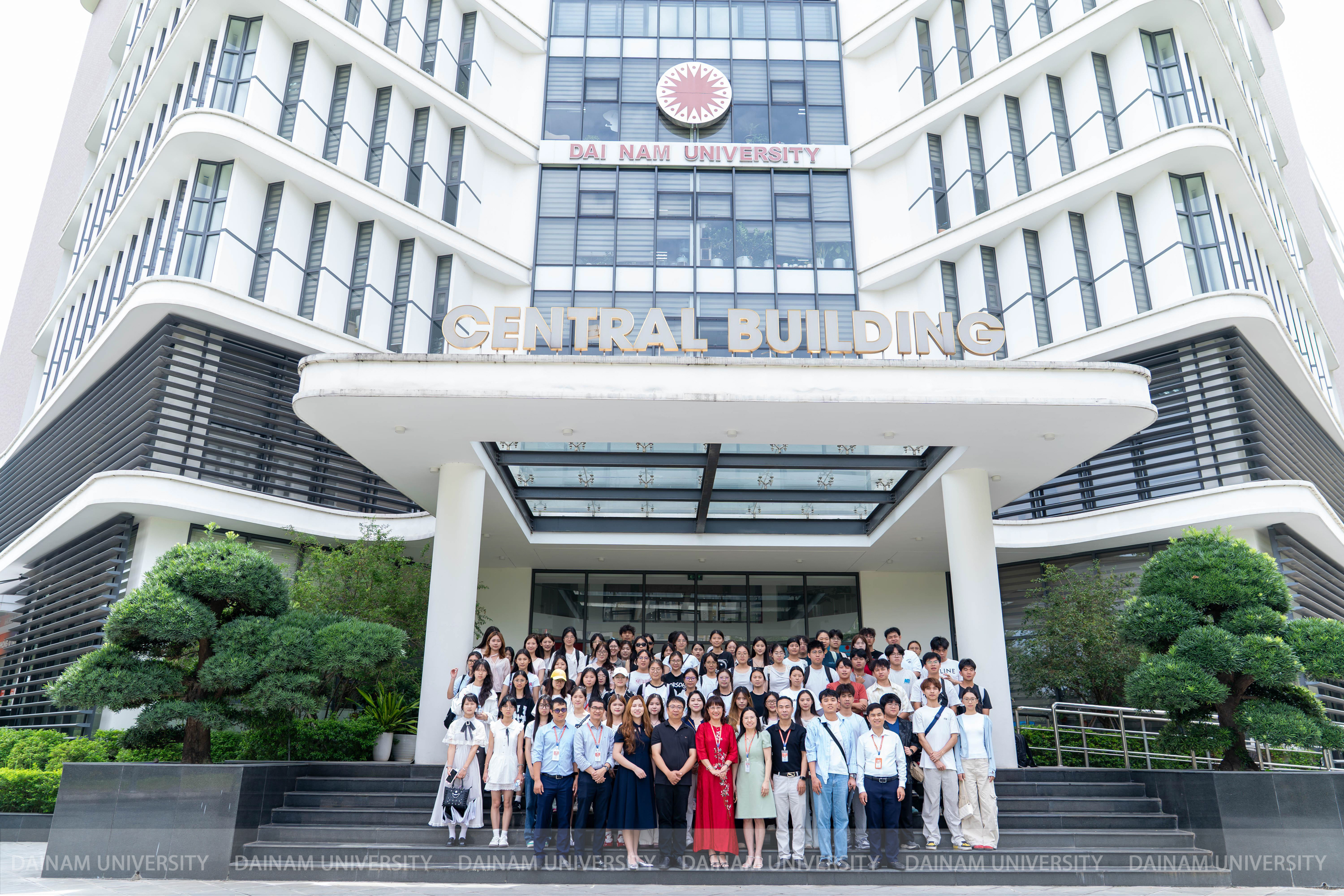
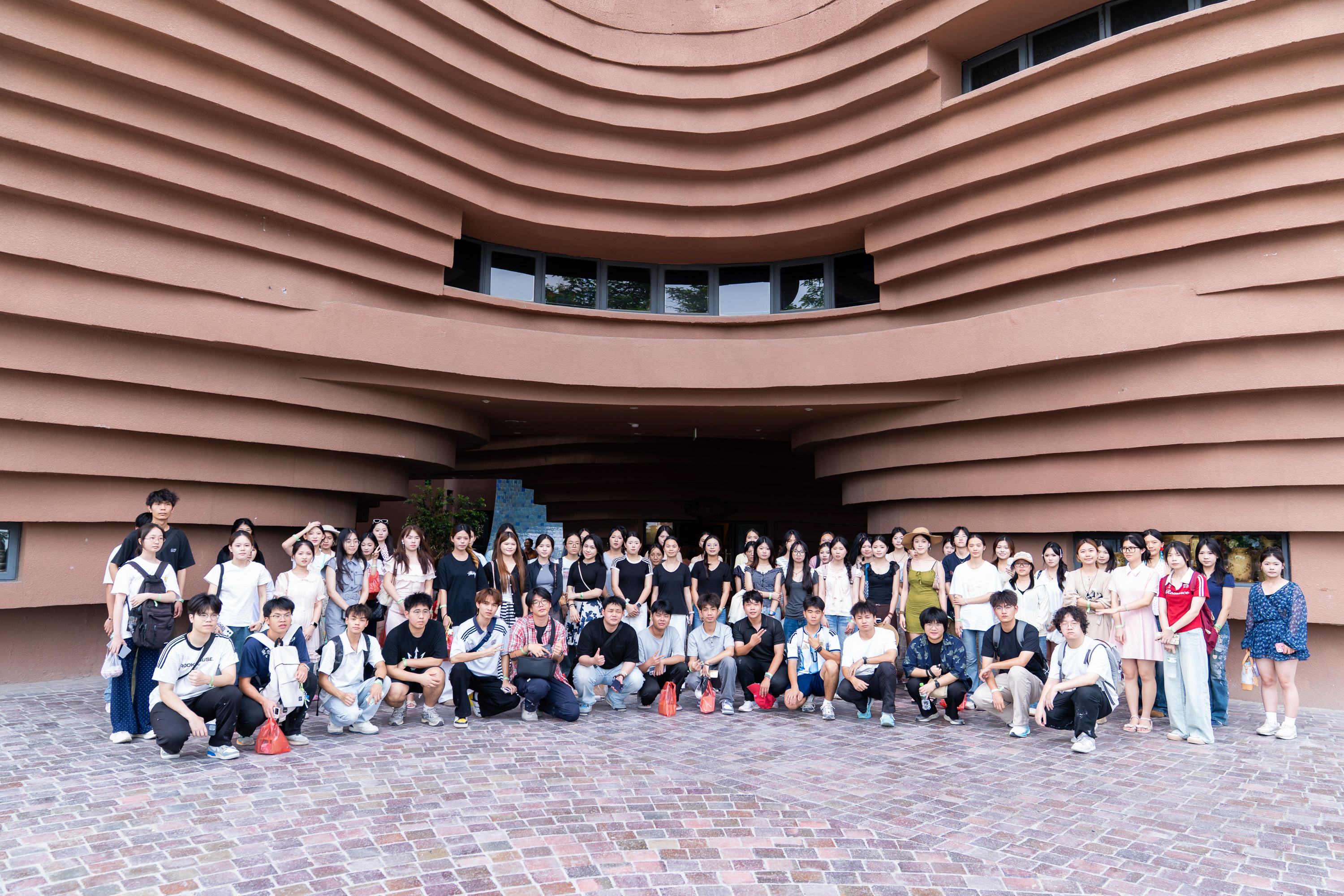
In the context of businesses increasingly needing personnel who are not only proficient in foreign languages but also knowledgeable about culture and capable of working in an international environment, the training of students majoring in Chinese Language and Culture is also undergoing significant changes. From the DNU Vietnam-China Cultural Exchange Festival 2026, it is clear how Dai Nam University is integrating cultural experiences into the classroom, helping students develop integration skills from their time in university.
When culture becomes a classroom
It is no coincidence that many students majoring in Chinese Language and Culture at Dai Nam University consider the Vietnam-China Cultural Exchange Festival one of the most anticipated events of the year.
There, Chinese is no longer confined to textbooks or classroom tests. The language is present in every stroke of calligraphy, every traditional art form, every classic literary work, every distinctive dish, and even in conversations between people who share a love for Chinese culture.
With the theme "Unity of Hearts - Connecting the Alluvial Plains," the DNU Vietnam-China Cultural Exchange Festival 2026 provided a vibrant and diverse experiential space where students could explore, connect, and learn through lively cultural activities.
In the central square, the experiential booths were always crowded with participants. In front of the calligraphy booth, many students intently practiced their first strokes in Chinese. At the Peking Opera mask area, laughter echoed as students enthusiastically transformed themselves into familiar characters from Chinese culture. Not far away, traditional dishes were continuously enjoyed and shared in a lively atmosphere of interaction.
From exploring the Four Great Classical Novels and the Four Great Inventions through bilingual explanations to experiencing various forms of folk art, each activity opens a door for students to access culture in the most visual and engaging way.
While in the classroom students learn how to use a language, at the festival they have the opportunity to gain a deeper understanding of the cultural values that have shaped that language.
Dr. Le Thi Thanh Huong, Vice Rector of Dai Nam University, believes this is one of the important elements of modern foreign language training.
“In foreign language training, language and culture always go hand in hand. Students who want to use Chinese proficiently need not only linguistic knowledge but also an understanding of the culture, people, and social context of that country. The school always focuses on creating open learning spaces so that students can experience, interact with real-world situations, and learn through their own feelings.”
According to Dr. Le Thi Thanh Huong, such experiences not only help learners remember knowledge better but also contribute to the formation of an integrated mindset, adaptability, and the ability to work in a multicultural environment.
Learn a foreign language to connect and integrate.
For many years, the Department of Chinese Language and Culture has set its training goals beyond simply helping students become proficient in Chinese. More importantly, it aims to train individuals capable of working in international environments, possessing cultural understanding, open-minded thinking, and intercultural communication skills.
Therefore, in addition to professional training programs, students regularly participate in international exchange activities, academic competitions, business networking, and practical cultural experiences.
Dr. Vo Thi Minh Ha, Head of the Department of Chinese Language and Culture, shared: “We don’t train people who only know how to speak Chinese. We aim to train people who can use the language as a tool to connect, work, and develop their careers in a multicultural environment. To achieve that, students need to learn not only in the classroom but also from real-world experiences.”
That philosophy was clearly demonstrated through every activity of the festival, where students were not only participants but also organizers, presenters, connectors, and spreaders of cultural values to the community.
Transform knowledge into practical skills.
A highlight of the program was the 4th season of the Chinese Drama Competition, featuring 12 teams from various universities in the northern region. The stage became a platform for students to comprehensively apply their language knowledge, expressive abilities, creative thinking, and teamwork skills.
To perfect a performance, competing teams must spend weeks researching the work, developing the script, practicing pronunciation, rehearsing expressions, preparing costumes, and coordinating with each other on every small detail.
Nguyen Thi Minh Anh, a student majoring in Chinese Language, shared: “Previously, I thought learning Chinese was mainly about vocabulary and grammar. But after participating in cultural exchange activities and drama competitions, I realized that behind every language lies a vast culture. These experiences have helped me become more confident in using Chinese and understand my chosen field of study better.”
A member of the team performing a play in Chinese said that what she gained was not only improved Chinese language skills but also teamwork, presentation, problem-solving, and public speaking confidence. These are precisely the skills that businesses increasingly value in the current context of international integration.
From a festival, we can see the training philosophy.
The DNU Vietnam-China Cultural Exchange Festival 2026 concluded after a vibrant day filled with experiential, interactive, and academic activities. However, the greatest value of the program lay not in the performances or the awards presented.
What remains is the opportunity for students to learn through experience, to explore a culture through direct interaction, and to grow through practical activities.
In the context of increasing demand for human resources proficient in Chinese, knowledgeable about Chinese culture, and capable of working in an international environment, activities like the Vietnam-China Cultural Exchange Day are not simply annual events but are part of Dai Nam University's training strategy to help students develop comprehensively in terms of knowledge, skills, and integration capabilities.
From calligraphy and performances in Chinese to conversations that transcend language barriers, students not only learn a new language but also learn how to step out into the wider world.
That is also how Dai Nam University is training generations of high-quality human resources for the future: professionally competent, culturally aware, and ready to adapt to a global work environment.
BTT