English
 Tiếng Việt
What can you do after graduating with a medical degree? The truth about the profession, salary, and a career path not for everyone.



Not everyone who studies medicine becomes a good doctor. And not everyone who chooses medicine has the perseverance to see it through to the end. Therefore, the question "what can I do after graduating with a medical degree, and how much will I earn?" is not really enough. More importantly, you need to consider whether you are suited to a profession that demands high responsibility, significant pressure, and a long, multi-year learning journey.
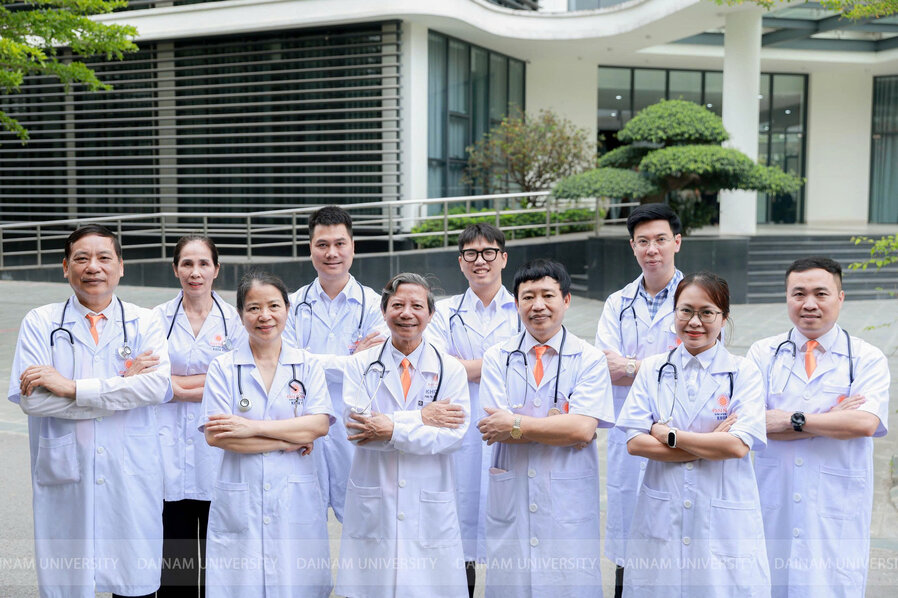
Associate Professor, Doctor of Medicine Hoang Duc Hanh - Head of the Faculty of Medicine at Dai Nam University, former Deputy Director of the Hanoi Department of Health - shared his frank and realistic perspective on the medical profession, from career opportunities and income to the stringent requirements that not everyone is ready to face.
More than just doctors: Career opportunities are much broader than many people think.
The General Practitioner training program at Dai Nam University is built upon the Ministry of Health's General Practitioner Competency Standards, comprising 4 areas, 20 standards, and 90 criteria. This provides a foundation that ensures graduates are qualified to take the professional certification exam and gradually join the healthcare system.
However, what many people don't realize is that the opportunities in the medical field extend far beyond hospitals.
After graduation, medical students can work in healthcare facilities from the grassroots to the central level, participate in teaching when continuing their postgraduate studies, work in research institutes, testing centers, or participate in healthcare management systems and healthcare organizations both domestically and internationally.
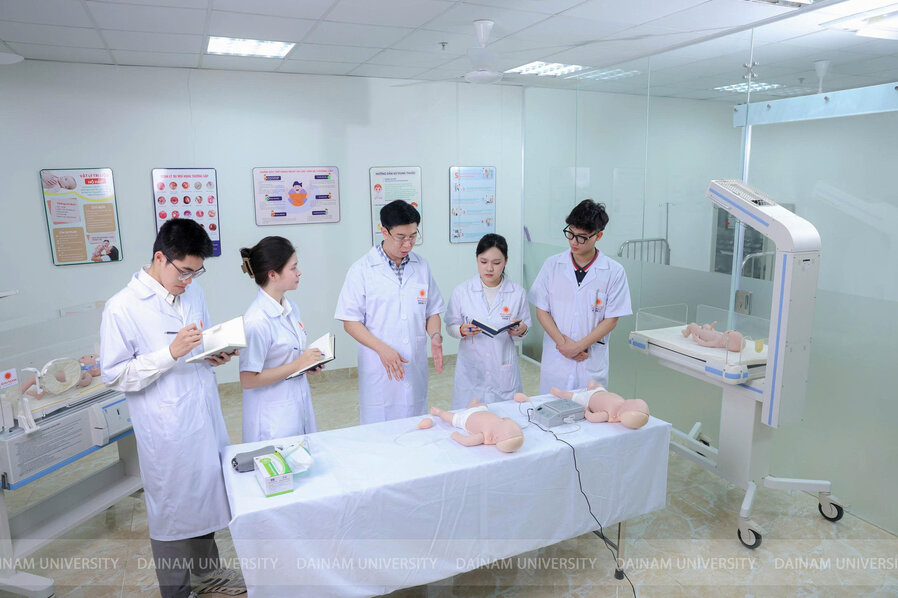
The important thing is not just what you can do with a medical degree, but what position you are competent to hold within the healthcare system.
Income: Not high right away, but increases based on actual performance.
Income is always a key consideration when choosing a field of study.
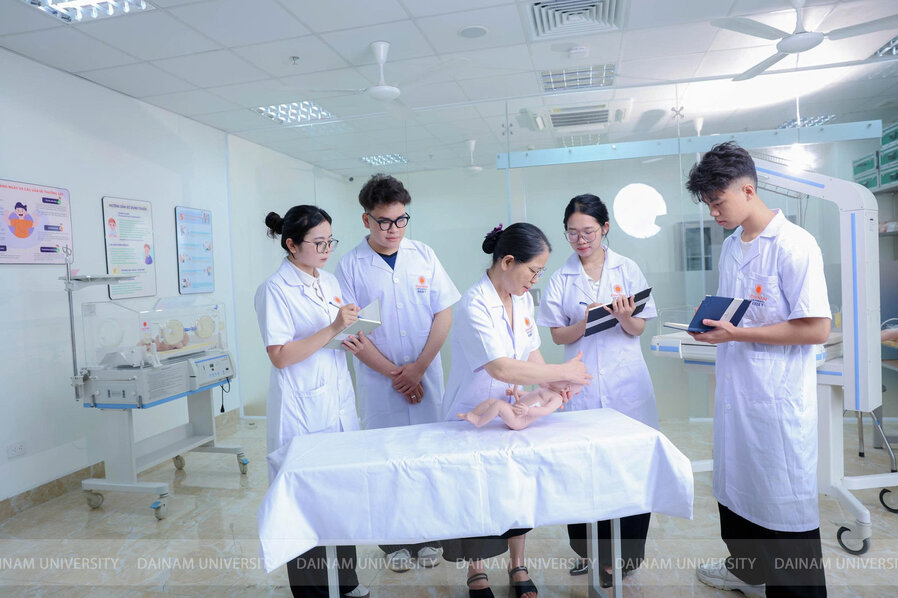
According to Associate Professor Dr. Hoang Duc Hanh, the starting salary for a general practitioner is usually over 10 million VND per month. After about 2 to 3 years of work, the income can increase to 15 to 20 million VND per month. With in-depth expertise, full professional licenses, and professional reputation, the income will continue to improve significantly.
In reality, doctors' incomes vary greatly depending on their work environment and individual capabilities. Many doctors can earn higher incomes when working at high-quality medical facilities or developing their expertise further.
However, one thing needs to be clearly understood: the medical profession is not a path to quick wealth. The greatest value of the profession lies in saving lives and contributing to society.
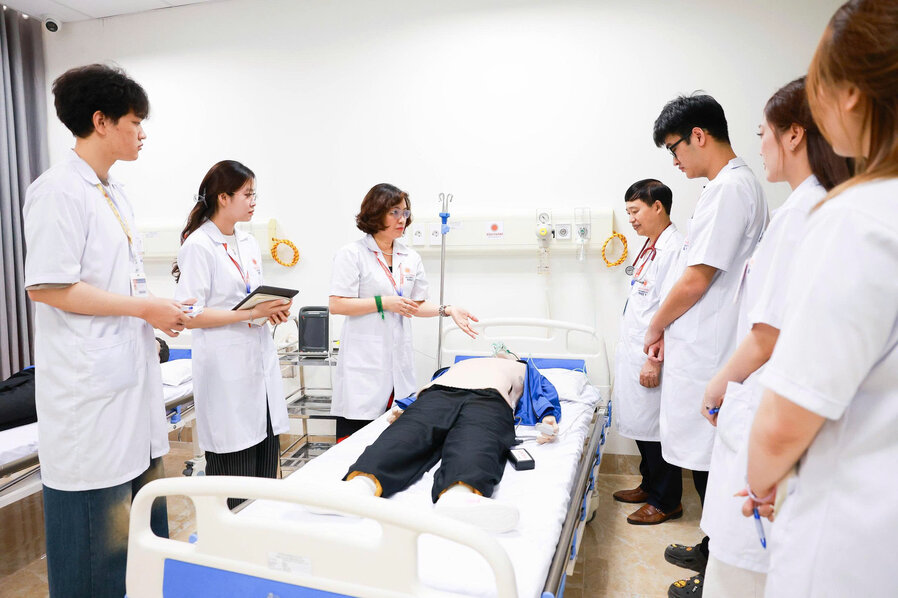
Career development path: A profession that requires lifelong learning.
Medicine is one of the few professions where learning doesn't stop after graduating from university.
To advance their careers, doctors need to continue their education through programs such as residency, specialist training, specialist level I, specialist level II, or pursue academic studies with Master's or Doctoral degrees.
Choosing a specialty such as Internal Medicine, Surgery, Obstetrics, Pediatrics, Neurology, or Oncology will determine your long-term career path.
Medicine is not the end of learning. It is the beginning of a lifelong learning journey.

Why should you study Medicine at Dai Nam University?
The medical training program at Dai Nam University is designed to link competency standards with practical professional experience, helping students adapt quickly to the work environment after graduation.
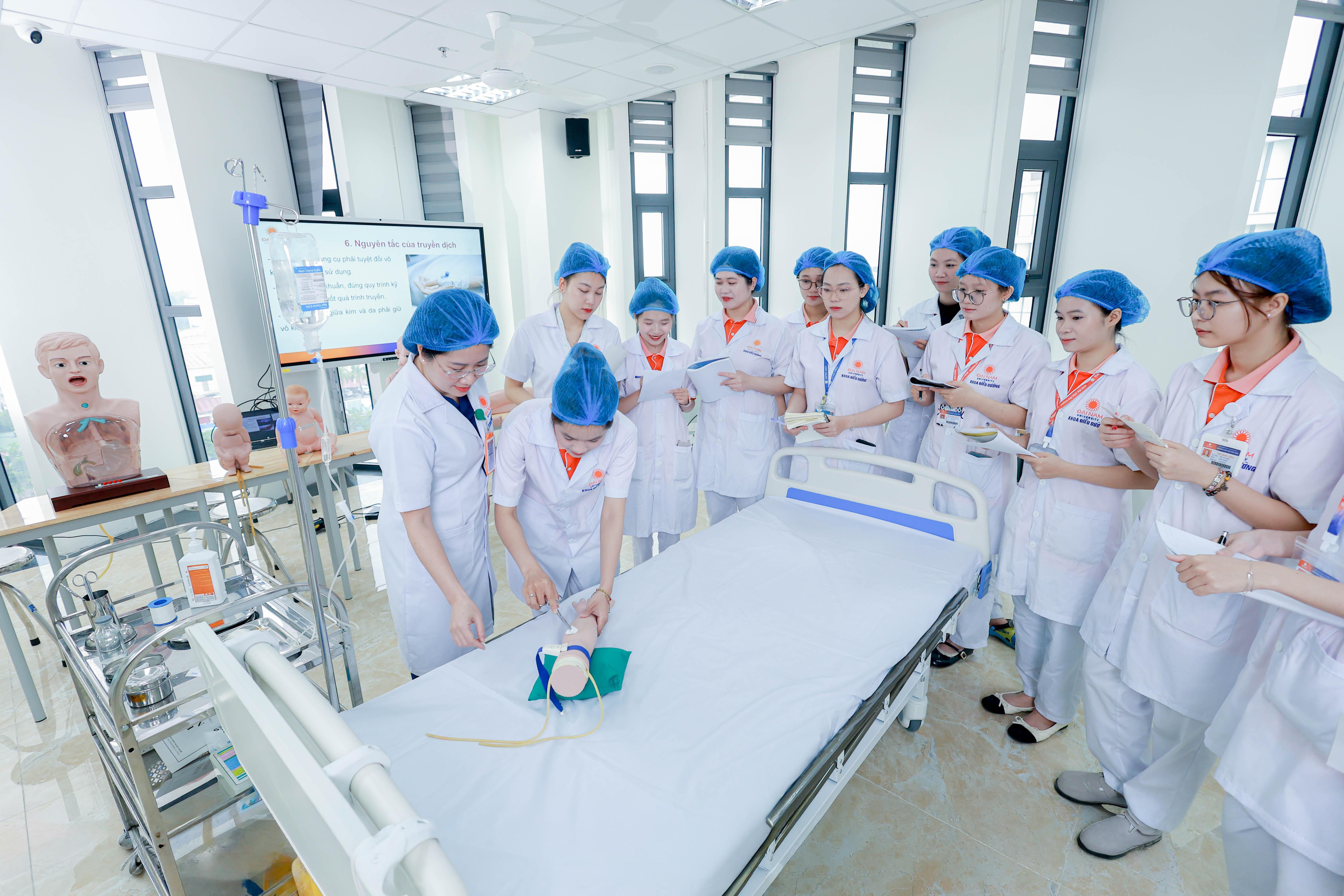
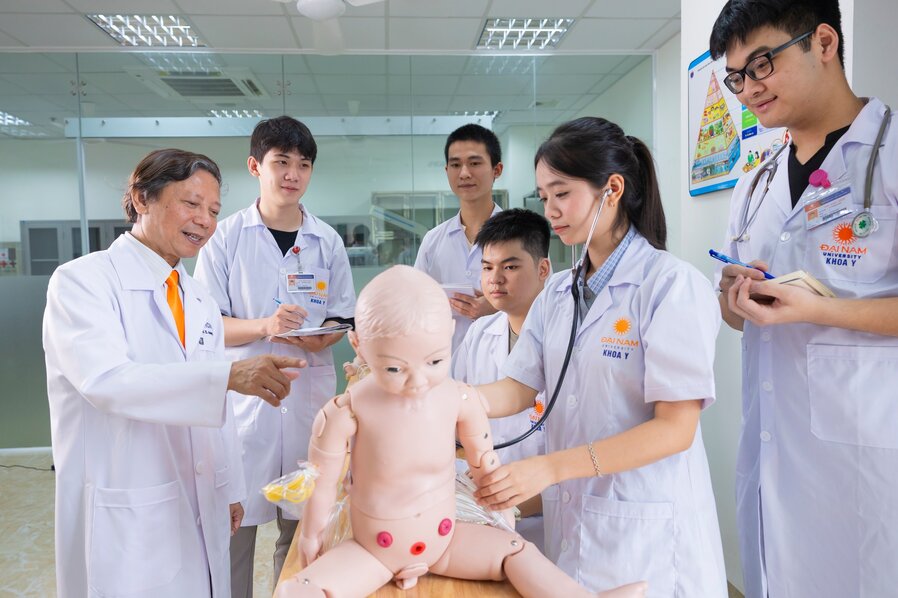
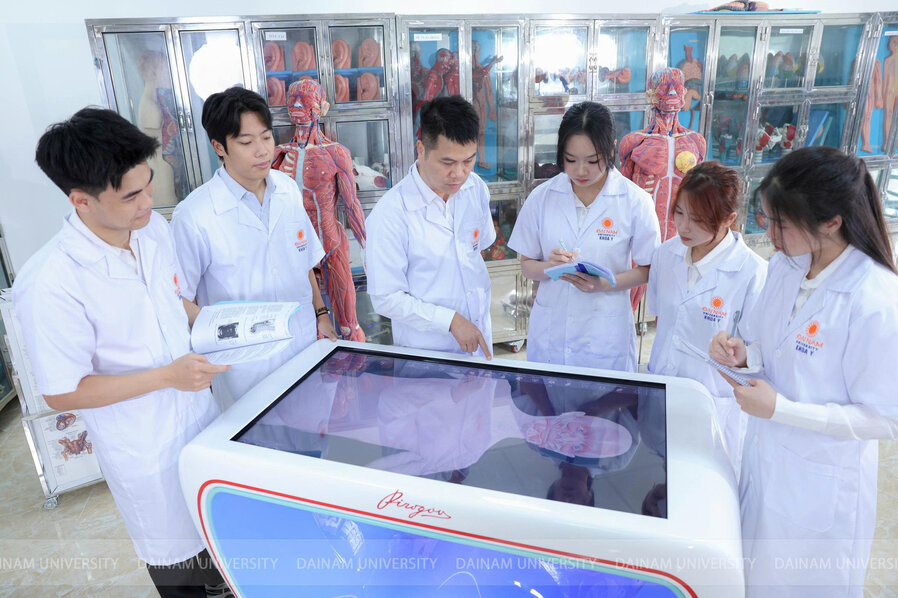
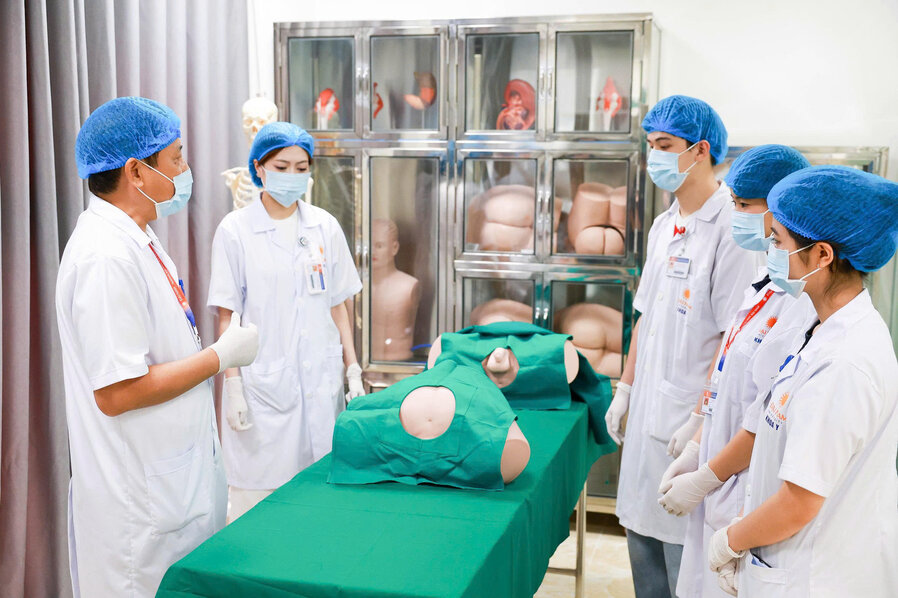
Students not only learn theory but also receive enhanced practical training, participate in clinical practice at hospitals, and have direct access to patients under the guidance of experienced doctors.

In particular, during internships, final-year students not only observe but also directly participate in taking patient histories, monitoring cases, and assisting doctors in the treatment process. The close 1:1 mentoring model between doctors and students ensures that every action and decision is linked to professional responsibility right from their time in school.
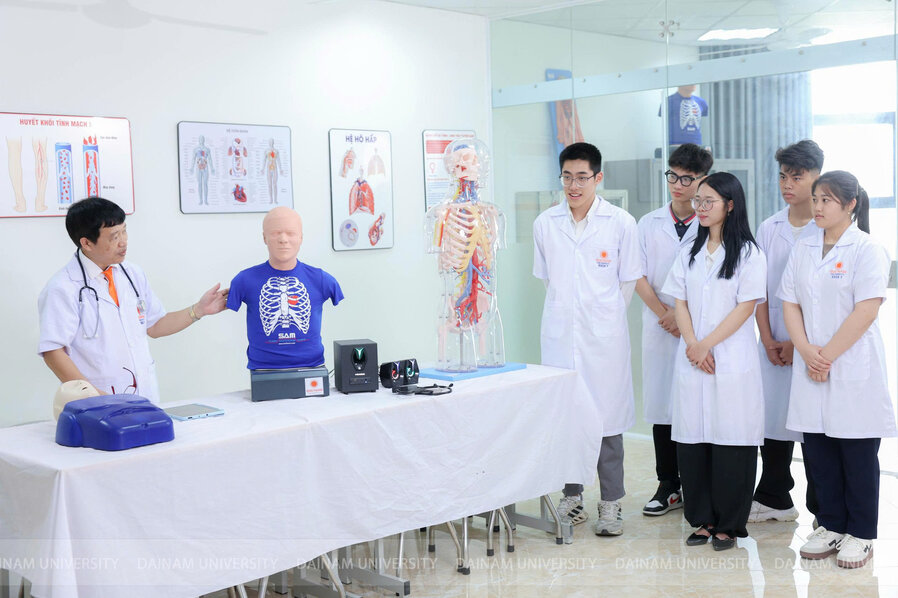
“Students are placed in a real-world work environment, thereby shortening the gap between learning and practice, and reducing the risk of ‘job shock’ after graduation. This is not just a training method, but also how Dai Nam University shapes students’ professional competencies from an early age…” Associate Professor Dr. Hoang Duc Hanh stated.
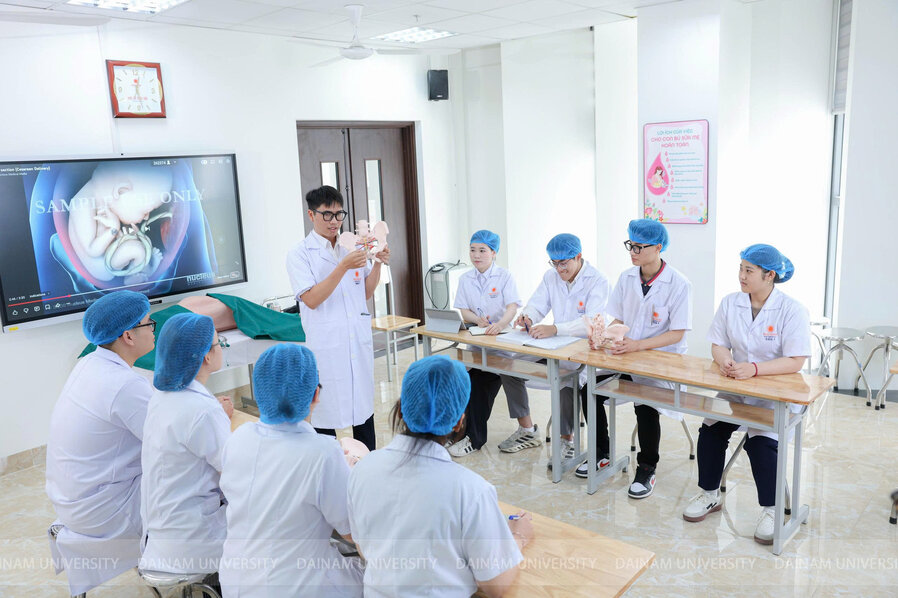
In addition to academic specialization, students are also encouraged to develop specialized foreign language skills, communication skills, presentation skills, and research thinking. The school builds a learning ecosystem with the support of academic advisors, enhances practical experience and internships, and provides scholarships and job placement assistance for students.
An option that's not for everyone.
In reality, medicine is not a career choice for everyone. It's a long, high-pressure field of study that demands a great deal of responsibility.
Associate Professor Hoang Duc Hanh advised: “Those choosing the medical field need to clearly understand: this is not just a profession, but a long-term commitment to human health and life. Medicine is not a quick path. But for those with sufficient courage, it is one of the few professions where every day of work is connected to the vital importance of human life. Choosing to study medicine is not just choosing a profession. It is choosing a responsibility – and a journey without end…”
>>> Learn more and apply for admission to the Medical program: Here.
BTT