English
 Tiếng Việt
The 2026 admissions policy has changed: What should 2008 graduates do to secure a university place?



The 2026 university admissions season is considered one of the most significantly adjusted in recent years. The Ministry of Education and Training's issuance of new admissions regulations under Circular 06/2026/TT-BGDĐT is not only a technical matter but also reflects a commitment to tightening entrance quality, increasing transparency, and ensuring fairness in university admissions. For the 2008 graduating class – candidates entering the admissions process amidst many new regulations – understanding these changes in admissions policy is crucial not only to avoid mistakes but also to building a strategy for securing a university place.

Key changes to university admissions in 2026
One of the biggest changes in the 2026 admissions season is the limitation on the number of applications. While in previous years candidates could apply an unlimited number of times, from 2026 onwards, they will only be allowed to apply for a maximum of 15 choices on the admissions system. According to admissions experts, this change aims to reduce the problem of "uncontrolled applications" and force candidates to have a clearer strategy for choosing majors and universities.
In addition, the new regulations also limit the number of admission methods for each school to a maximum of 5 methods (excluding direct admission). This regulation is considered to make the admissions system more transparent, while also preventing a school from using too many methods, making it difficult for candidates to keep track and easily getting lost in a "maze" of information.
Another notable new point is the regulation on the minimum score threshold for admission based on high school graduation exam results. According to the regulation, the total score of the three subjects in the admission combination must be at least 15 points out of 30 to be eligible for university admission.

In addition, the policy on priority points and bonus points has also been adjusted, with the maximum total bonus points not exceeding 3 points on a 30-point scale to ensure greater fairness among different groups of candidates.
These changes reflect the overall direction of the 2026 admissions policy: to improve the quality of incoming students, reduce the practice of "random" applications, and encourage candidates to have clearer application strategies.
Significant adjustments to the 2026 academic transcript-based admissions process.
The method of admission based on high school transcripts continues to be used by many universities; however, this method has also been adjusted to be more rigorous and transparent.
According to the Ministry of Education and Training's guidelines, the use of academic transcripts for admission must be based on the academic performance throughout the entire high school period, instead of focusing on just a few semesters as before. This aims to more fully reflect the academic abilities of candidates and limit the phenomenon of "sudden grade increases" in the final years of high school.
In addition, universities using the academic transcript-based admission method must clearly disclose the scoring method, admission combinations, and supplementary criteria to ensure transparency. Some universities also combine academic transcripts with other criteria such as interviews, essays, or extracurricular achievements to more comprehensively assess the candidate's abilities.
According to admissions experts, tightening the method of evaluating academic transcripts does not reduce the opportunities of candidates; on the contrary, it encourages students to maintain stable academic results throughout their three years of high school.
Associate Professor Dr. Dao Thi Thu Giang – Rector of Dai Nam University, stated: “In the context of the new admissions system, academic transcripts are no longer a ‘backup’ option but have become one of the important channels for admission. Students need to focus on investing in long-term academic results, instead of just concentrating on the graduation exam.”
Difficulties faced by 2008-born candidates

Changes to the 2026 admissions process will present applicants with several new challenges.
First, there is the pressure to choose more accurately when the number of options is limited. While previously candidates could register for dozens of options to "increase their chances," now the selection process must be much more carefully considered.
Secondly, there is increasing competition in sectors with high demand for manpower such as information technology, digital economy, media, logistics, and healthcare.
Thirdly, the diversity of admission methods means that candidates need to monitor more information, from high school graduation exam scores and academic transcripts to aptitude tests.
Solutions to ensure 2008 graduates secure a university spot.
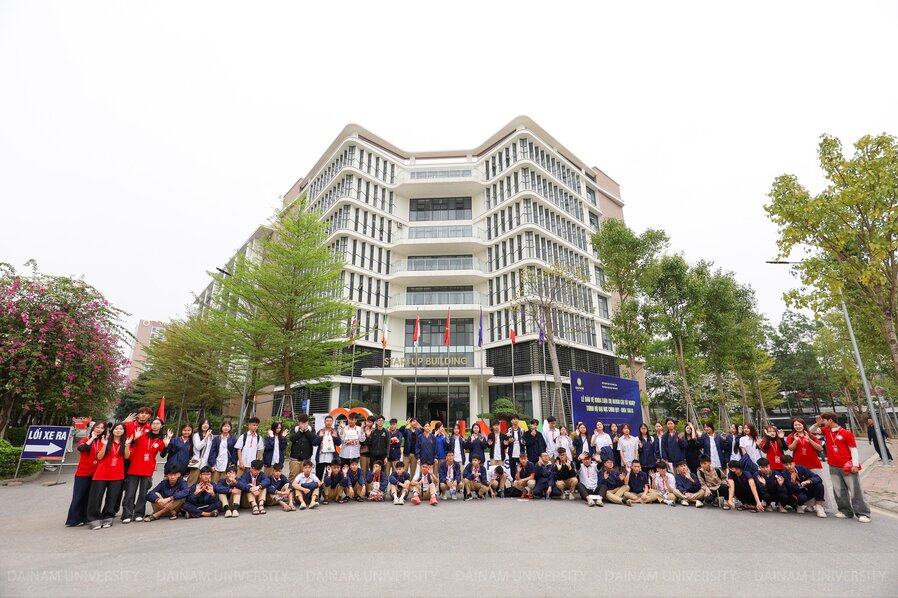
According to Associate Professor Dr. Dao Thi Thu Giang, to adapt to the changes in the 2026 admissions process, candidates need to develop an application strategy in three directions.
First and foremost, identify a field of study that aligns with your abilities and career trends, rather than chasing short-term "hot" majors.
Secondly, utilizing various admission methods, including high school transcripts, graduation exam scores, and combined methods, can all increase a candidate's chances of admission.
Thirdly, it's important to develop a strategy for registering your academic preferences, allocating resources appropriately among your favorite fields, suitable fields, and safe fields.

Training environment closely linked to professional practice.
In the context of a rapidly changing labor market, choosing an educational environment that aligns with practical needs is becoming a crucial factor for students and parents.
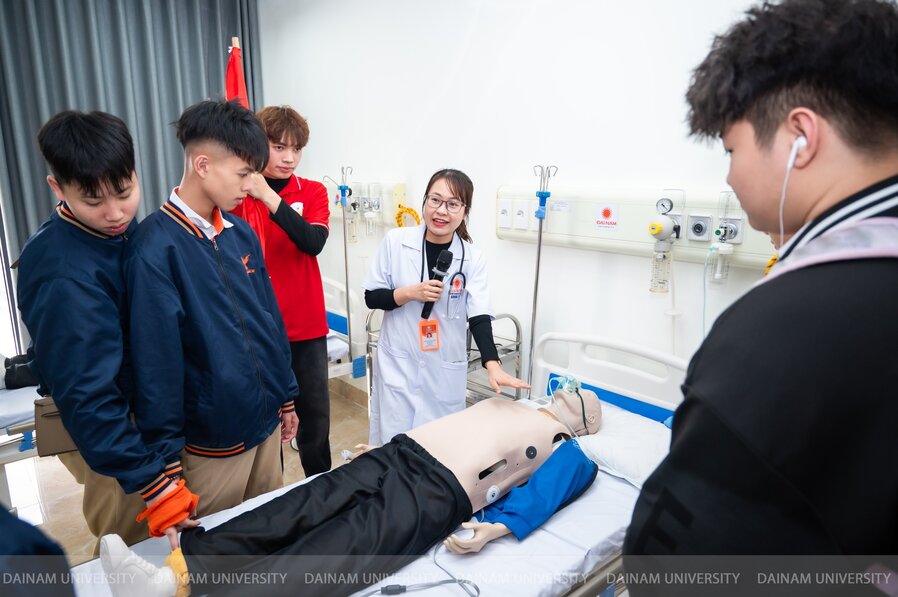
Dai Nam University (school code DDN) offers 37 majors in various fields such as health, economics and business, engineering and technology, social sciences and humanities and languages, fine arts and design. The training programs are designed to enhance practical skills, connect students with businesses, and equip them with professional skills from their time at university.
With its modern facilities, experienced faculty, and practical training orientation, Dai Nam University is becoming a popular choice for many students in recent years' admissions seasons.
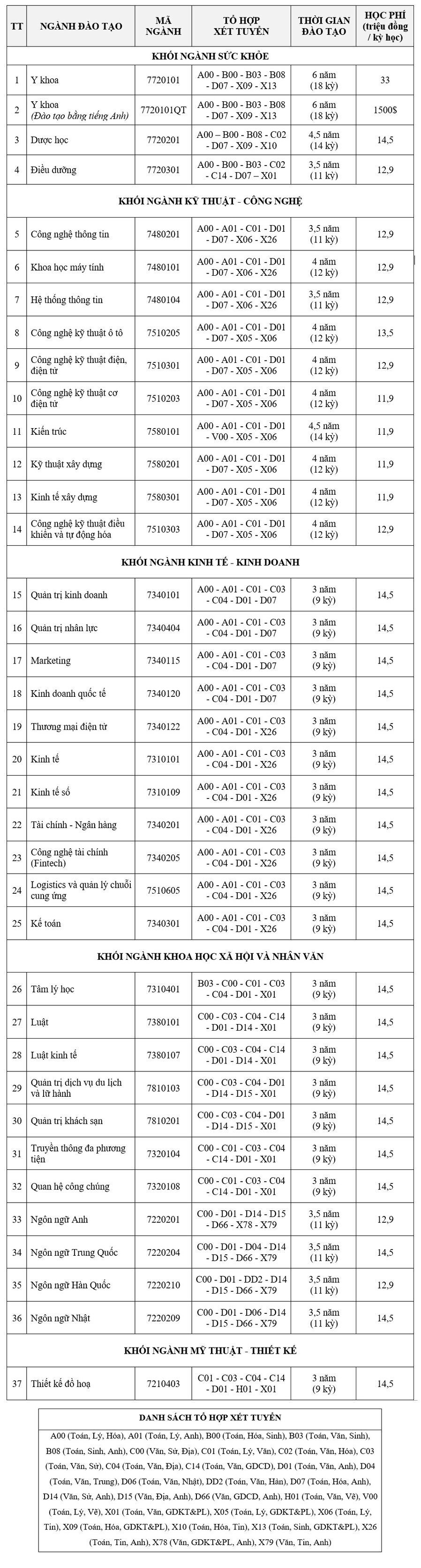
In the context of increasingly changing admissions policies aimed at improving quality and transparency, proactively seeking information, choosing suitable majors, and building a smart application strategy will be key to helping the 2008 generation confidently enter university and begin their career journey.
>>> LEARN ABOUT 37 KEY ACADEMIC PROGRAMS AND REGISTER FOR ADMISSION TO DAI NAM UNIVERSITY: HERE
BTT