English
 Tiếng Việt
Nearly 20 years of persistently teaching students "life skills" - The distinctive educational philosophy of Dai Nam University.



Not everything that determines a student's future is found in their specialized curriculum. There are lessons that stay with a person throughout their life: knowing how to get back up after failure, knowing how to thank their parents, knowing how to communicate, adapt, work with others, and having the resilience to persevere when life throws challenges their way. That's why, for nearly 20 years, Dai Nam University has chosen a different path: training students not only to be skilled professionals but also to possess the life skills necessary for long-term success.
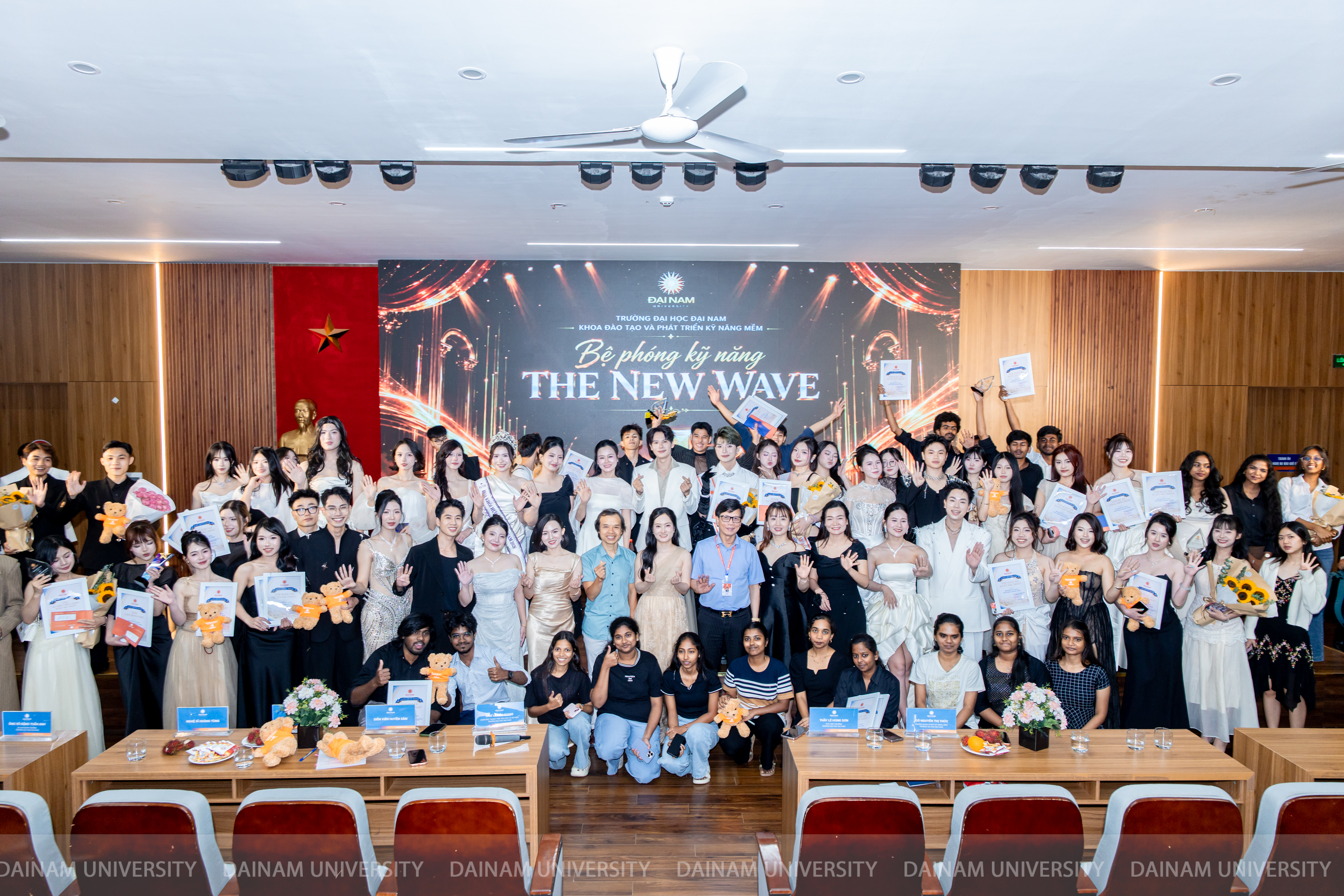
The 5th anniversary of the Faculty of Soft Skills Training and Development is not just the story of a training unit, but also the enduring journey of Dai Nam University in pursuing a humanistic educational philosophy: helping students not only obtain degrees, but also develop competencies; not only acquire knowledge, but also cultivate positive attitudes; not only be satisfied with their university life, but also be proud of having truly matured.
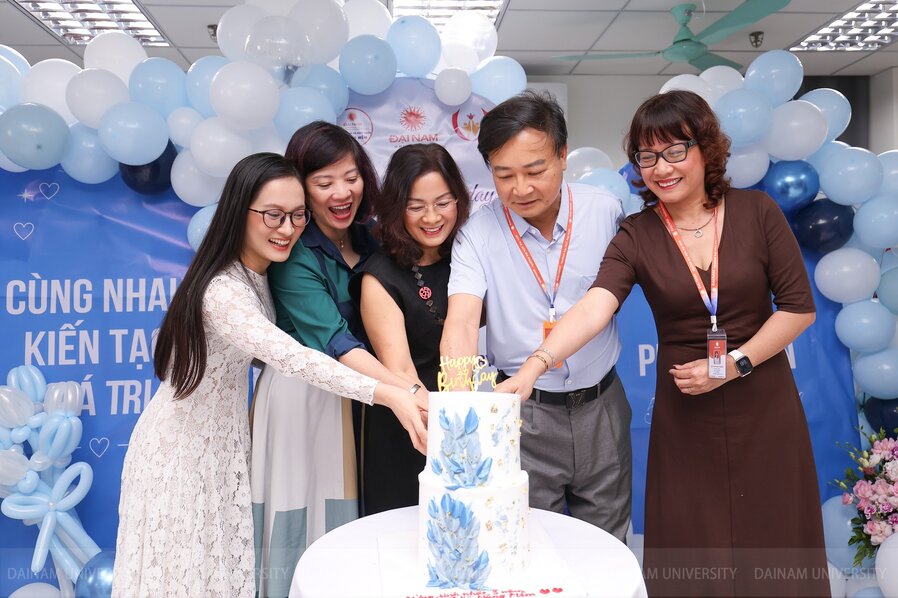
Life skills are not a "secondary subject," but a foundation for personal growth.
Many years ago, when soft skills were not yet valued in the university environment, Dai Nam University incorporated skills-based courses into its training program with a very clear belief: students who want to succeed cannot rely solely on specialized knowledge.
Children need to know how to communicate, cooperate, adapt, manage their emotions, and take responsibility for their choices. More importantly, they need to learn how to live kindly, love their families, face pressure, and overcome failure.
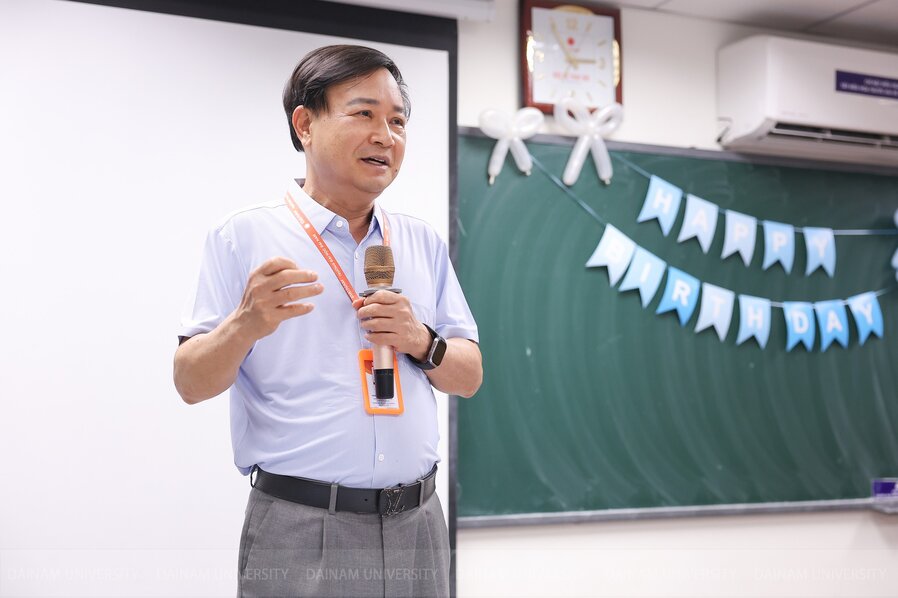
At the meeting celebrating the 5th anniversary of the Faculty of Soft Skills Training and Development, Dr. Le Dac Son recalled the early days of incorporating soft skills into teaching with the desire to help students not only have a profession but also develop life skills.
Representatives from the Faculty of Soft Skills Training and Development also shared that soft skills are not simply a course in the training program. They are the tools that help Dai Nam University students study more effectively, communicate more confidently, work more responsibly, adapt more flexibly, and have the confidence to enter life.
Because the most challenging aspect of education is not just imparting knowledge, but helping learners change their perceptions, recognize their self-worth, and grow stronger every day.

From the story of the eagle to the journey of growth for DNU students.
One of the most visually impactful messages shared in the program is the story of the eagle – a bird often seen as a symbol of strength, courage, and the aspiration to soar.
Eagles are not born knowing how to fly. To be able to spread their wings in the vast sky, eaglets must go through a rigorous training process. When they reach adulthood, the mother eagle doesn't keep her offspring forever in the comfortable nest. She makes the nest less comfortable, forcing the eaglet to step out of its safe zone. Then, little by little, the eaglet is put to the test, trained to balance, spread its wings, and fly using its own strength.
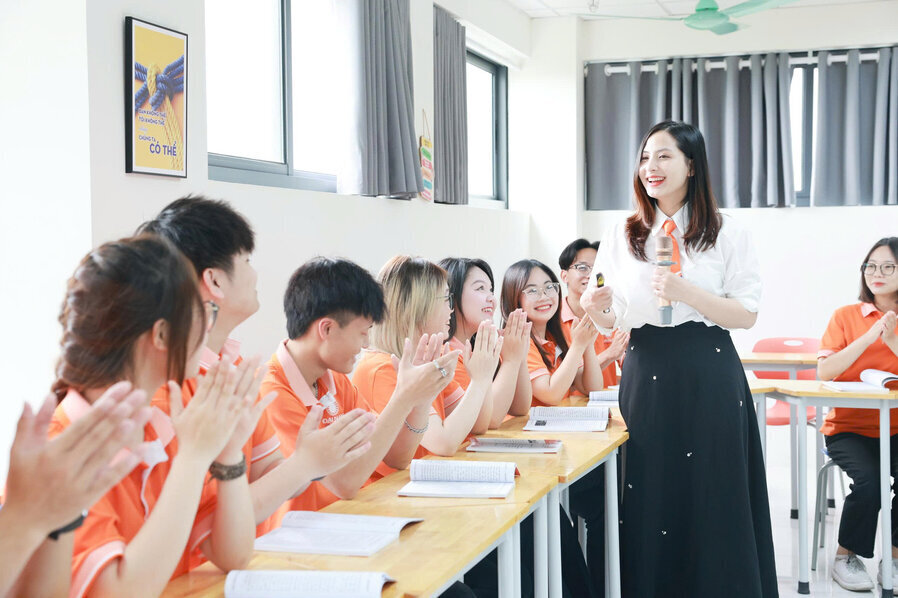
It is precisely those moments of being tossed about by the wind, those seemingly insurmountable moments, that help young eagles discover their wings. An eagle doesn't become a leader because it's overly protected. It becomes a leader because it's trained to be strong enough to withstand strong winds.
However, there's another story worth pondering: an eagle egg fell into a chicken coop. The eaglet grew up among the chickens, living like a chicken and believing it could only live like one. It saw the sky but didn't dare fly, because no one else around it flew. The most regrettable thing wasn't that it lacked wings, but that it didn't realize it was born to belong in the sky.
The same applies to higher education. If you create an overly safe environment, students may be satisfied but not necessarily mature. However, if you don't help students recognize their own value, potential, and wings, they may never know how far they can go.
That is also what the Faculty of Soft Skills Training and Development persistently pursues: not to let students just study to pass courses, but to learn to understand themselves better, become more capable, more competent, and more confident in their own future.
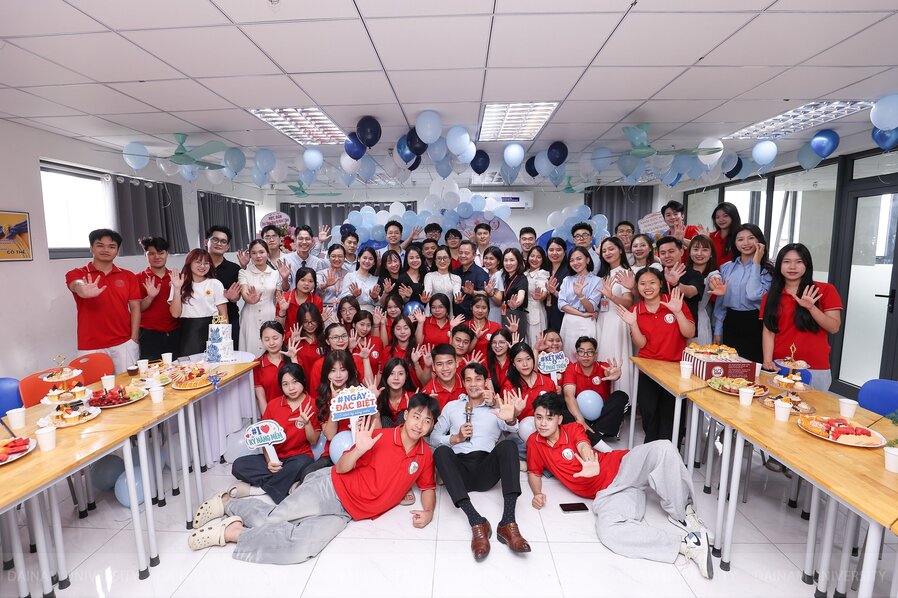
These "special exams" measure not just scores, but also maturity.
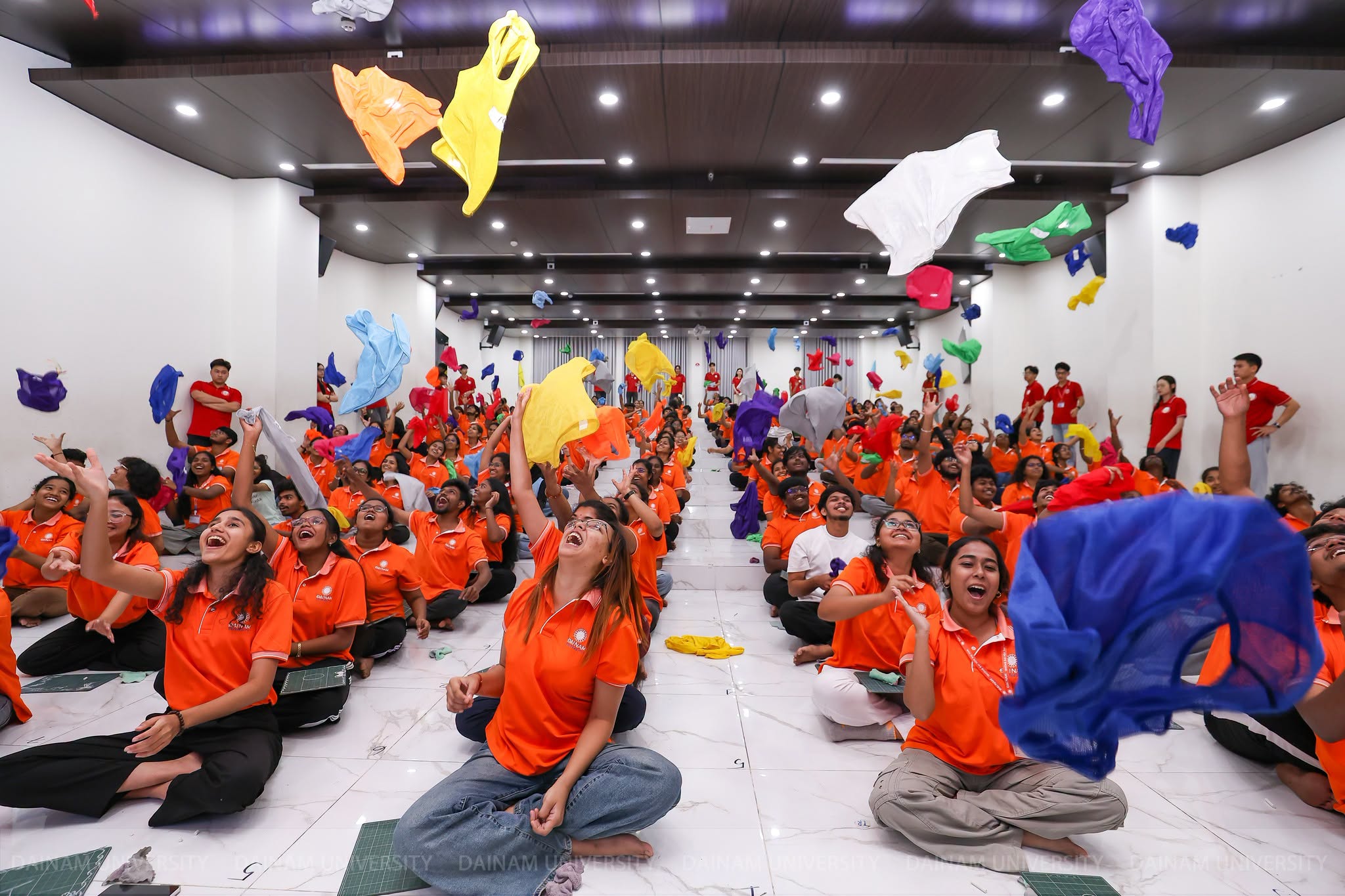
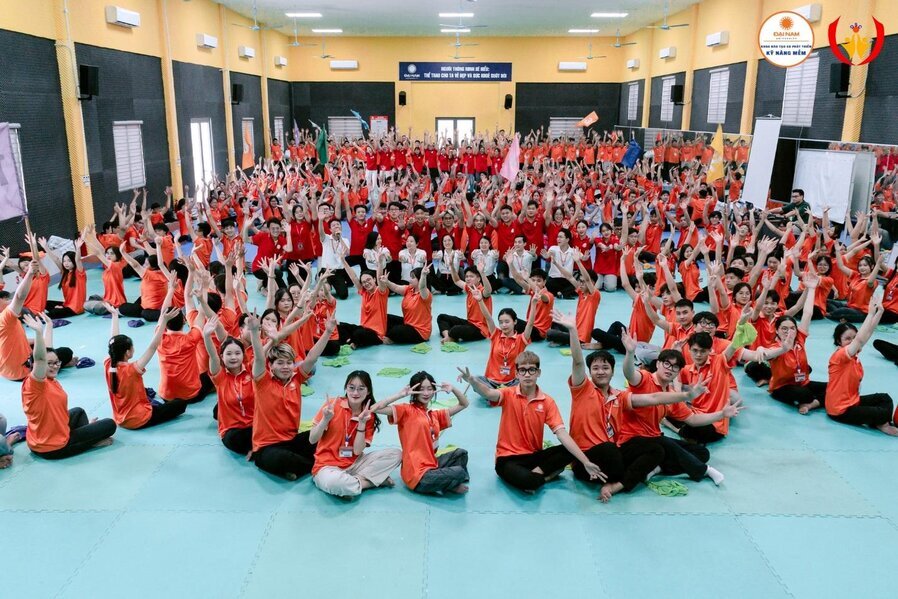
At Dai Nam University, many skills training sessions go beyond just presentations or teamwork. In particular, during the Soft Skills Training Camp – a special end-of-semester exam – many students experienced moments very different from a typical exam.
There were activities that left students speechless as they thought about their families. Letters were written immediately after the experiences to express apologies and gratitude to their parents. Some students who were once shy and hesitant to communicate gradually became more confident after group challenges, presentations, debates, and public speaking activities.
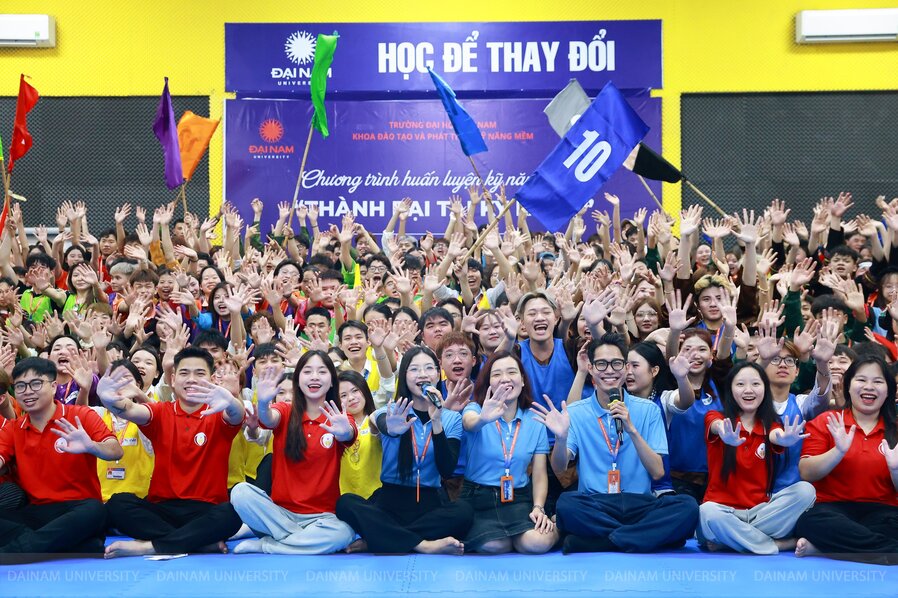
There, the exam doesn't just measure scores. It also measures students' maturity, ability to overcome personal limitations, teamwork spirit, and attitude towards life.
Those changes don't show up in the transcript.
It's about maturity in thinking, behavior, and perspective on life. It's about students learning to be more responsible for themselves, caring for others, and strong enough to move forward after setbacks.
For many lecturers in the Faculty of Soft Skills Training and Development, that is the most special "achievement" of an educator.
Training innovation: OBE, flipped classroom, and real-world experience.
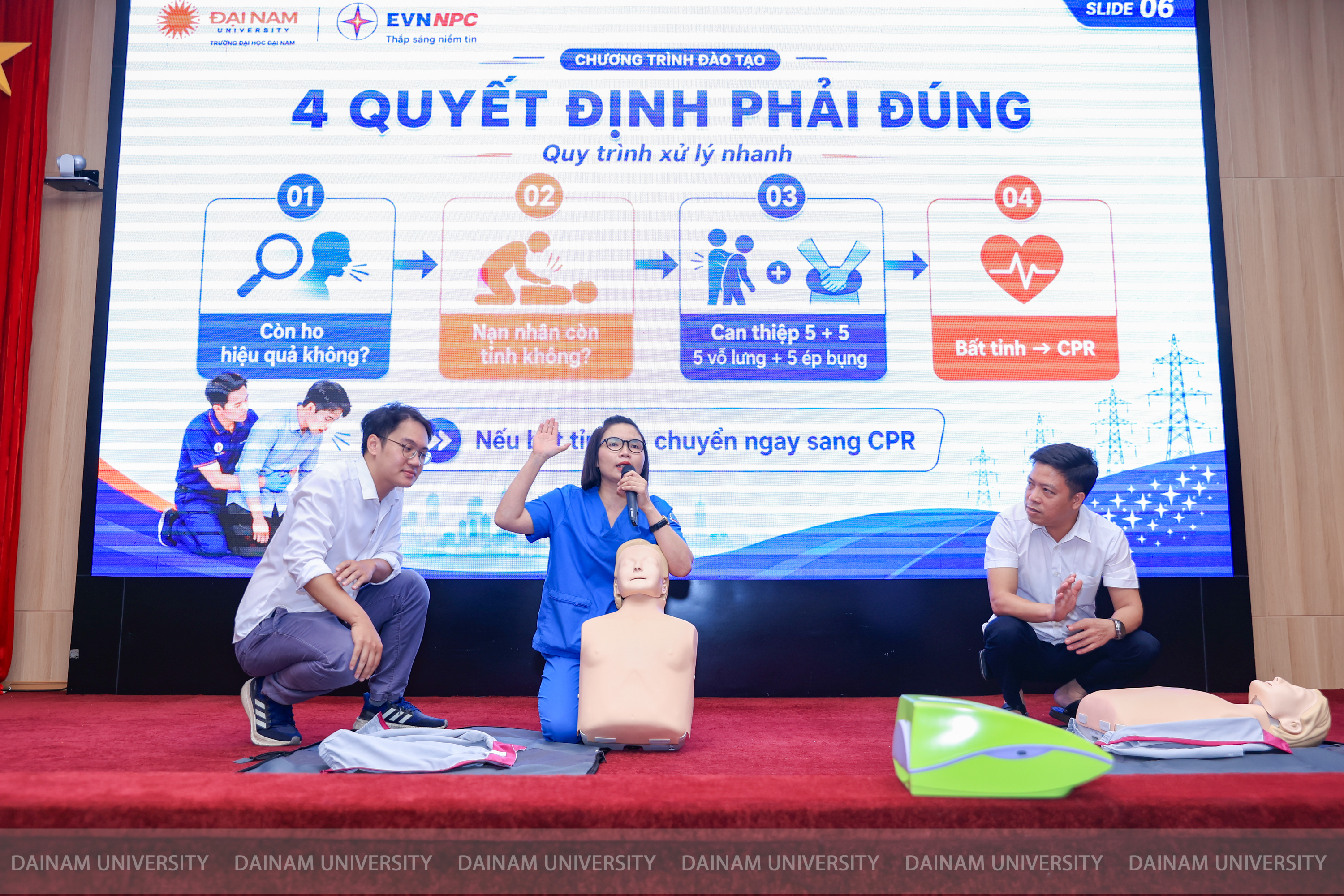
Over the years, the Faculty of Soft Skills Training and Development has gradually reformed its training activities according to the OBE (Output-Based Education) orientation – education that focuses on outcomes and places the learner's actual competencies at the center.
The question the Faculty always asks is not just, "What do students learn?", but more importantly, "After this course, what will students be able to do? Where will they grow? What additional skills will they acquire to move forward in their studies, careers, and lives?"
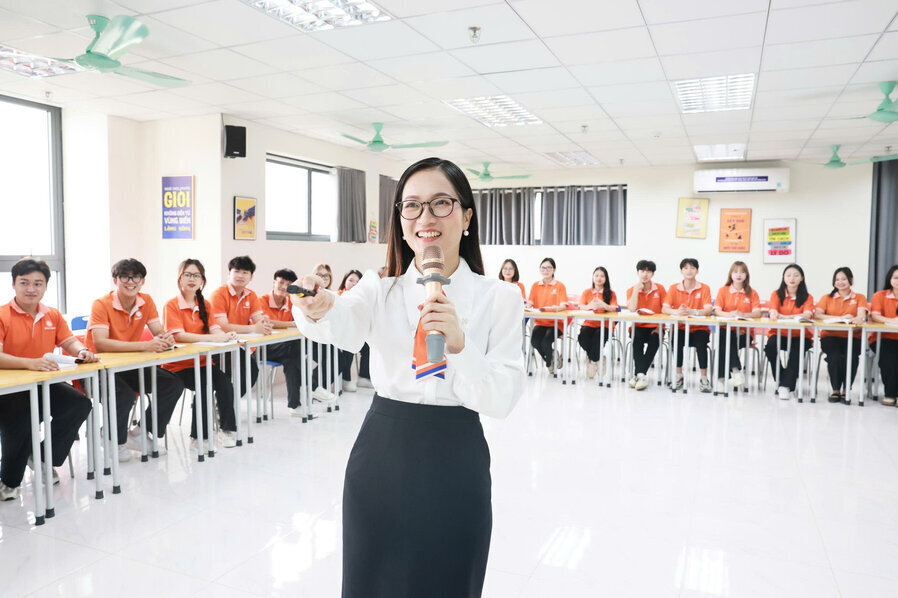
Based on that orientation, the Faculty is promoting the implementation of flipped classrooms, enhancing experiential activities, group projects, presentations, debates, and practical exercises. Students are no longer passive recipients, but become active creators of their own learning journey.
The children are challenged, given opportunities to experience things for real, to make mistakes, to correct them, and to grow.
A happy student isn't one who experiences less pressure, but rather one who feels they are making progress, that they are capable, and that they are not alone on their journey to maturity.
We must teach students to have a profession to build a career, but also to have the skills to live happily.
From the first lessons to practical experience activities; from communication skills, critical thinking, adaptability to a spirit of overcoming difficulties, the Faculty of Soft Skills Training and Development has contributed to creating better versions of thousands of Dai Nam University students: more confident, more capable, and ready to enter life.
That philosophy is also what Dai Nam University has consistently pursued throughout nearly two decades of development: education is not only for training workers, but also for creating individuals with character, who know how to live decently, have the ability to adapt, and have the aspiration to contribute.
A happy university isn't just a place that provides pleasant feelings. It's a place where students are respected, encouraged, connected, challenged, and uplifted to become better versions of themselves.
Congratulations to the Faculty of Soft Skills Training and Development, Dai Nam University, on its 5th anniversary. A degree can open up career opportunities, but life skills are what truly sustain a person throughout their life. And just as an eagle needs a vast sky to realize it was born to fly, students need an educational environment that is humane, challenging, and trusting enough to discover their own worth.