English
 Tiếng Việt
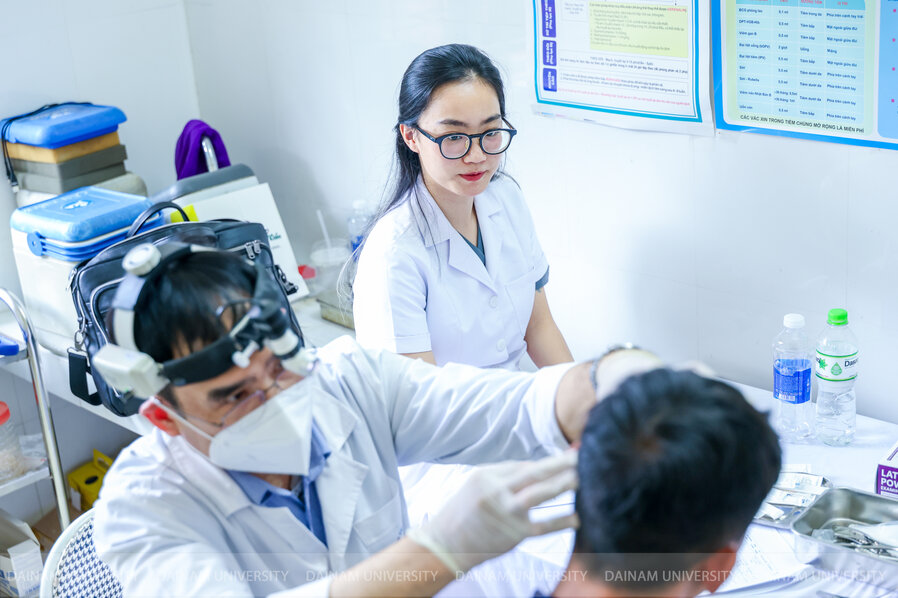
Future doctors learn more than just how to cure diseases.



A good doctor can save one patient. But to protect the health of millions, the medical field needs doctors who understand preventive medicine, public health, and the ability to respond to new health challenges. That's why medical students today not only learn how to treat diseases but also how to prevent disease at the community level.
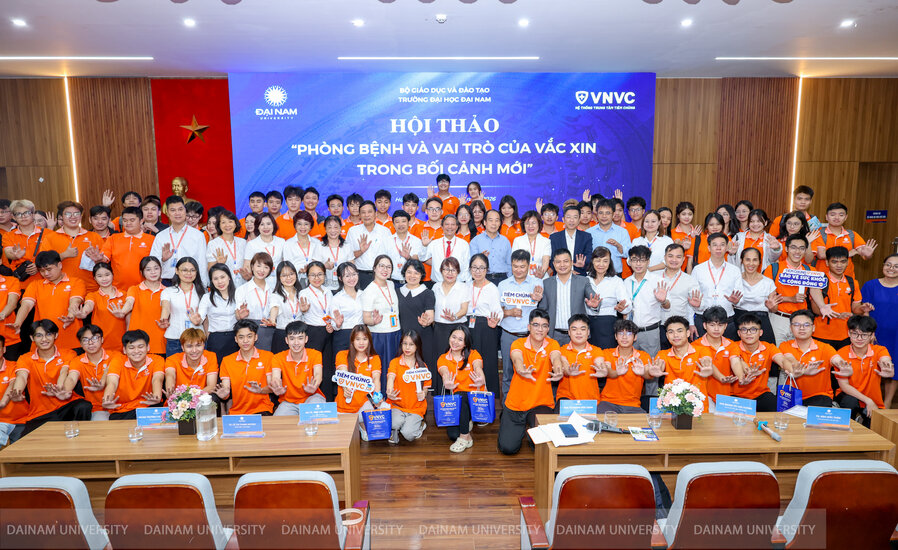
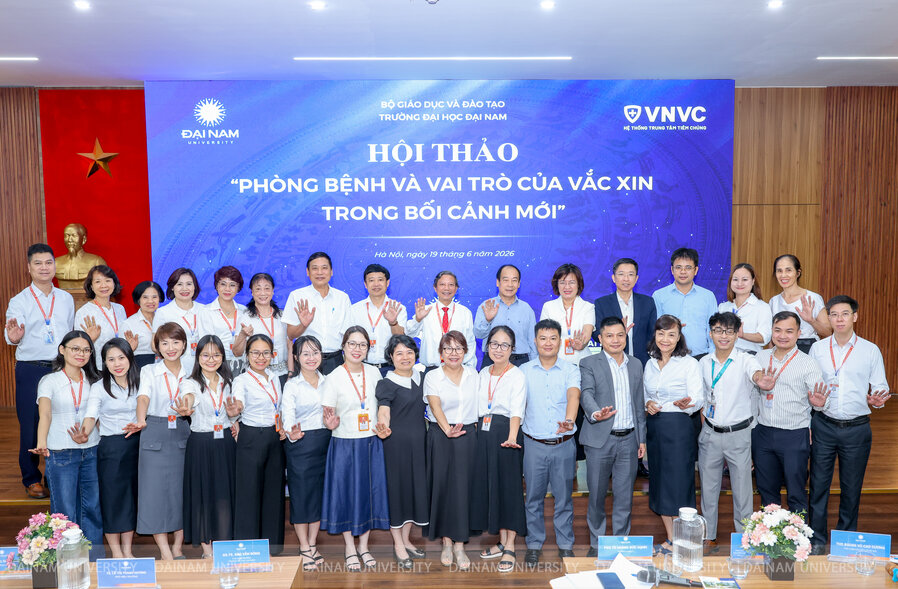
To help students update their knowledge of new public health issues and raise awareness of preventive medicine in protecting public health, the Faculty of Medicine, Dai Nam University, in collaboration with VNVC Vaccination Center, organized the scientific seminar "Disease Prevention and the Role of Vaccines in the New Context" .
The program featured the participation of many leading experts in the fields of preventive medicine, epidemiology, and immunization, such as: Assoc. Prof. Dr. Tran Dac Phu - former Director of the Department of Preventive Medicine (Ministry of Health), senior advisor to the VNVC Immunization Center; Assoc. Prof. Dr. Pham Quang Thai - Head of the Northern Expanded Immunization Program Office, Central Institute of Hygiene and Epidemiology; representatives from the Hanoi CDC, and many experienced experts in the field of public health.
When doctors not only treat illnesses but also protect public health.
In recent years, the world has continuously faced emerging diseases, the risk of infectious disease outbreaks, and many unprecedented public health challenges.
The COVID-19 pandemic has shown that disease response, vaccination, and public health protection are just as important as treatment. This reality has led to the increasing recognition of the role of preventive medicine in modern healthcare systems.
Many experts believe that the future of medicine lies not only in hospitals or clinics but also in preventive activities, health management, and disease risk control starting at the community level.
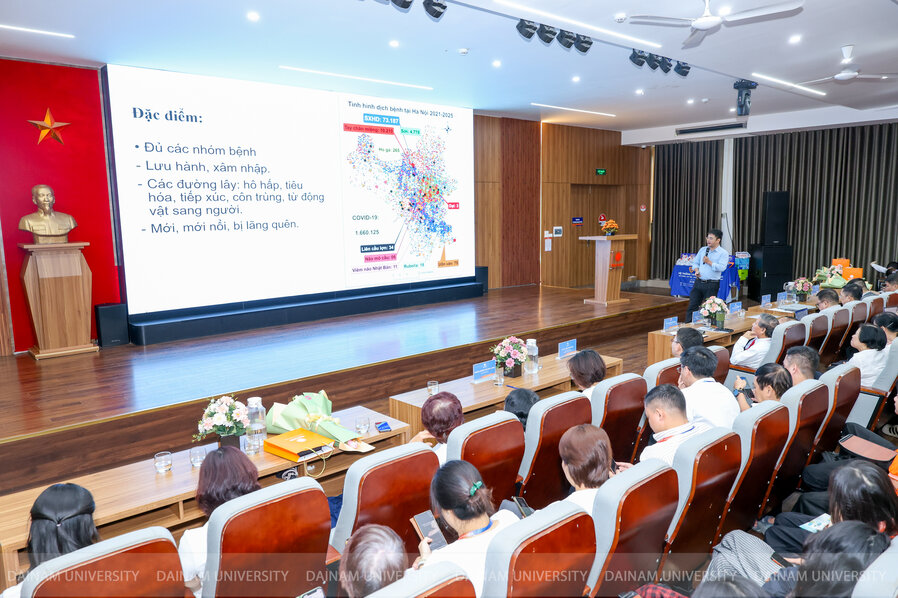
This also places new demands on physicians. In addition to diagnostic and treatment skills, future doctors need to have a preventative mindset, the ability to identify health risks, understand epidemiological issues, and be ready to participate in protecting public health.
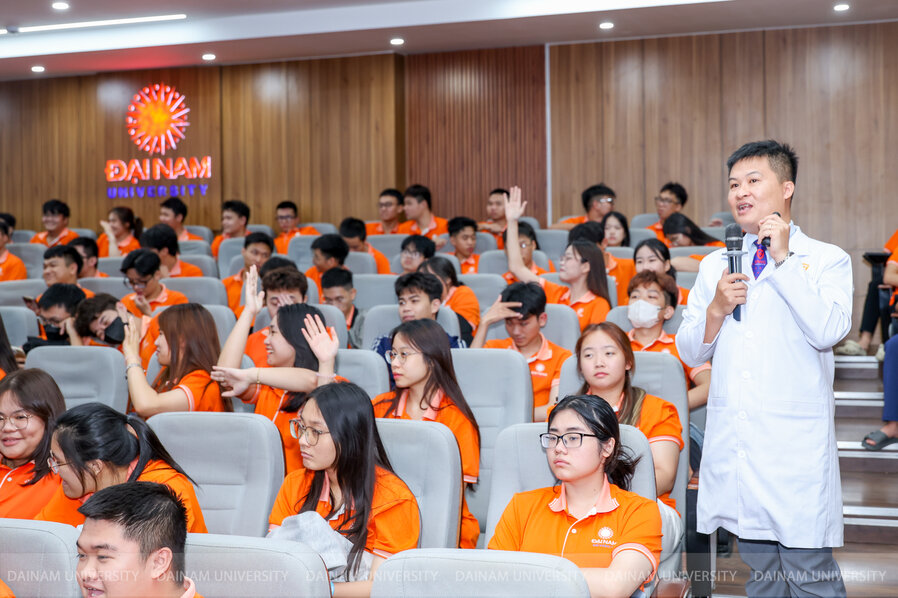
At the workshop, students from Dai Nam University gained access to up-to-date knowledge on epidemiological situations, immunization strategies, community immunity, and the role of vaccines in disease control. More importantly, they were introduced to health issues from a community perspective – a skill increasingly necessary for doctors in the 21st century.
Stay updated with the knowledge of those on the front lines of the fight against the pandemic.
The program's uniqueness lies not only in its specialized content but also in the opportunity to learn and exchange ideas directly with experts involved in research, policy planning, and the implementation of disease prevention and control activities in Vietnam.
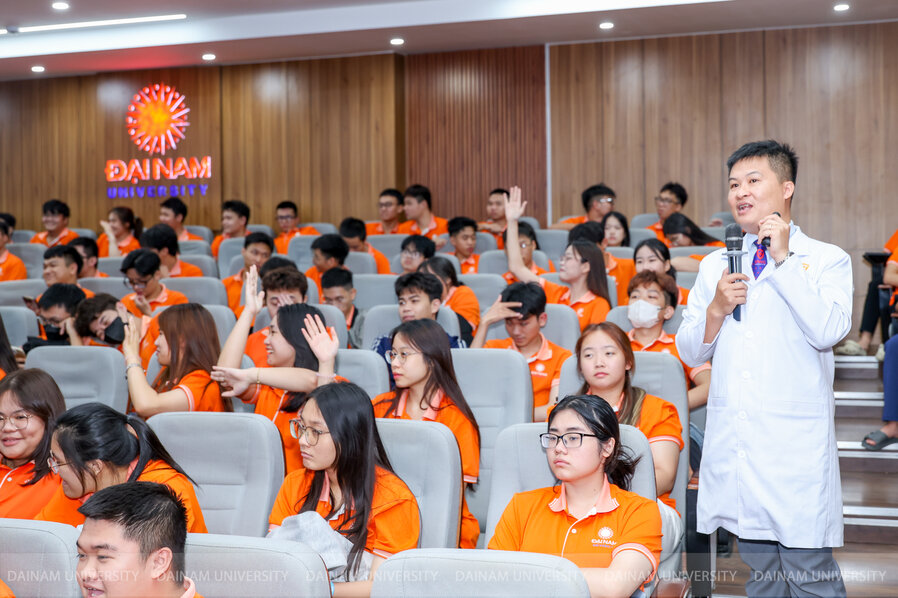
The opportunity for medical students to listen to experts who have been involved in developing national health policies, directing epidemic prevention and control efforts, and implementing the Expanded Immunization Program provides a unique learning experience that is not always available in a university environment.
Practical stories, lessons learned from major outbreaks, and in-depth perspectives on the healthcare system help students better understand the connection between classroom knowledge and professional practice. Through these exchange sessions, students not only gain a deeper understanding of disease prevention but also a more profound awareness of the social responsibility of healthcare professionals, the role of health communication, and the importance of building a strong preventive healthcare system.
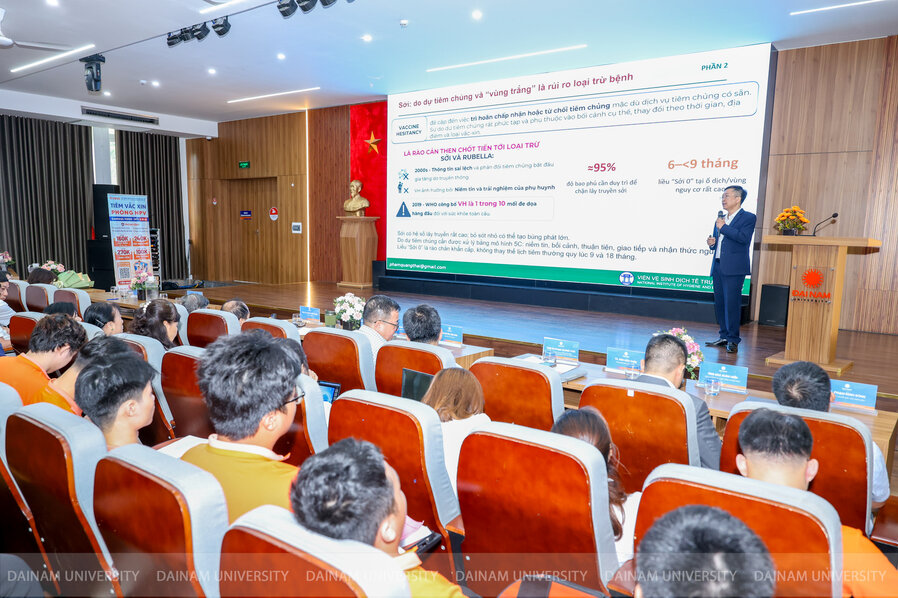
For faculty members, the workshop also provided an important opportunity to update themselves on new trends in preventive medicine, epidemiology, and immunization; and to access practical experiences from experts directly involved in managing, researching, and implementing large-scale public health programs.
Academic exchanges at the conference contribute to enriching lecturers' teaching content, updating practical evidence in lectures, improving training quality, and strengthening the connection between training activities, scientific research, and the practical needs of the healthcare sector.
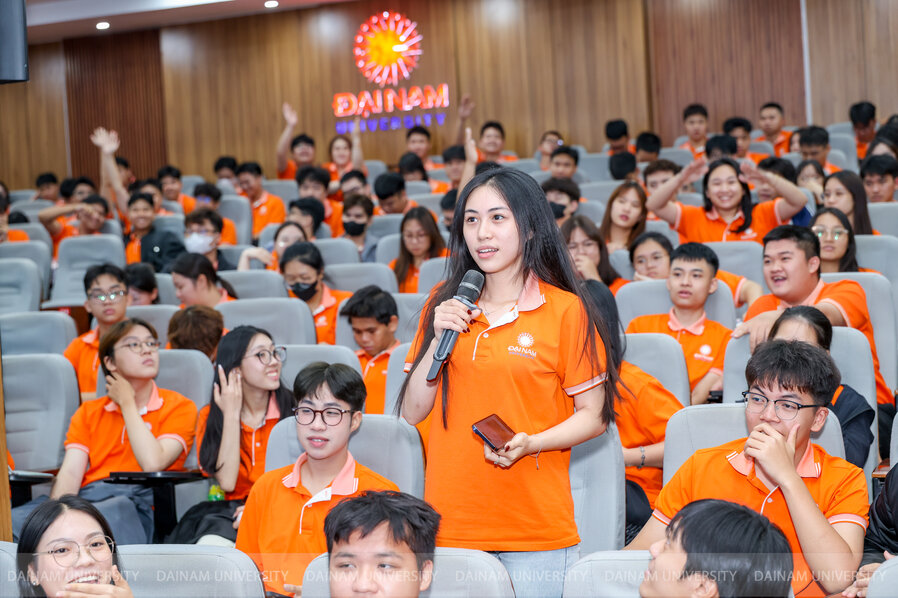
This is also an opportunity for lecturers to expand their academic networks, promote professional cooperation, and share experiences and solutions to improve the effectiveness of training high-quality medical personnel in the context of the medical industry facing many new opportunities and challenges.
Medical training should be aligned with the practical needs of society.
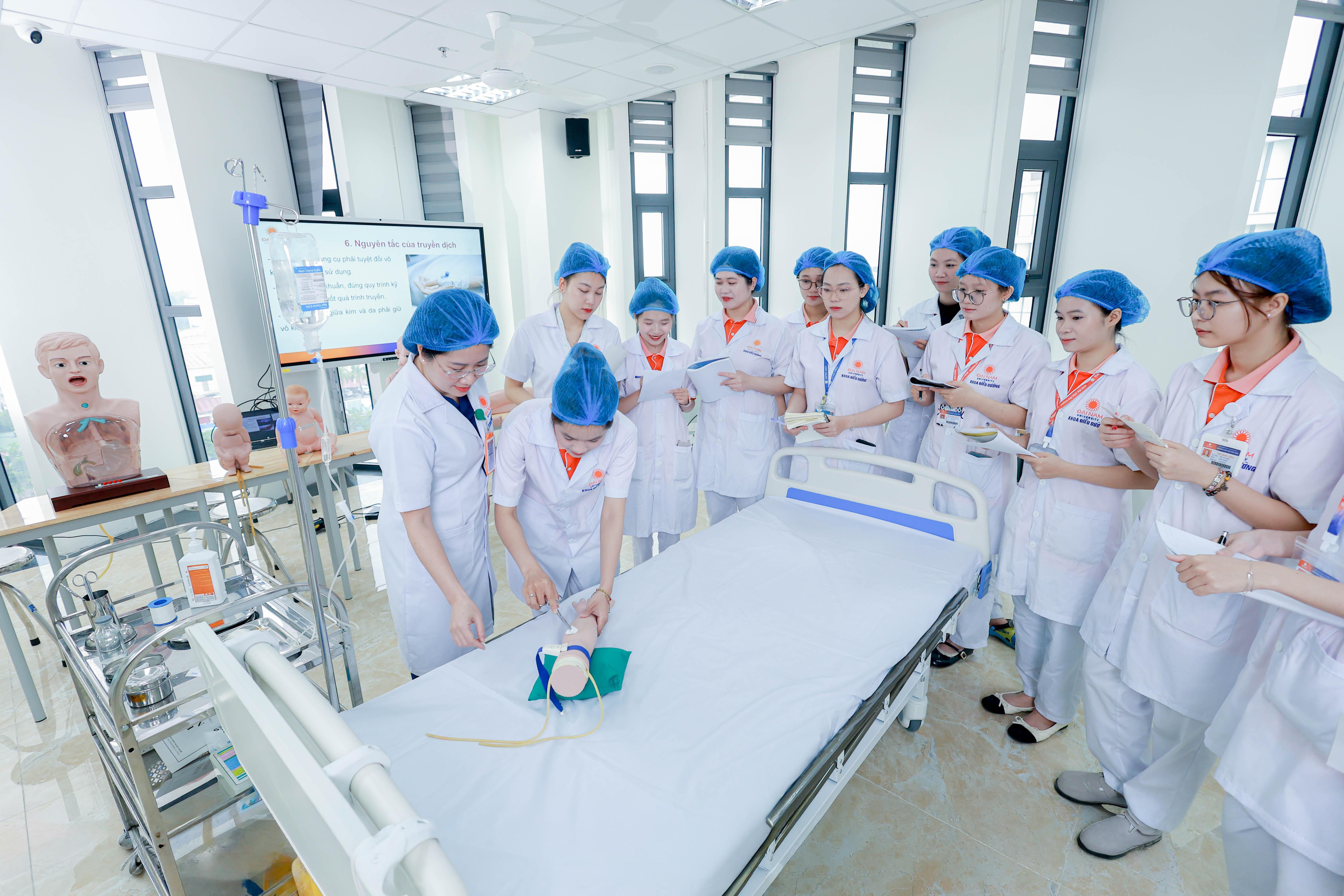
According to Associate Professor Hoang Duc Hanh, Head of the Faculty of Medicine at Dai Nam University, the university's training goals extend beyond simply equipping students with specialized knowledge; they also aim to foster a comprehensive professional mindset in the context of modern medicine undergoing numerous changes.
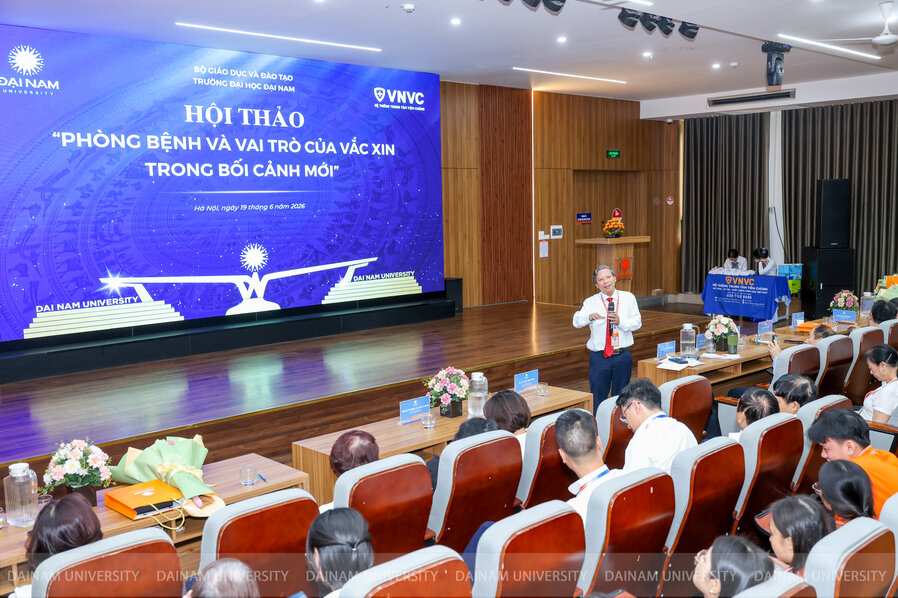
"The current trend in medical training no longer separates treatment and prevention. Doctors need to be equipped with the capacity to approach health comprehensively, from diagnosis and treatment to disease prevention, health promotion, and community protection. Therefore, preventive medicine is integrated into the training process to help students better understand the connection between individual health and community health, between medical examination and treatment and disease prevention and health management activities," Associate Professor Dr. Hoang Duc Hanh shared.
According to him, regularly organizing professional seminars with the participation of leading experts is one of the important solutions to help students update their knowledge, access relevant medical issues in practice, and broaden their professional thinking while still in university.
Through academic activities such as seminars on preventive medicine, immunization, and public health, students not only gain specialized knowledge but also gradually develop comprehensive professional skills – an increasingly important requirement for doctors in the 21st century.
The physician of the 21st century
In the development strategy of the Faculty of Medicine, Dai Nam University, training doctors is not only about training people to treat illnesses, but also about training people who can contribute to solving society's health problems.
Therefore, in addition to clinical knowledge, students are encouraged to explore areas such as preventive medicine, public health, scientific research, health education, and health communication to build comprehensive professional competence.
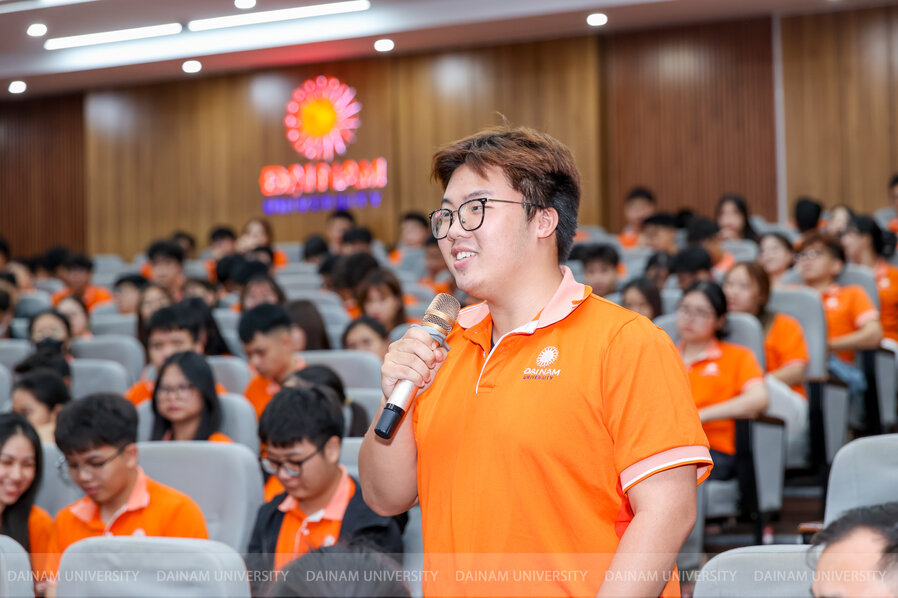
In the context of global pandemics, an aging population, and increasingly complex public health challenges, society needs doctors who are not only skilled in treatment but also capable of predicting risks, advising on disease prevention, and participating in protecting public health.
That is also the direction that the Faculty of Medicine, Dai Nam University, persistently pursues: training doctors with solid professional competence, modern medical thinking, and profound social responsibility. Because the doctor of the 21st century not only treats diseases after they have occurred, but also contributes to preventing diseases from occurring in the first place.
BTT