English
 Tiếng Việt
From the playground to real-world capabilities: How do DNU students discover their strengths?



A university graduate needs more than just specialized knowledge. True competence is formed from knowledge, skills, and attitude. Knowledge is primarily acquired through specialized studies, while skills and attitude need to be honed through practice, experience, and real-world challenges.
From that perspective, Dai Nam University (DNU) recognizes that clubs, academic, cultural, artistic, sports, and community activities are not simply extracurricular activities, but an integral part of the learning environment. Through these experiences, students get to do, try, interact, learn to cooperate, take responsibility, overcome their limitations, and gradually develop the necessary skills for work and life.
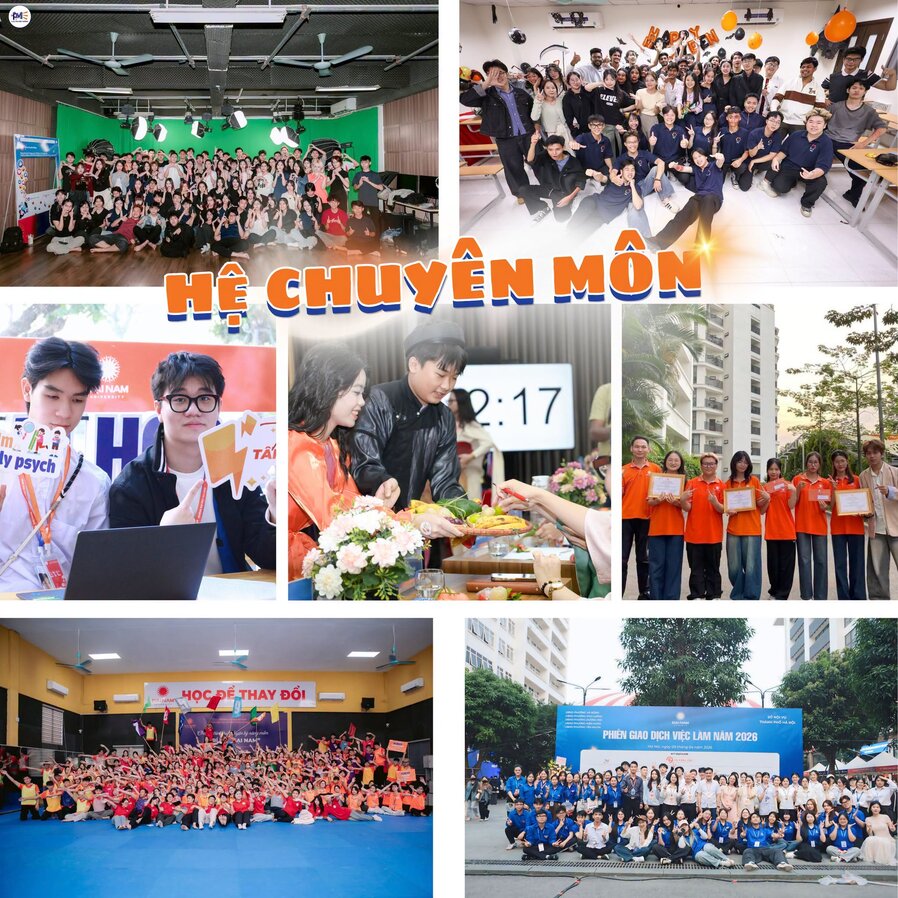
Learn knowledge in the classroom, hone skills and attitudes through experience.
A stage is not just for performing, a tournament is not just for competing, and a club is not just for having fun or meeting like-minded people. Behind every activity is a process where students brainstorm, plan, assign tasks, communicate, cooperate, handle situations, and take responsibility for their part.
Knowledge can be taught, but many skills and attitudes are only truly formed when learners are placed in situations where they can act, interact, and take responsibility for themselves. Therefore, DNU advocates creating diverse experiential environments so that students can choose according to their interests, abilities, and career aspirations.
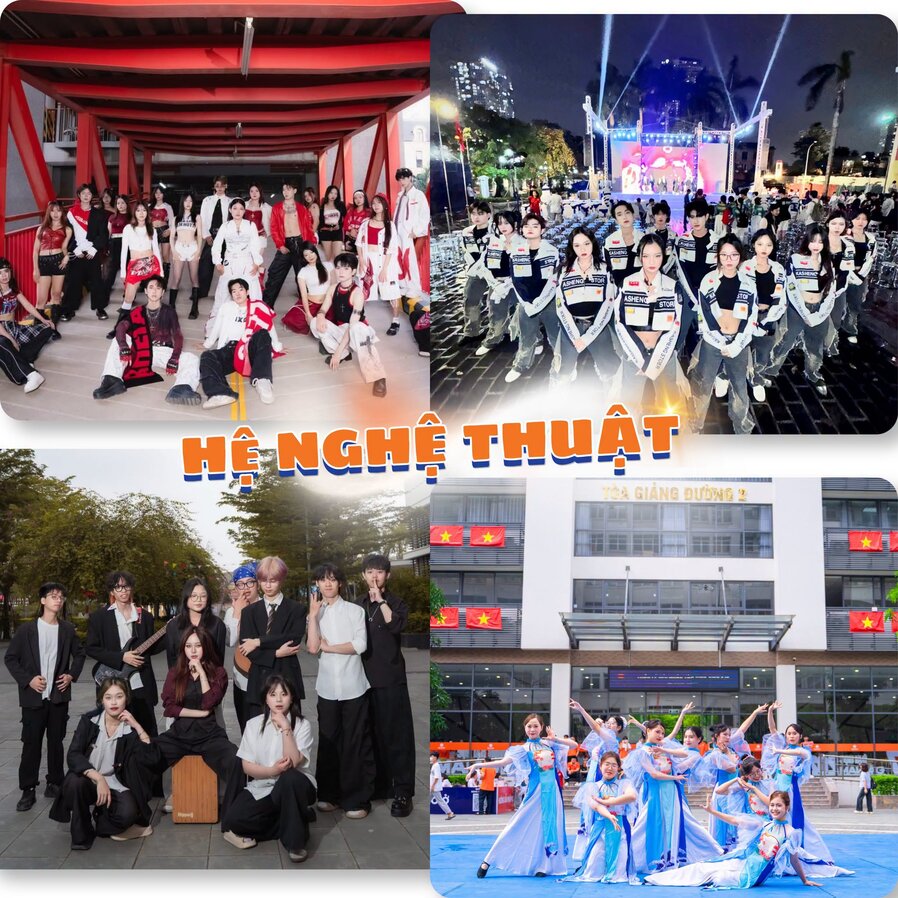
Nearly 30 academic clubs, over 30 extracurricular clubs, and hundreds of cultural, artistic, sports, and community activities create additional learning spaces alongside the lecture halls. Those who love research have an academic environment; those interested in business can try their hand at projects; those with artistic talent have a stage; sports enthusiasts have tournaments; and those wishing to contribute to the community have volunteer programs.
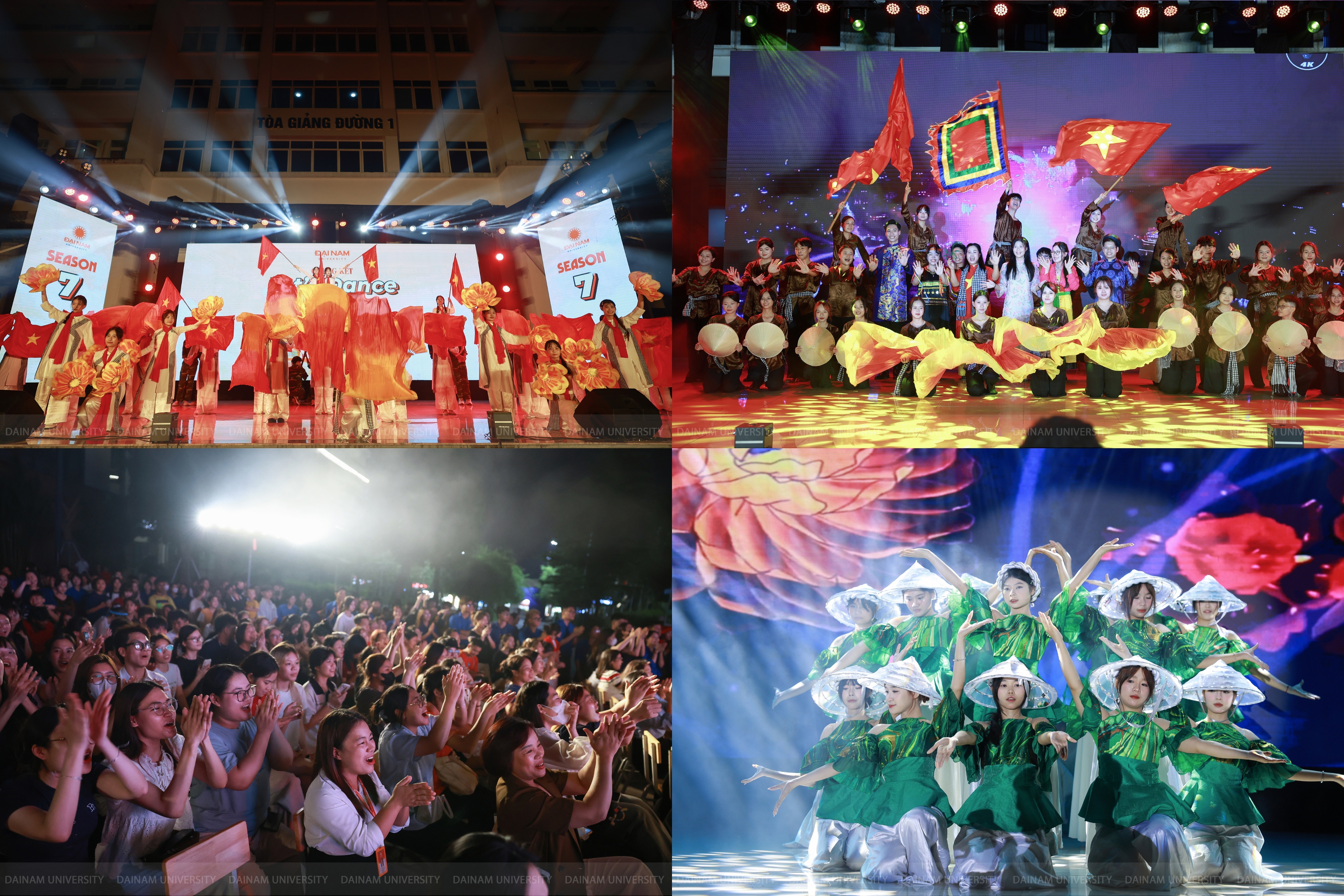
Programs such as the Freshman Welcome Concert, Let's Dance, Eco Fashion Show, men's and women's football tournaments, and community activities therefore not only create a vibrant student life, but more importantly, they provide environments for students to learn through experience and grow through experience.
According to Ms. Cao Thi Hoa, Vice President of the Board of Directors of Dai Nam University: “Education is not just about imparting knowledge. The school must create enough opportunities for students to work, to test themselves, and to gain experience. There are skills that students only develop when they start working. There are qualities that are only honed through experience. And there are strengths that can only be awakened through experience.”
From a "game" to real skills
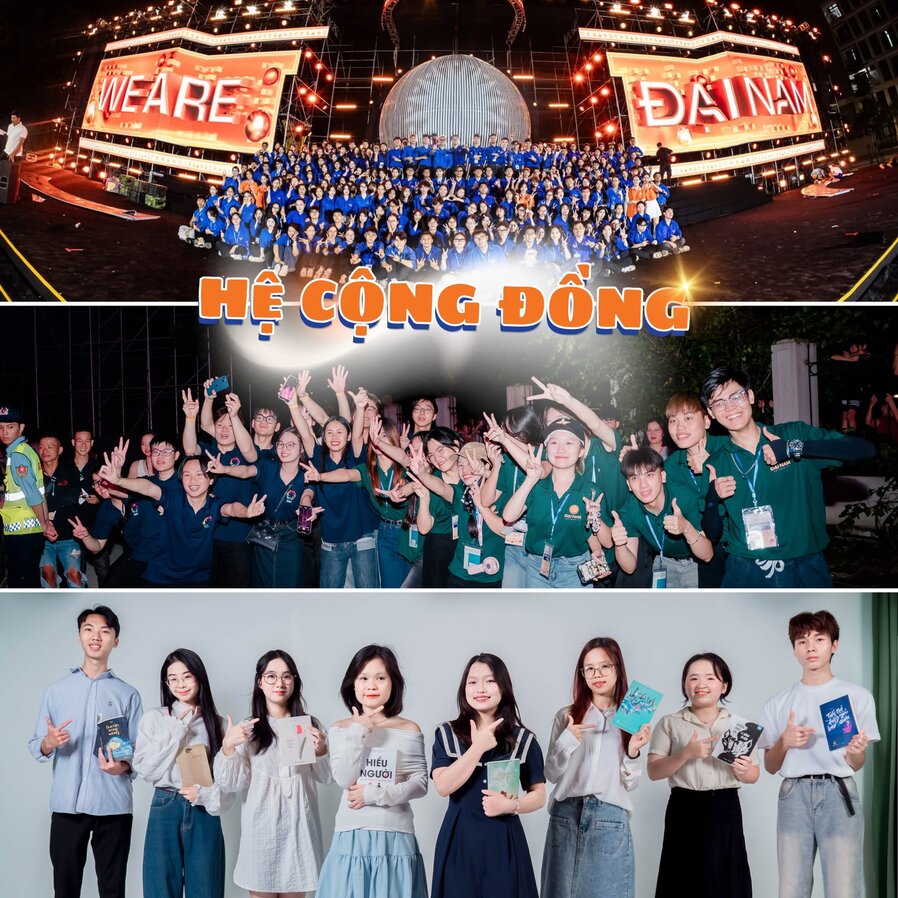
The value of a student activity doesn't lie in how big the program is, how many people attend, or how spectacular the stage is, but in what students gain from each experience. When organizing a program, students learn planning, delegation, and coordination. When working in a club, they learn to communicate with people of different personalities and viewpoints. When participating in a competition, they learn preparation, perseverance, and how to face both success and failure. When standing on stage, many students overcome shyness to confidently express themselves; when working on a project, they must be creative, problem-solving, and accountable for the results. And through community activities, students learn sharing, responsibility, and the awareness of living not just for themselves.
These are all qualities that businesses and life later on require in a young person, but they are very difficult to fully develop if students only learn from books.
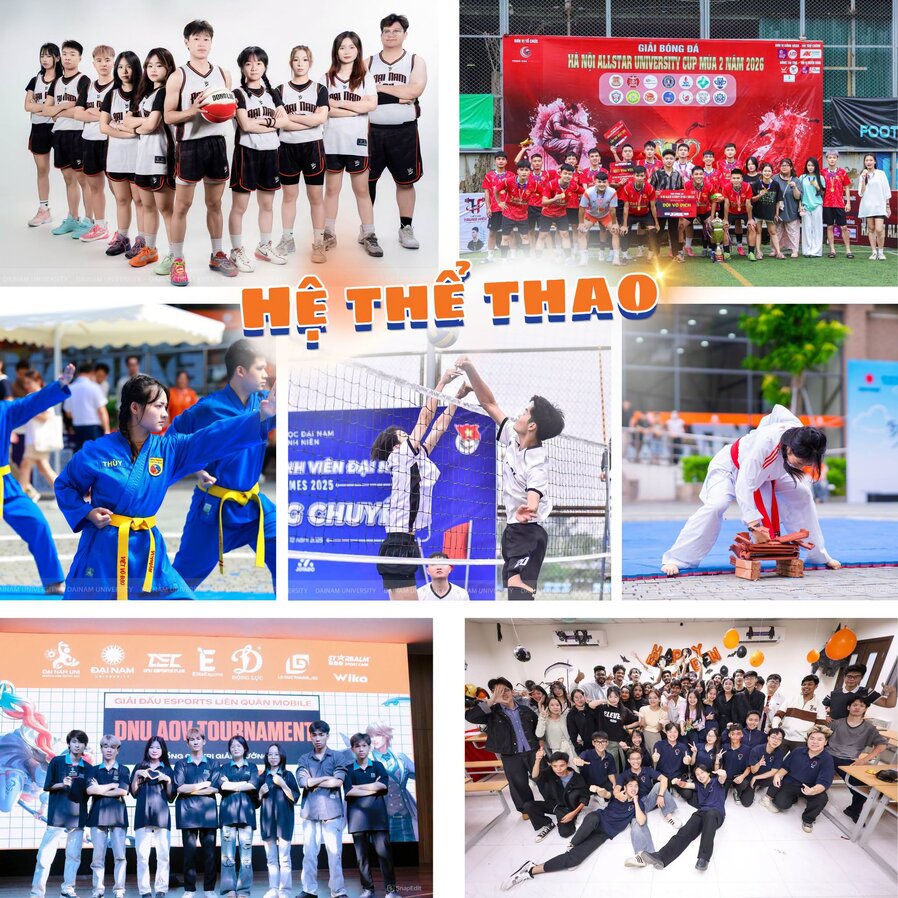
"What's important isn't how many activities students participate in, but what they learn about themselves, what skills they gain, how their attitudes change, and how they mature after each experience," shared Vu Dang Tuan Anh, Secretary of the University's Youth Union.
If skills require practice, then attitudes also need to be developed through very specific actions. These include arriving on time knowing the team is waiting, completing assigned tasks even without being reminded, listening when your opinion isn't considered, admitting mistakes when you haven't done well, and working collaboratively as a team even when everyone doesn't always agree.
A program might only last a few hours, but those few hours require days, even weeks, of collaborative preparation. This process instills discipline, teamwork, initiative, adaptability, and responsibility in students. These qualities aren't naturally acquired upon graduation; they are gradually developed throughout their university years.
There are strengths that you have to test to find out you possess.
Not every student enters university knowing what they're good at. Some only realize their leadership skills after organizing an event. Others discover their passion for research through a small project. Some were once very shy about public speaking but discover their expressive abilities after stepping onto the stage. And some students have to try a few things, even fail once, before understanding what truly suits them.
Therefore, experience also holds another value: it gives young people the opportunity to discover themselves.
The journey of Hoang Ngoc Huyen, a student in the Faculty of Business Administration and Marketing, is a prime example. From academic competitions and scientific research to the Miss Huong Sac Dai Nam pageant, Huyen has tried her hand at many different fields and roles.

“ What I gain from each activity is not just the results or awards, but also self-confidence and a better understanding of myself. Every time I try my hand at a new field, I discover another ability of mine and gain more motivation to step out of my comfort zone,” Hoang Ngoc Huyen shared.
For Huyen, each experience is an opportunity to understand herself a little better: what she can do, what she still lacks, and what direction she wants to develop in.
Discover your strengths to showcase your unique identity.
That is also the spirit of the message "Unleash Your Identity - Illuminate Your Journey" that DNU pursues. "Unleash Your Identity" is not about trying to be different at all costs, but first and foremost, it is a process where each student understands themselves, recognizes their strengths, and has an environment where those strengths can be developed.
Therefore, "Life at DNU" is not simply extracurricular life, but an integral part of the student's training and growth journey. Lecture halls provide knowledge, laboratories help students hone their skills, businesses bring students closer to real-world experience; while clubs, playgrounds, competitions, projects, and community activities create additional environments for students to hone their skills, develop attitudes, test their abilities, and understand themselves.

A club can help a student discover an interest; a research topic can awaken their research potential; a stage performance can help a once-shy person find confidence; organizing an event can make a student realize leadership abilities they didn't know they possessed before. Even a single failure can teach young people about responsibility, perseverance, and how to bounce back from setbacks.
The university creates the environment and provides opportunities. Students choose, experience, train, and discover their own strengths. Because ultimately, the goal of university is not for students to have four years filled with activities, but for them to graduate with the knowledge to pursue a career, the skills to work, the attitude to live and work responsibly – and the real competence to confidently enter life.
BTT