English
 Tiếng Việt
Why is Korean currently a foreign language in high demand for employment?



Thousands of South Korean businesses are operating in Vietnam, creating a significant demand for Korean-speaking personnel in manufacturing, technology, trade, services, and logistics. This not only opens up numerous job opportunities with attractive salaries but is also becoming a highly valuable foreign language for young people in the context of international integration and digital transformation.
South Korea is one of the largest investors in Vietnam.
One of the most important reasons for the high demand for Korean language skills in Vietnam is the growing presence of Korean businesses in the country.
For many consecutive years, South Korea has consistently been among the leading countries in terms of foreign direct investment (FDI) in Vietnam. Thousands of South Korean businesses are operating in various sectors including manufacturing, electronics, technology, trade, logistics, services, finance, and real estate.
The growth of large corporations such as Samsung, LG, Hyundai, Lotte, CJ, Posco, and Doosan has led to a significant demand for personnel fluent in Korean.
Korean businesses not only create hundreds of thousands of direct jobs but also contribute to the formation of a vast manufacturing, trade, and service ecosystem in Vietnam. This has led to a growing demand for Korean-speaking personnel across various industries and skill levels.
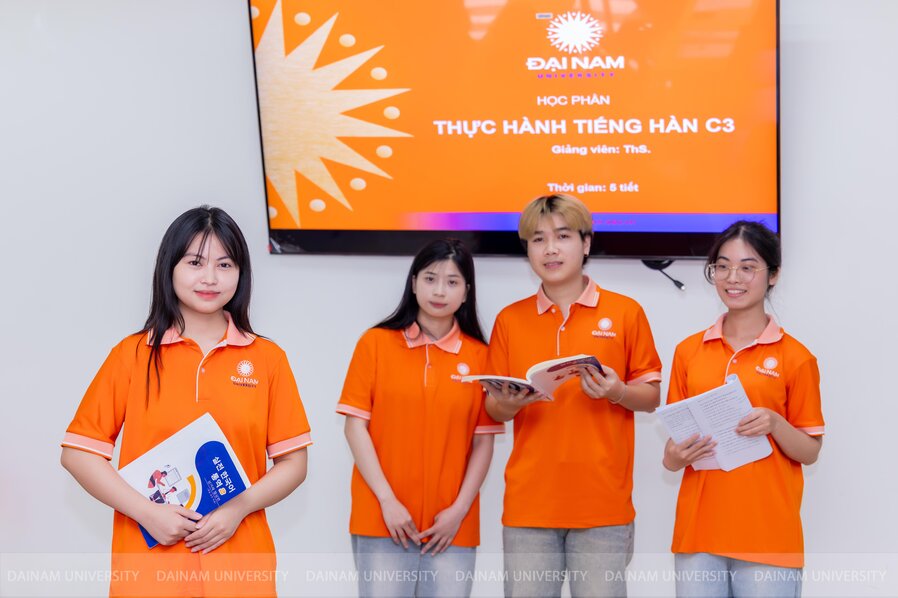
The demand for Korean-speaking personnel is increasing.
As Korean businesses expand their operations in Vietnam, the demand for personnel proficient in Korean is also increasing.
Currently, many job positions prioritize or require candidates who know Korean, such as:
- Translator, interpreter.
- Assistant Director (Korean).
- Human Resources Specialist.
- External Relations Specialist.
- International Sales Specialist.
- Import/Export Specialist.
- International Customer Service Specialist.
- Project management.
- Korean-speaking tour guide.
In particular, recruitment needs are not only concentrated in Hanoi or Ho Chi Minh City but also extend to many industrial zones with South Korean investment across the country.
According to Dr. Tran Hai Duong, Head of the Department of Korean Language and Culture at Dai Nam University, the current demand for personnel fluent in Korean is not only increasing in quantity but also changing in quality.
" Businesses are no longer looking for people who only know Korean. They need personnel who can use Korean to work, communicate with partners, participate in business activities, and adapt to an international environment. That's why learners need to be equipped with both foreign language proficiency, professional skills, and cultural understanding," Dr. Tran Hai Duong stated.
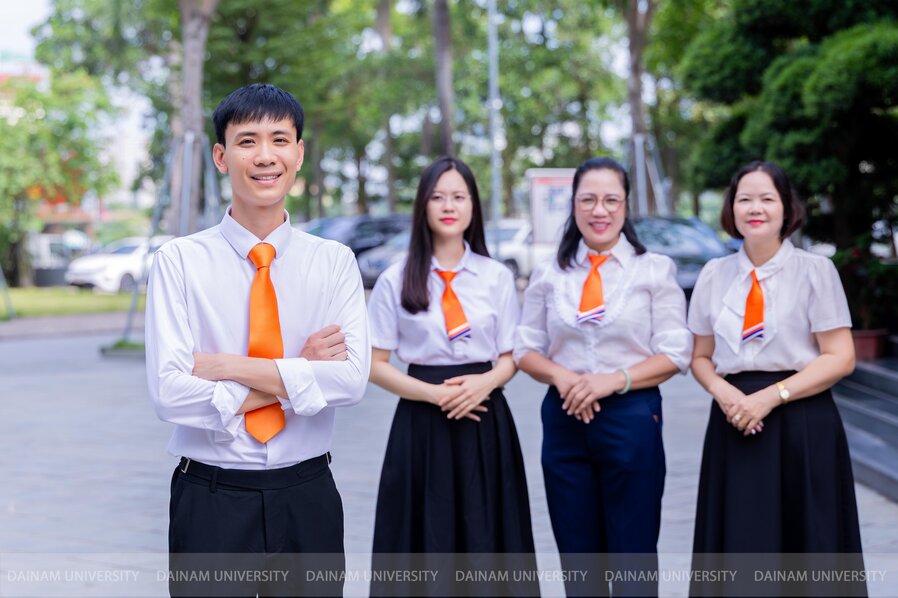
Salaries for those who know Korean are quite attractive.
Besides abundant job opportunities, income level is also a factor that leads many people to choose to learn Korean.
For recent graduates, salaries typically range from 10 to 15 million VND per month, depending on the position and qualifications.
For those with a high TOPIK score and experience in translation/interpretation, public relations, executive assistant, or project management positions, income can range from 15 to 30 million VND per month, or even higher in larger companies.
In an increasingly competitive job market, this is considered an attractive income level for many young people just starting their careers.
Korean is not just a foreign language, but also a career advantage.
Previously, many people learned Korean simply out of love for Korean culture. However, in the current context, Korean is becoming a professional tool that helps learners access international work environments.
Businesses today need not only people who know Korean, but also people who can use Korean to communicate, work, negotiate, and connect with Korean partners.
Many education experts believe that the development of artificial intelligence (AI) is changing the way people learn and use foreign languages. AI can support increasingly effective translation, but it is unlikely to replace skills such as intercultural communication, problem-solving, relationship building, or decision-making in a business environment.
This means that the competitive advantage of foreign language learners in the future will not lie in knowing another language, but in their ability to use that language to create value in their work.

The influence of Korean culture motivates young people to learn.
Besides the advantage of job opportunities, the Korean cultural wave (Hallyu) also contributes to its strong appeal to young people.
Korean music, movies, fashion, food, and technology have become a familiar part of the lives of many young Vietnamese people. Driven by a love for K-Pop, Korean films, and Korean culture, many students are beginning to explore and choose to learn Korean systematically.
The combination of passion and career opportunities has made Korean one of the most sought-after foreign languages today.
Should I study Korean Language?
Given the increasing demand for recruitment from Korean companies and companies with Korean investment in Vietnam, the Korean Language major is becoming a popular choice for many high school graduates.
This field of study not only helps students become proficient in Korean but also equips them with knowledge of Korean culture, economy, and society, along with skills for working in an international environment. In the context of globalization and digital transformation, the ability to use foreign languages combined with an integrated mindset is becoming a crucial competitive advantage for young people.
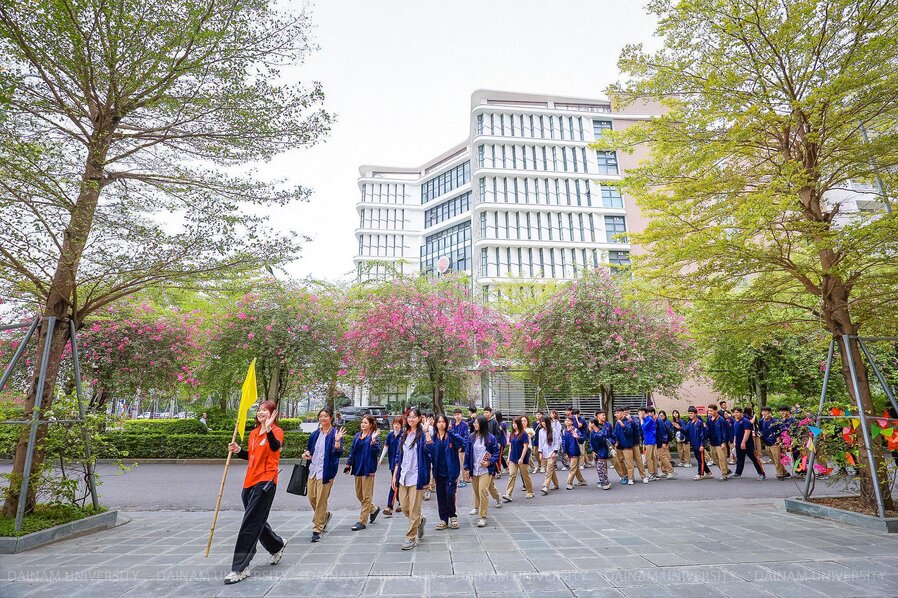
At Dai Nam University, the Korean Language major is designed to meet the practical needs of businesses. Students can choose between two specializations : Korean Translation and Interpretation, and Business Korean, helping them to orient their careers from their early years of university.
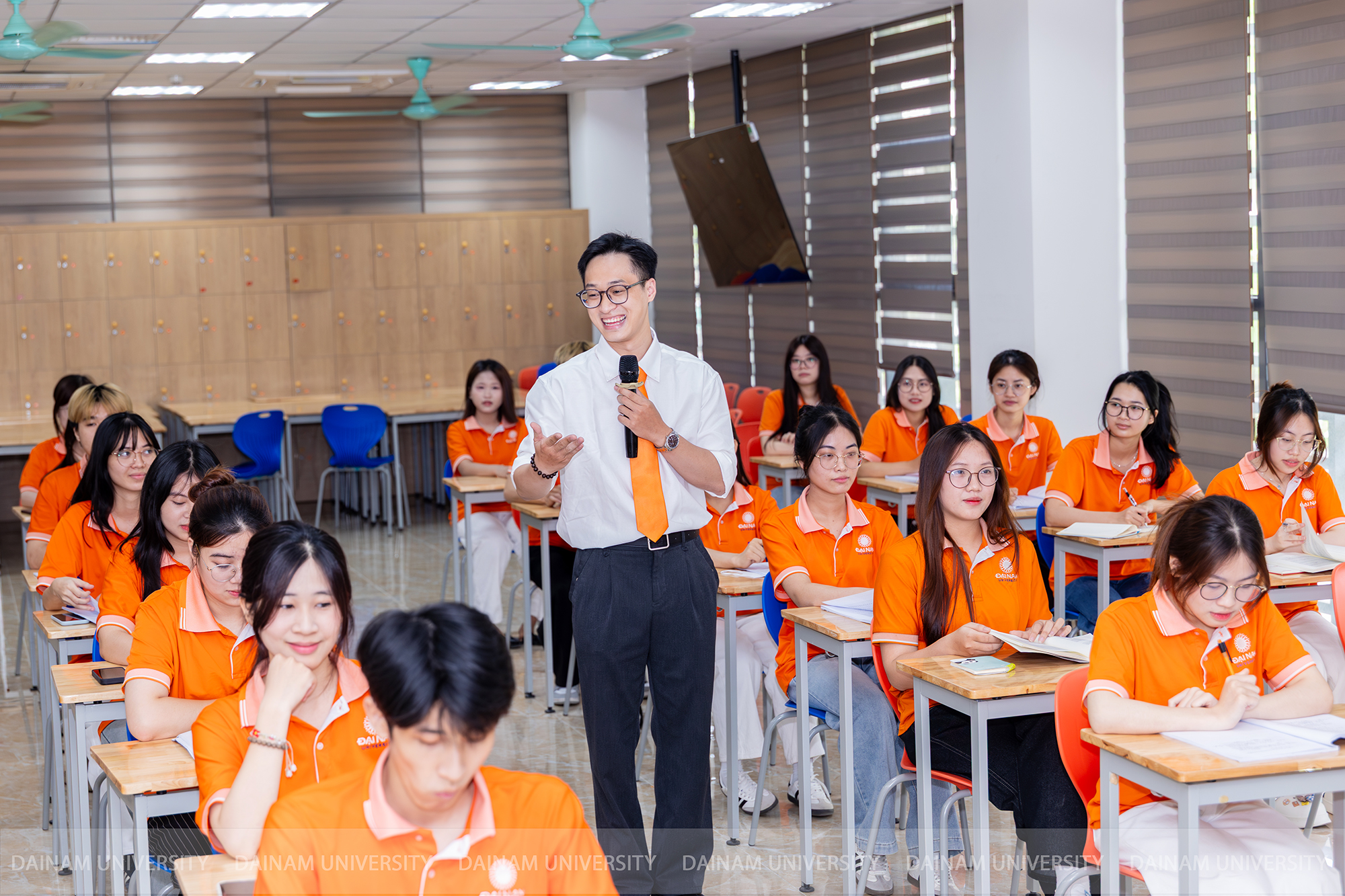
The training program focuses on developing language proficiency, cultural understanding, and professional skills simultaneously. In addition to specialized courses, students participate in activities such as exchanges with native-speaking experts, experiencing Korean culture, company internships, and international cooperation programs to enhance their ability to apply Korean in a real-world work environment.
One of the advantages of this program is its experienced faculty, many of whom have studied, researched, or worked in South Korea. The school also invests in specialized classrooms, digital learning materials, and a modern learning environment to support students in developing their foreign language skills comprehensively.
In addition, the annual scholarship fund of up to 50 billion VND, along with the commitment not to increase tuition fees throughout the entire course, helps students and parents feel more secure during their studies.
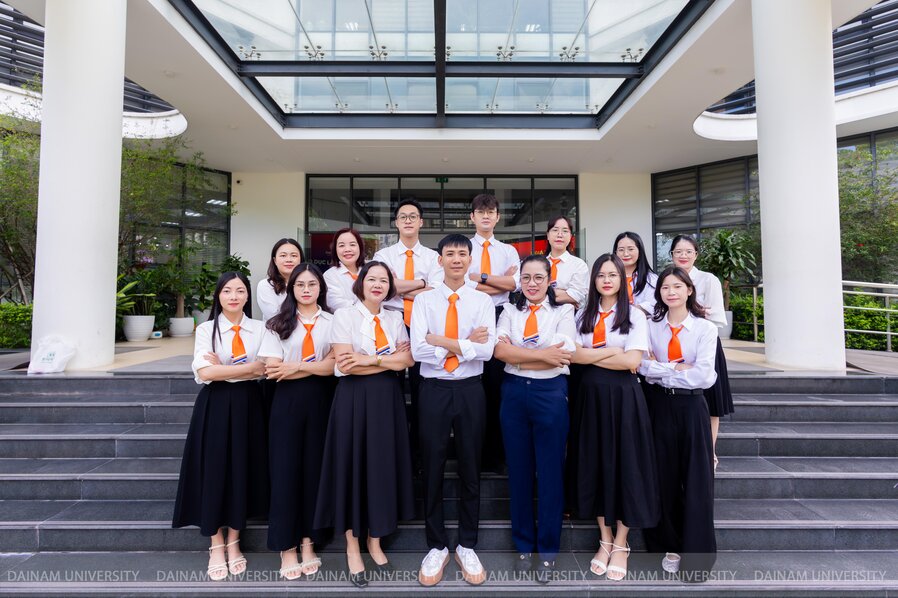
According to Dr. Tran Hai Duong, Head of the Department of Korean Language and Culture at Dai Nam University, the program's goal is not only to train students to be proficient in Korean but also to enable them to work immediately in a business environment and integrate internationally after graduation.
In the context of the continuing strong development of Vietnam-Korea relations and AI changing the way people learn and work, the value of a foreign language lies not in knowing another language, but in the ability to use that language to connect, cooperate, and create value.
With the increasing demand for human resources from Korean businesses, Korean is predicted to continue to be one of the foreign languages with the most career opportunities in Vietnam in the coming years. This is also why the Korean Language major is becoming a popular choice for many young people who want to build a career in an international environment.
>>> REGISTER FOR ADMISSION: HERE
BTT