English
 Tiếng Việt
Who is suitable for studying Japanese Language? Proper guidance before choosing a major for the long term.



Amidst a rapidly changing job market, particularly driven by technology and AI, choosing a major has become increasingly challenging for both students and parents. In this context, Japanese Language studies has emerged as a promising option due to high demand for skilled professionals, abundant job opportunities, and competitive salaries. However, to pursue this field effectively, students need to seriously consider their own suitability for the subject, rather than simply following trends.
What is the Japanese Language major? What are the career opportunities?
Japanese Language is a specialized training program focusing on the Japanese language, while also equipping students with knowledge of Japanese culture, people, and work environment. Students not only learn the language but also develop communication and business skills.
After graduation, students can take on various positions such as translator/interpreter, assistant director, international business, import/export, human resources/administration, or teaching. The common salary range currently is from 15 to 50 million VND per month, depending on skills and experience.
Who is suitable for studying Japanese Language?
Japanese is suitable for people with discipline and perseverance. It is one of the more difficult languages, especially in its writing system and grammatical structure. Learners need to be able to maintain consistent study and accumulate knowledge daily to reach a high level. Students with a serious study ethic often easily achieve important certificates such as JLPT N2 and N1, giving them a significant advantage when entering the job market.
In addition, a genuine interest in Japanese culture and environment is a crucial factor in helping learners succeed in the long run. When there is genuine interest, approaching the language becomes more natural and effective.
This field of study is also suitable for those who aspire to work in an international environment. Japan is one of the major investors in Vietnam, leading to a high demand for personnel fluent in Japanese in many fields. Possessing this foreign language gives employees a clear competitive advantage.
Furthermore, those with clear career goals will be better able to take advantage of the field. The Japanese language opens up many different paths, so setting goals early will make the learning process more effective.
Where should I study Japanese Language?
Choosing the right educational environment is a crucial factor determining the quality of graduates and their career opportunities. For a field requiring a high level of accumulated knowledge like Japanese Language, the curriculum needs to simultaneously meet three requirements: a solid language foundation, clear career orientation, and strong connection to business practices. Lacking any of these three elements, students can easily waste time without gaining a competitive advantage upon graduation.
At Dai Nam University (school code DDN), the Japanese Language major is designed with an applied orientation, focusing on the goal of "graduates being job-ready." The training program goes beyond simply teaching the language; it concentrates on developing comprehensive Japanese language skills, cultural understanding, and a professional work ethic – factors that businesses highly value.
What sets this program apart is its early career orientation through three distinct specializations: Japanese translation and interpretation, Japanese teaching, and business Japanese. This organizational structure helps students avoid a scattered learning path and instead follow a specific roadmap, developing the skills necessary for their future careers.
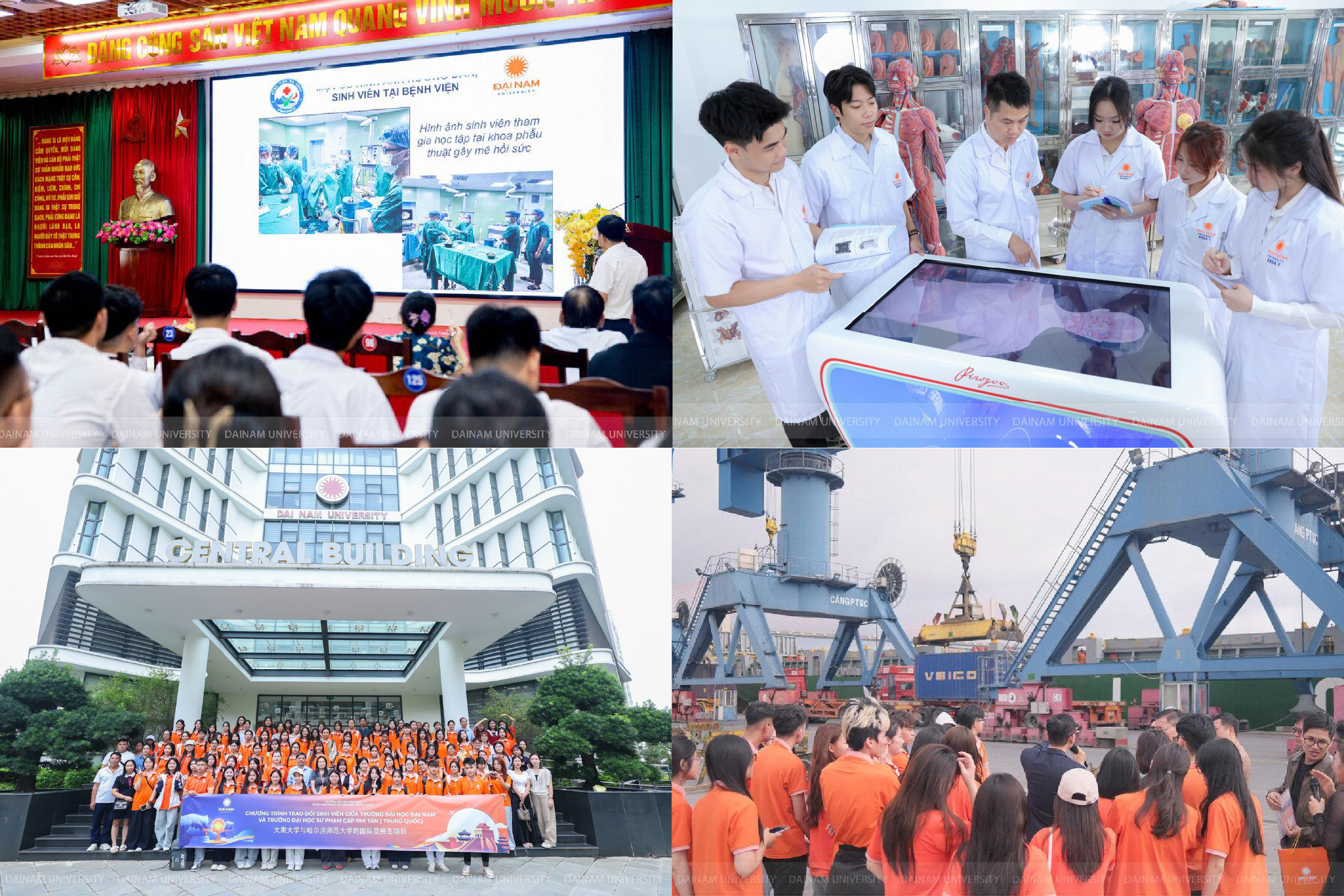
Alongside classroom training, the school promotes connections with businesses and practical experience. Students are given opportunities to participate in internships early on, gaining access to a professional work environment, thereby bridging the gap between study and work. Notably, students have the chance to participate in paid internship programs in Japan for 6 months to 1 year before graduation, accumulating international experience while still in school.
- Industry code 7220209
- Training duration: 3.5 years (11 semesters)
- Admission combinations: C00, D01, D06, D14, D15, D66, X78.
- The learning path is designed in stages, helping students clearly improve their abilities each year and aiming for the JLPT N2 - N1 output standard.
Furthermore, the dynamic learning environment, modern facilities, and a faculty comprised of experienced associate professors, doctors, masters, and experts contribute to ensuring the quality of education. The university is also committed to supporting students in finding employment both before and after graduation, creating a solid foundation for them to enter the labor market.
In the context of expanding Vietnam-Japan cooperation, choosing a practical training environment like Dai Nam University not only helps students excel in Japanese but also equips them with genuine professional skills – a crucial factor in seizing job opportunities both domestically and internationally.
Making the right choices for long-term success and sustainable development.
Japanese language studies is a promising field but also requires serious investment. Understanding oneself, choosing the right major and the right learning environment will help candidates and parents make the right decision.
With clear direction, a persistent learning spirit, and the right environment, the Japanese language can absolutely become a solid foundation for a stable career, good income, and long-term development opportunities.
>>> REGISTER FOR ADMISSION HERE
BTT