English
 Tiếng Việt
What do Indian medical students take with them after completing the Soft Skills course at Dai Nam University?



Beyond simply learning communication, teamwork, and presentation skills, nearly 200 international medical students from India gained much more after completing the Soft Skills course at Dai Nam University. Their heartfelt feedback revealed that what remained was not just a course, but also personal growth, confidence, and memorable experiences during their studies far from home.
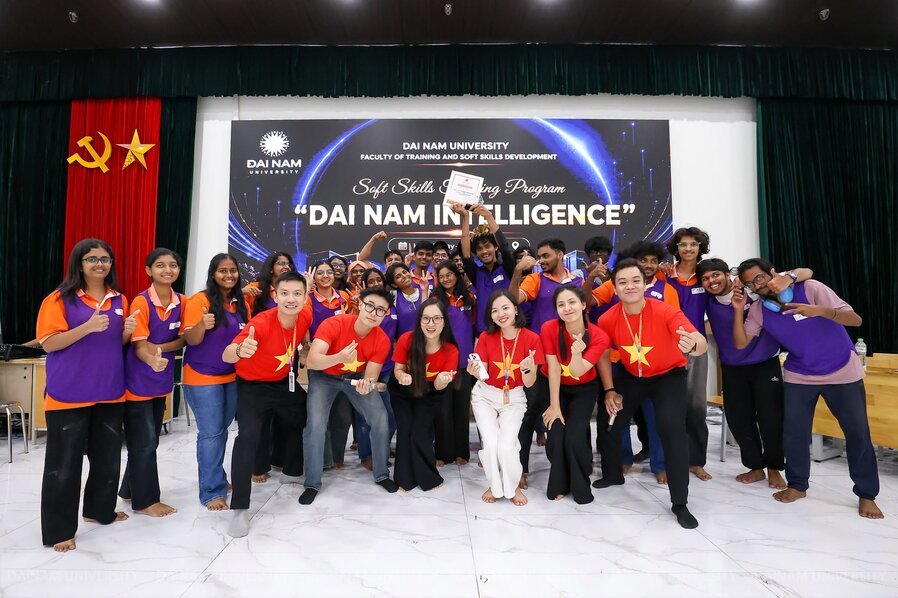
Nearly 200 international medical students from India have completed the Soft Skills module at Dai Nam University after more than two months of study and experience.
From skills training sessions to the transformation of each student.
After more than two months of studying, experiencing, and participating in practical activities, nearly 200 international medical students from India have completed the Soft Skills module at Dai Nam University.
When reviewing nearly 200 feedback forms after the course, what moved the instructors wasn't the praise for the subject itself, but the fact that many students had recognized the changes in themselves.
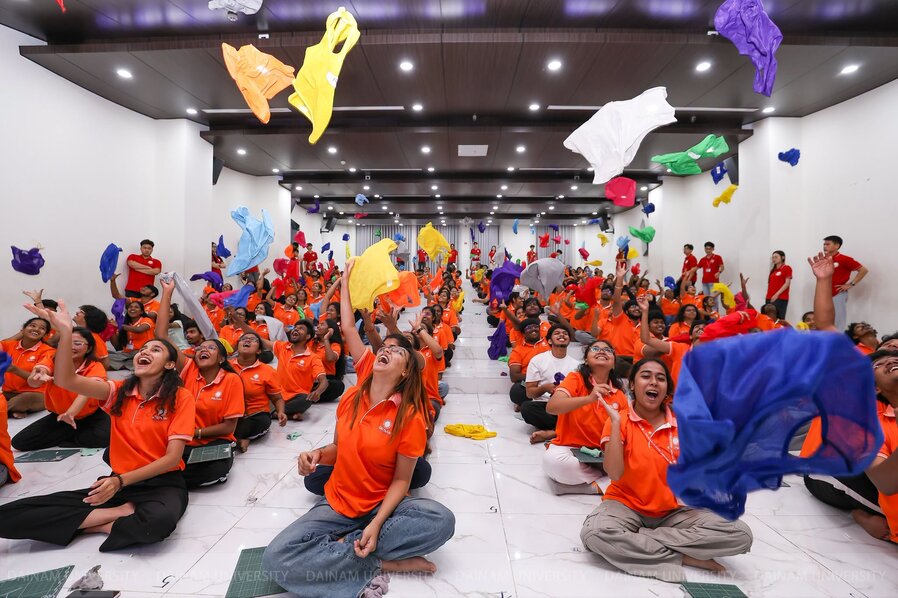
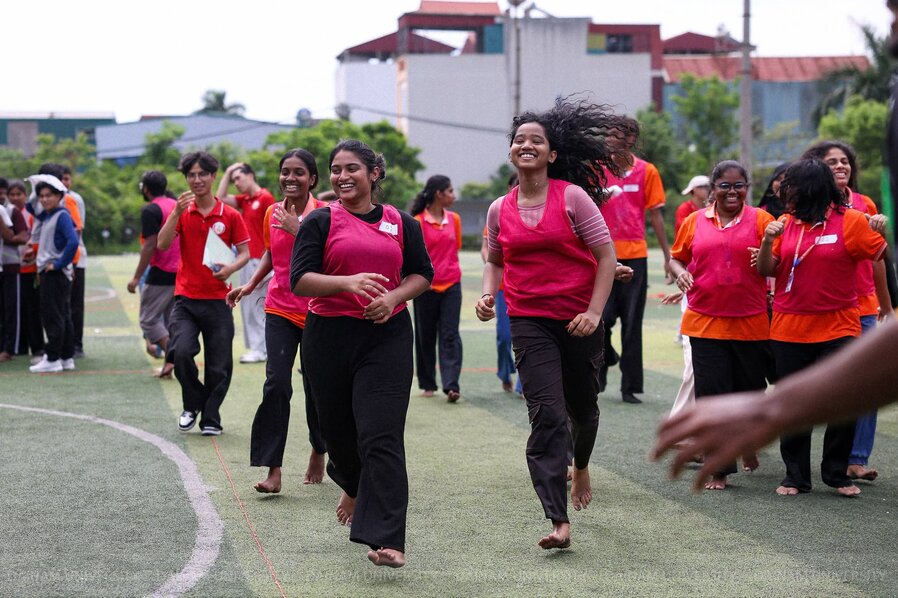
The vibrant and open learning environment helps international students confidently express their opinions and develop their personal abilities.
One student shared: "The course helped me become more confident when communicating with people."
Another student wrote: "I've dared to step out of my comfort zone and express myself more."
Many students reported learning how to manage their time, work in teams, solve problems, and overcome public speaking anxiety. These seemingly small changes are crucial foundations for medical students—those who will one day work directly with patients, colleagues, and the community.
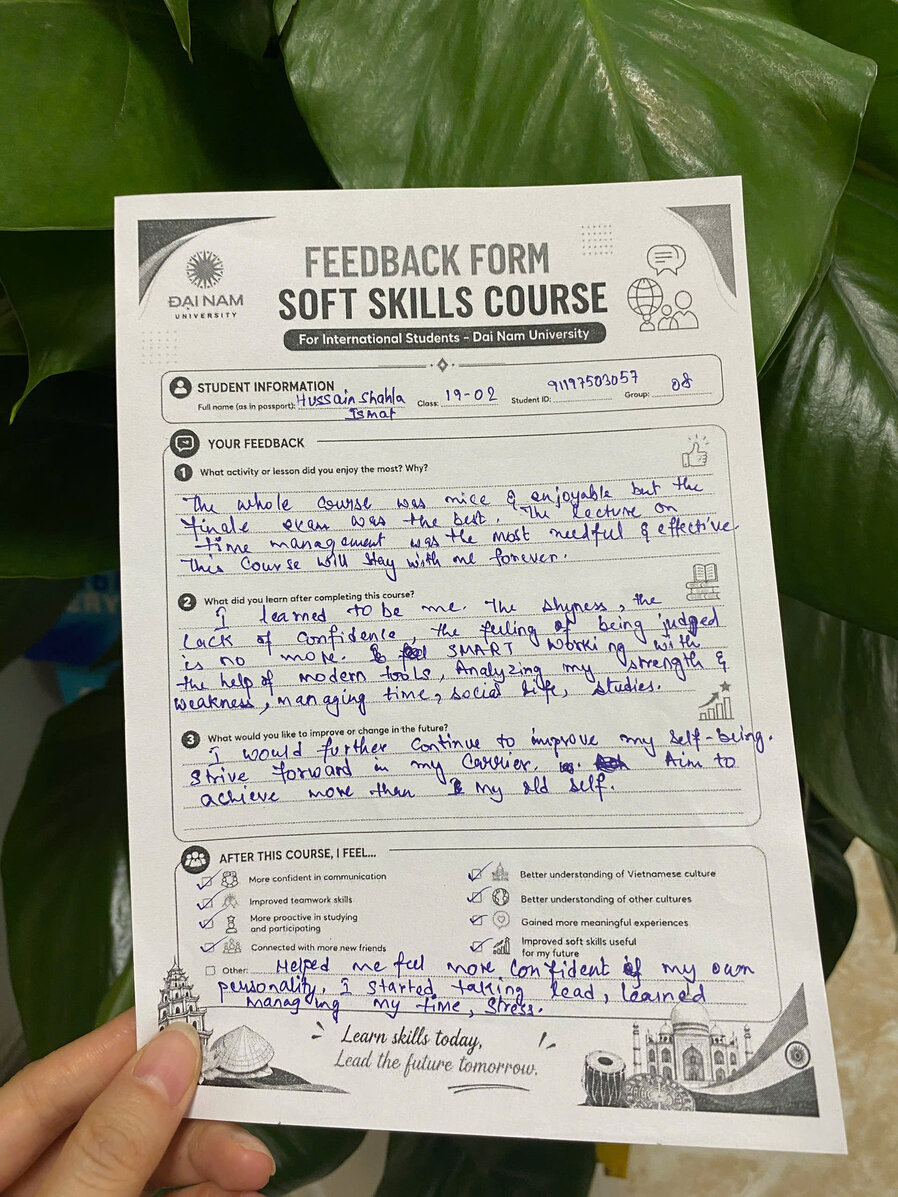
Heartfelt and heartwarming feedback from international medical students from India after completing the Soft Skills module.
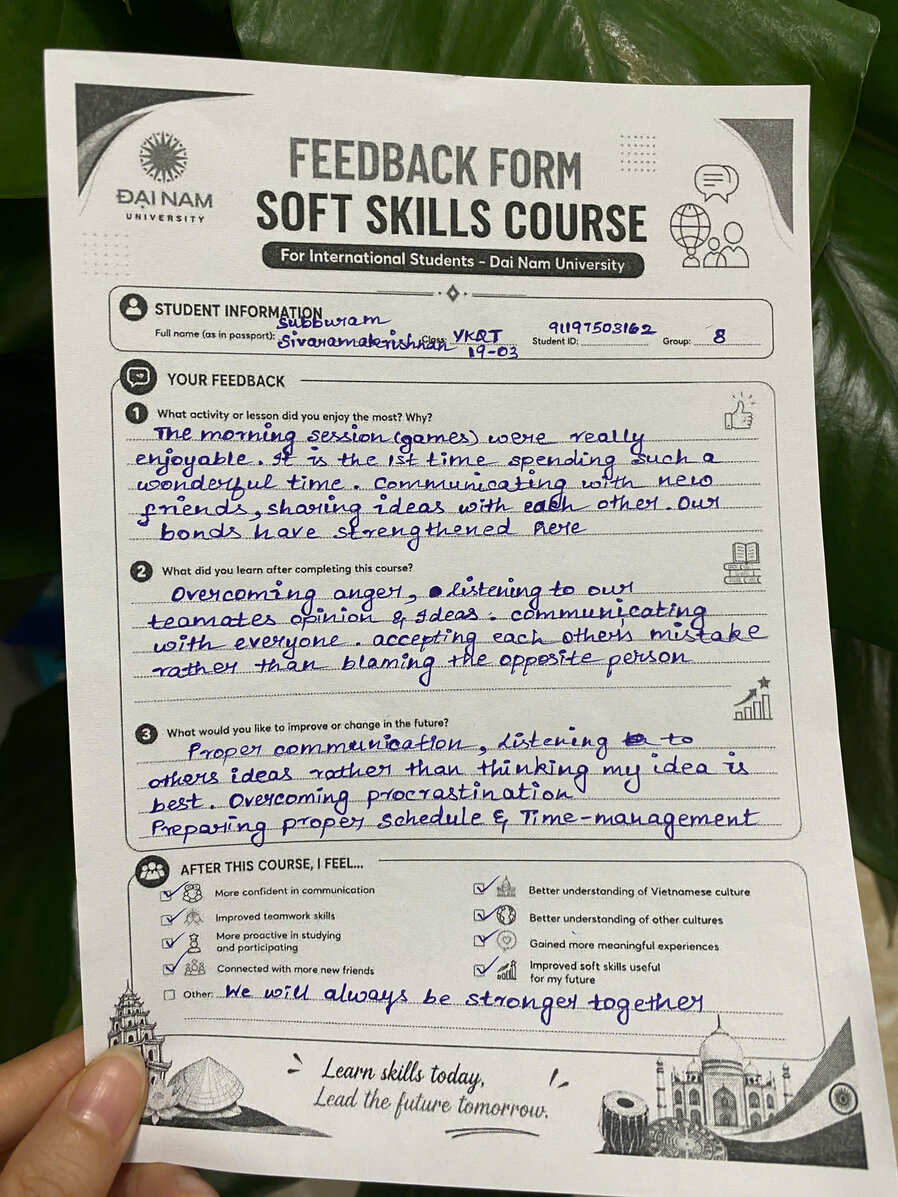
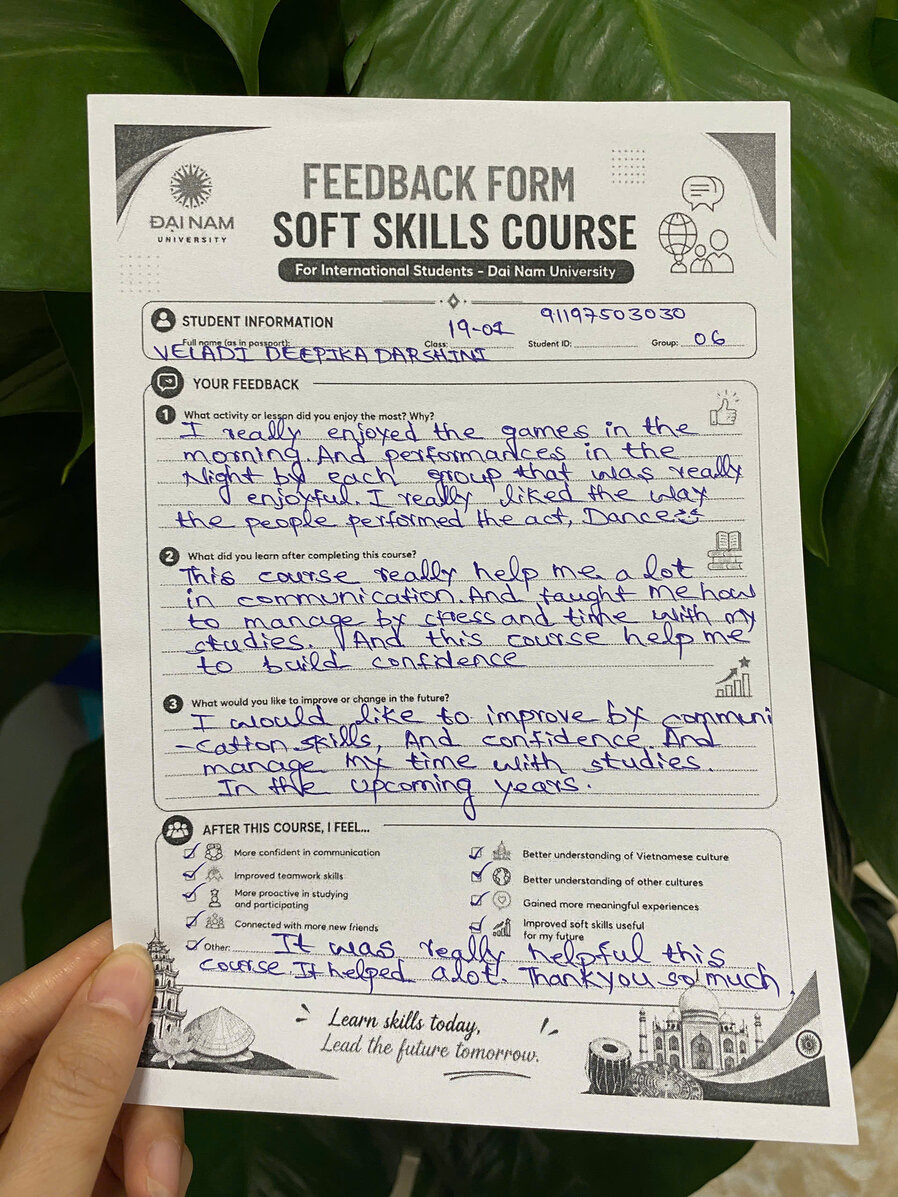
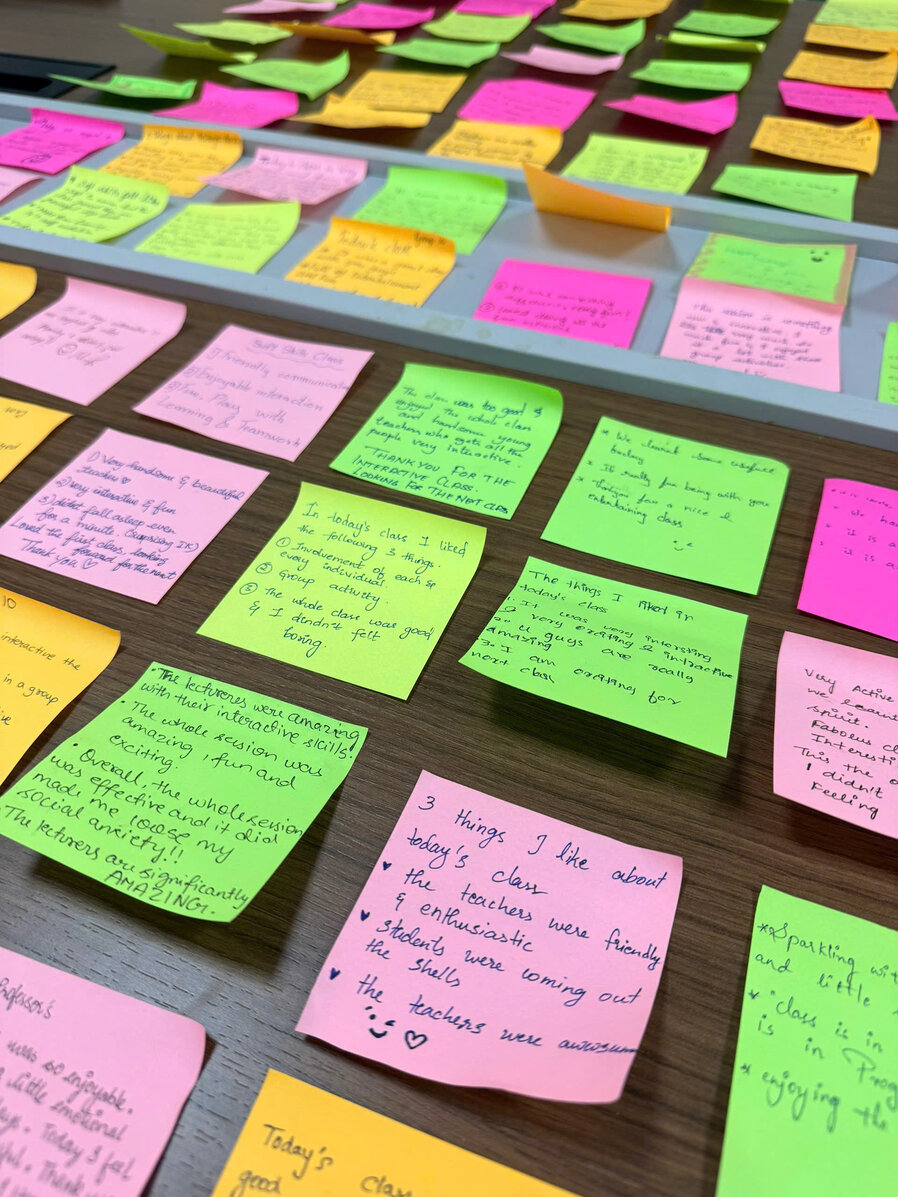
When the classroom becomes a place for connection and sharing.
For international students, the learning journey in Vietnam is not just about acquiring specialized knowledge, but also about adapting to a new living environment, a new language, and cultural differences.
Therefore, what many students remember most after the course is not the assignments or exams, but the new friends and memorable group experiences.
One student shared: "I've made many new friends and feel closer to everyone."
Another comment read: "The course helped me understand Vietnamese culture better and gave me many meaningful experiences in my student life."
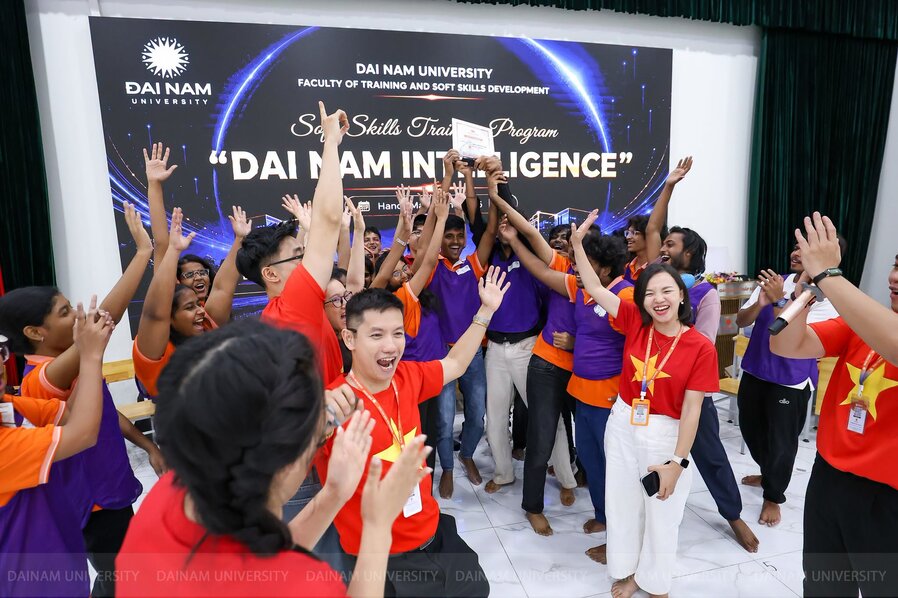
Through practical exercises, students gradually overcome their shyness and become more confident when presenting in front of a crowd.
Through group activities, discussions, presentations, and individual projects, students not only hone their skills but also have the opportunity to connect, understand, and support each other. For young people studying far from home, a positive, interactive classroom environment can sometimes be a crucial source of emotional support.
Education that touches emotions will leave behind more than just knowledge.
Sharing her thoughts after reading the feedback forms, Ms. Nguyen Thi Thuy, Head of the Soft Skills Training and Development Department, said: "What makes us happiest is that students realize they have changed. They are more confident, more open, and more mature after the course. That is the goal that the Soft Skills module aims for."
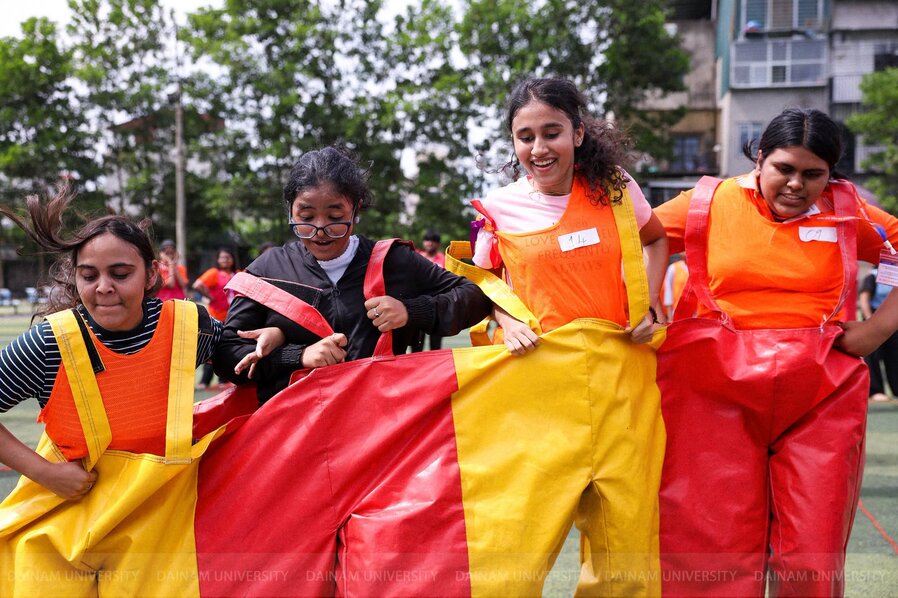
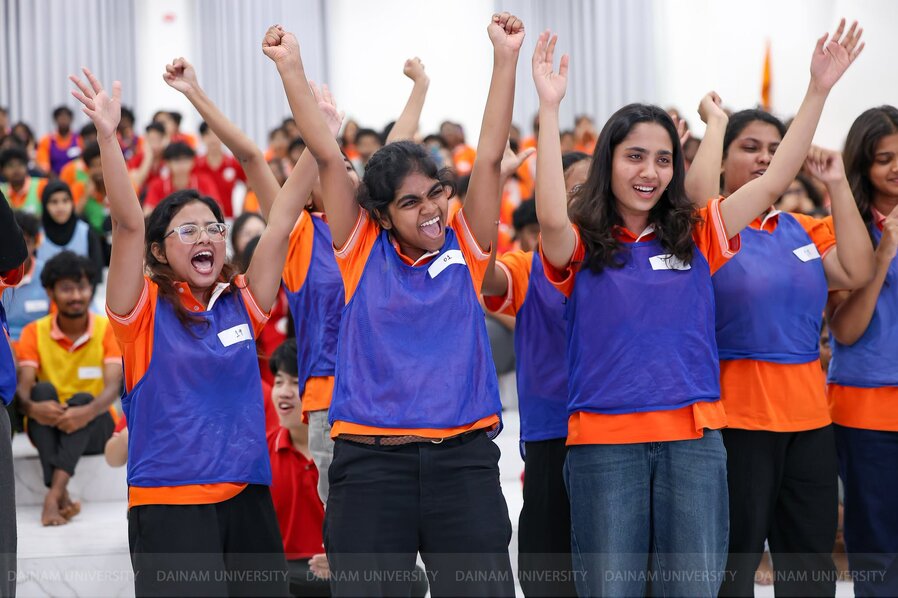
These highly interactive classes have provided international students with many memorable experiences during their studies in Vietnam.
According to the instructors, soft skills are not just a course component to complete the training program, but also a journey that helps students understand themselves, connect with others, develop self-confidence, and adapt to their future academic and professional environments.
In particular, for international medical students, skills such as communication, listening, empathy, teamwork, and the ability to adapt to a multicultural environment will become crucial assets on their path to becoming global doctors.
Nearly 200 feedback forms, filled with hundreds of different handwritten notes, concluded a course module, but for the instructors, it also proved that when education touches the emotions of the learners, what they take away will always be more than just knowledge. And perhaps, that is the greatest success a teacher can achieve.
HTC