English
 Tiếng Việt
Graduates must be job-ready - The reason Dai Nam University incorporates businesses into its training process.



Having a university degree but still being unable to perform the job requires businesses to retrain them from scratch. This is a gap that higher education institutions must take responsibility for bridging, instead of leaving students and businesses to fend for themselves after graduation.
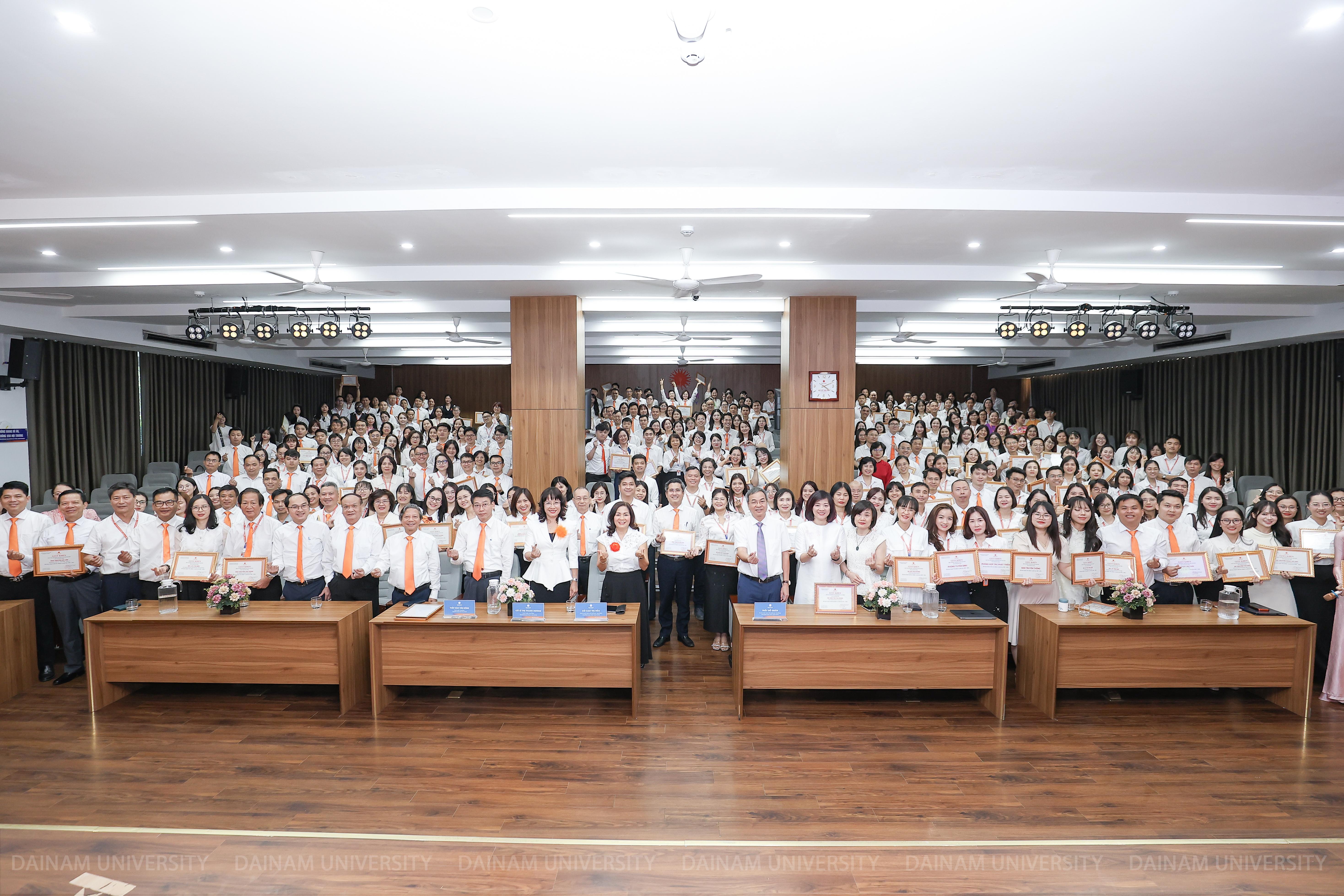
This was also the issue raised by Dr. Le Dac Son - Chairman of the University Council of Dai Nam University - at a meeting to express gratitude to nearly 200 partners, including hospitals, businesses, professional organizations, and experts who have accompanied the University, on the occasion of the 19th anniversary of the University's founding (November 14, 2027 - November 14, 2016) and Vietnamese Teachers' Day on November 20.
"Teaching students only academic theories is not enough. They must learn in reality, gain real experience, and know how to work when they leave school..." Dr. Le Dac Son emphasized.
According to the Chairman of the School Board, for graduates to meet job requirements, businesses cannot simply be involved in the recruitment process. They need to participate from the training stage, helping the school understand what the labor market needs, how professions are changing, and what skills students need to prepare.
COMPANIES ARE NOT JUST PLACES TO RECEIVE INTERNS
A student may excel in school but still struggle when entering the real-world work environment. Specialized knowledge is fundamental, but work discipline, practical skills, teamwork abilities, problem-solving skills, and a sense of responsibility can only be perfected through practical work experience.
Therefore, Dai Nam University has determined that businesses, hospitals, and professional experts must become part of the training process, through four specific areas of cooperation:
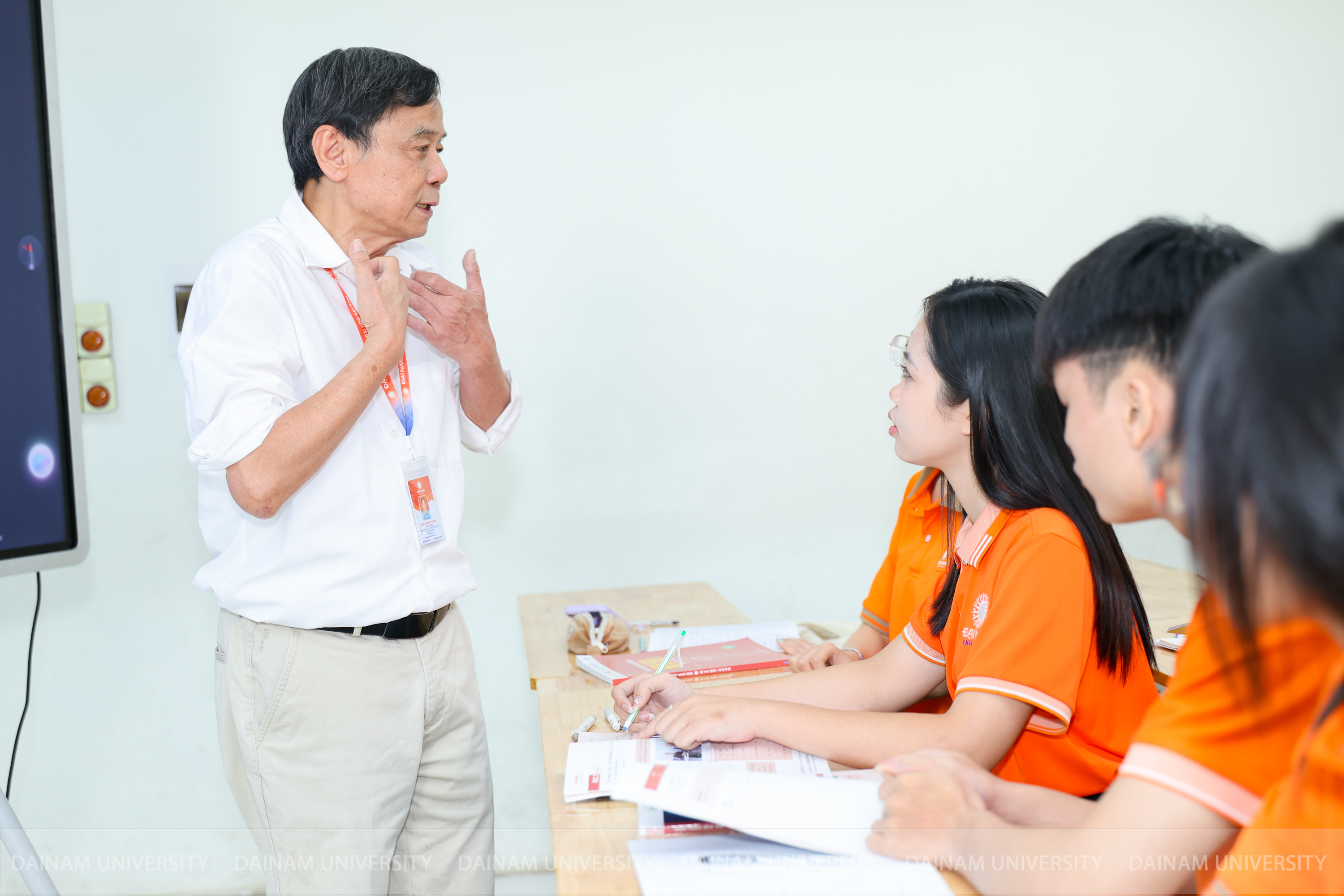
1. Involvement in teaching: Bringing managers, experts, and professionals directly into the classroom helps students learn from real-world experiences and requirements.
2. Collaborative development and updating of training programs: Adjusting learning content to reflect changes in the labor market, technology, AI, and digital transformation, avoiding situations where students learn knowledge that is outdated compared to reality.
3. Internship, evaluation, and recruitment: Creating opportunities for students to be assigned tasks, receive guidance, be rigorously evaluated, and have the chance to be recruited while still studying.
4. Collaborative research and problem-solving: Connecting the university's scientific knowledge with technological, management, and production/business challenges faced by enterprises.
COOPERATION MUST BRING REAL BENEFITS TO BOTH SIDES
Dr. Le Dac Son emphasized that Dai Nam University does not expect businesses to accept students out of politeness or cooperative relationships. The university hopes that partners will frankly assess and point out areas where students are weak so that the training process can be adjusted together.
In return, the school has the responsibility to prepare businesses with a workforce that not only possesses knowledge and skills but also has a positive attitude, a proactive spirit, honesty, responsibility, and a willingness to work.
Businesses gain more opportunities to identify, train, and recruit suitable personnel. Schools gain more practical experience to improve the quality of training. Most importantly, students learn exactly what the profession requires, reducing their initial confusion when entering the workforce and increasing their job opportunities after graduation.
With nearly 25,000 students, Dai Nam University understands that the responsibility of a university does not end when it awards diplomas.
An important measure of training quality is not just what students know when they graduate, but also what they can do, whether they gain the trust of businesses for employment, and whether they have the potential for long-term career development.
That is why Dai Nam University needs businesses to partner with it – not just for more cooperation agreements, but to share responsibility for the quality of human resources and the future careers of its students.
BTT