English
 Tiếng Việt
For nearly 20 years, the Faculty of Information Technology at Dai Nam University has focused on training problem-solving individuals rather than chasing technology trends.



Nearly two decades of development for the Faculty of Information Technology at Dai Nam University has taken place within a constantly evolving field. From the Internet, cloud computing, big data to artificial intelligence, each technological advancement has changed how businesses operate and how the market utilizes human resources. And AI is accelerating this change. Therefore, the question for an IT faculty today is no longer just about what technologies to teach, but more importantly: what can students do after graduation, what problems can they solve, and what value can they create for businesses and society?
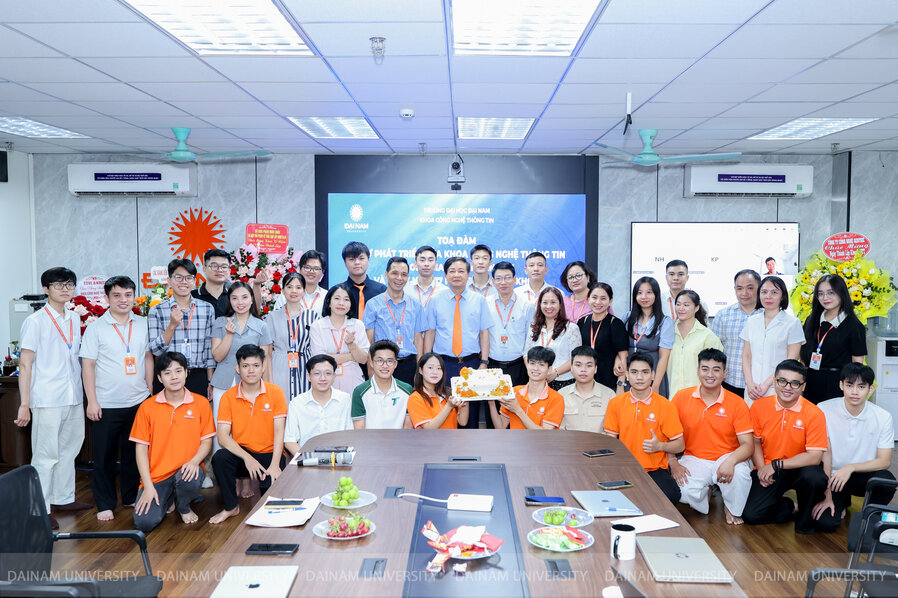
Dr. Le Dac Son, Chairman of the Board of Directors of Dai Nam University; Prof. Dr. Dao Van Dong - Vice Rector of the university, along with leaders and lecturers of the Faculty of Information Technology, at a seminar on the occasion of the 17th anniversary of the Faculty's establishment.
Market awareness is key to gaining a competitive advantage.
Technology changes very rapidly; a tool that is new today may become commonplace or even replaced by another technology in just a few years. Skills that were once an advantage for learners can quickly become basic skills.
Therefore, the challenge of IT training is not simply about continuously adding new technologies to the curriculum. More importantly, it's about identifying what the market needs, what problems businesses are solving, and what skills learners need to participate in those jobs.
At a seminar marking the 17th anniversary of the Faculty of Information Technology, Dr. Le Dac Son, Chairman of the Board of Directors of Dai Nam University, acknowledged the intense competition in IT training today.
“Imagine, the Faculty of Information Technology at Dai Nam University has to compete with 267 other Faculty of Information Technology in Vietnam. But I am very confident because the faculty members have chosen their own path, and because they have a voice with businesses,” shared Dr. Le Dac Son.
The challenge, therefore, is not to blindly follow everything the market offers, but to find our own path and competitive advantage.

Dr. Le Dac Son, Chairman of the Board of Directors of Dai Nam University, shared his vision for the development of the Faculty of Information Technology in the context of constantly changing technology and the labor market.
For the Faculty of Information Technology at Dai Nam University, the direction is to increase connections with businesses, bring real-world problems into the classroom, and allow students to access professional work as early as possible.
"Give students projects to work on early on, equipping them with professional skills from the start. They must take action, avoiding the mindset of sitting in an 'ivory tower' and relying solely on theory," emphasized Dr. Le Dac Son.
And the starting point is very clear: "We must train IT graduates in a way that meets market demands."
AI is changing jobs, but the value of learners lies in their problem-solving abilities.
The development of AI is rapidly changing the IT workforce landscape. Many technical jobs can be supported or automated by AI, making purely operational skills increasingly difficult to sustain as a long-term career advantage. But that doesn't mean job opportunities in the IT industry will shrink.
According to Dr. Tran Dang Cong, Head of the Faculty of Information Technology, the demand for human resources continues to exist and develop, but is shifting towards new fields and skill requirements.
"Job opportunities in the IT sector will not decrease," Dr. Tran Dang Cong stated.
AI/ML, cybersecurity, systems, and emerging technology fields are creating new workforce demands. Simultaneously, IT is increasingly intertwined with finance, healthcare, education, logistics, manufacturing, commerce, and many other sectors.
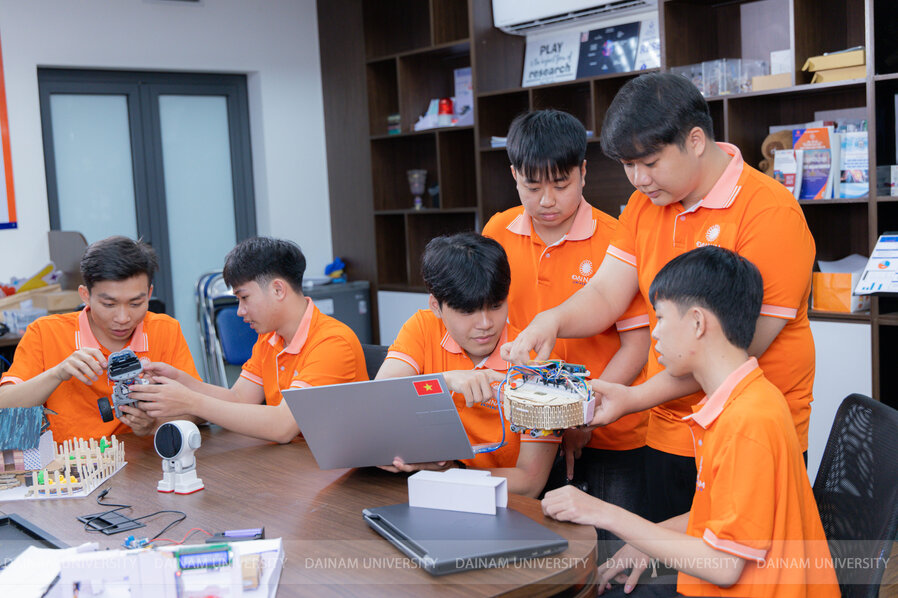
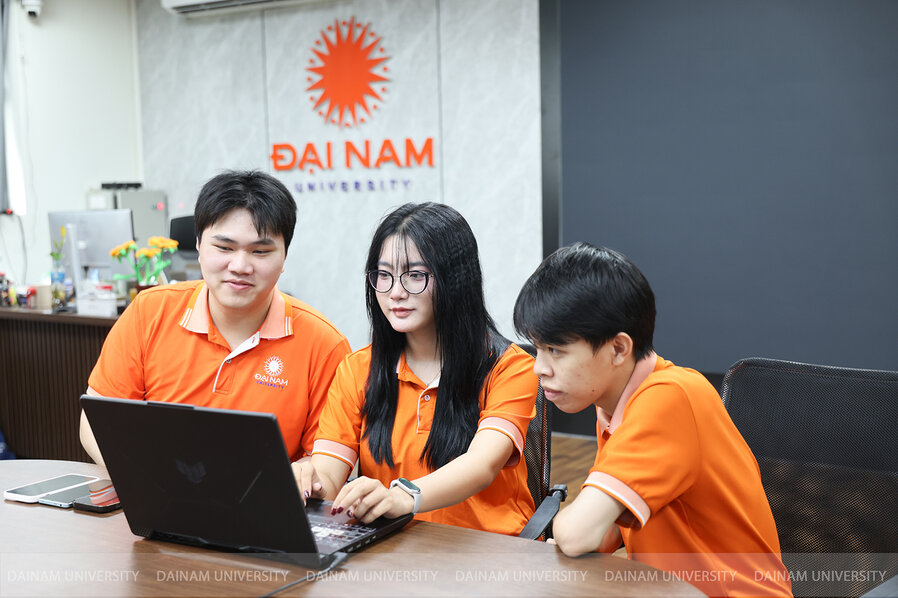
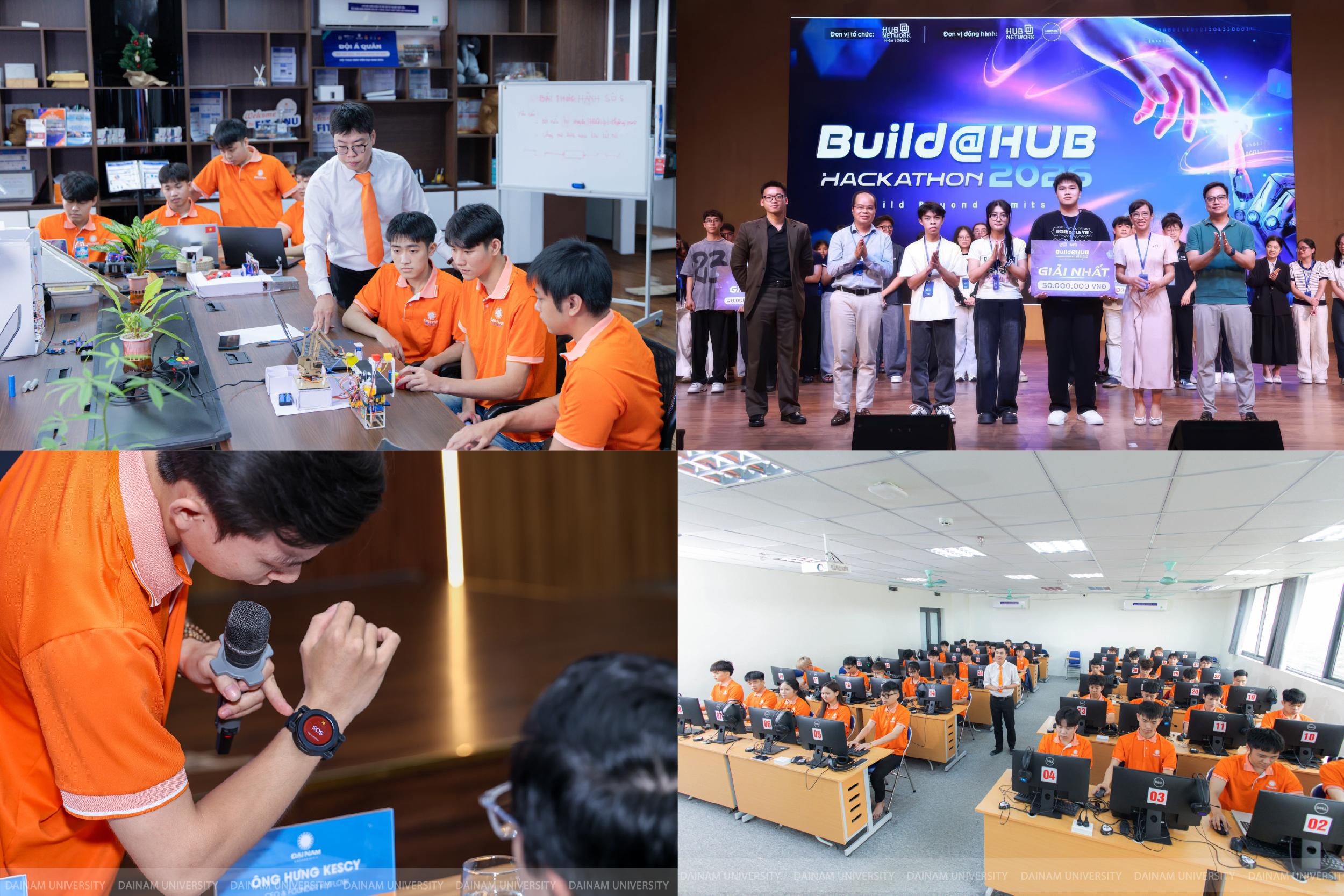
Students in the Faculty of Information Technology practice in the computer lab, gradually developing their professional competence and career skills right from their early years of university.
What the market needs, therefore, is not just someone who knows how to use technology, but someone who knows how to use technology to solve a specific problem.
A student can use AI to write code, analyze data, or support product development. However, to correctly identify problems, verify results, choose solutions, build a complete system, and take responsibility for the final product, learners still need a professional foundation, systems thinking, and the ability to learn continuously.
"AI is changing technology, but the value of learners lies in their problem-solving abilities," emphasized Dr. Le Dac Son.
Therefore, the question for higher education is not just which jobs AI will replace, but more importantly, how people should be trained to take on higher-value jobs.
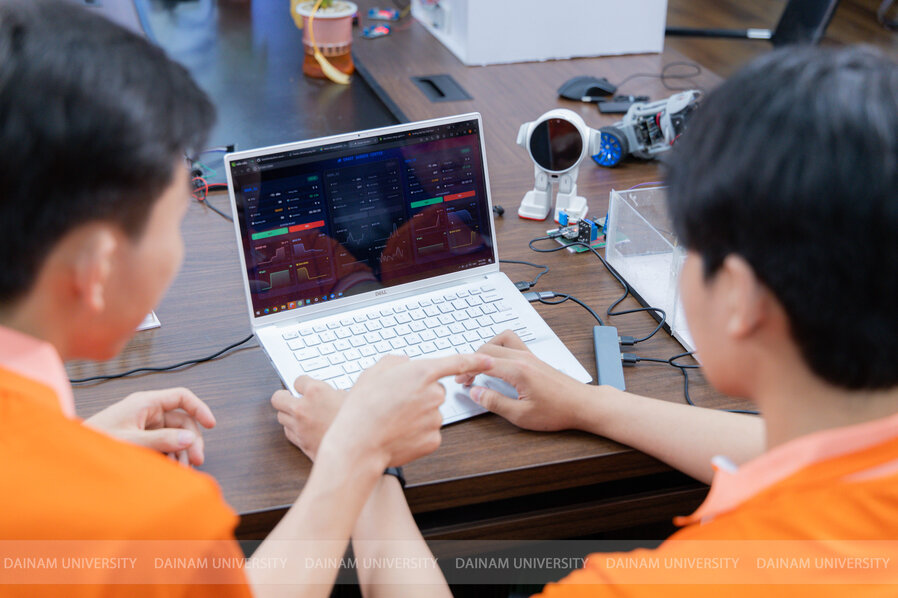
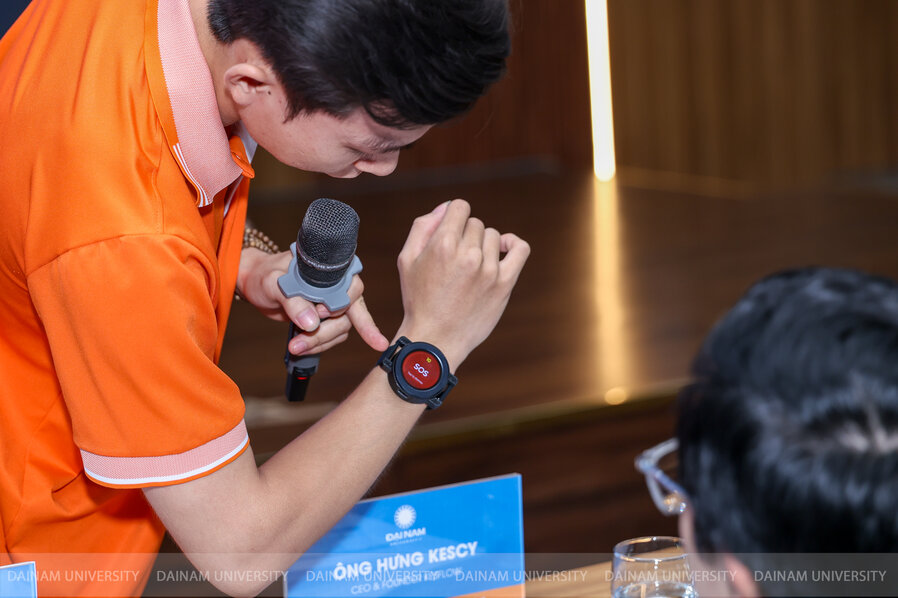
Students in the Faculty of Information Technology have practical sessions with exercises related to their specialized knowledge and the real-world requirements of the job.
From that perspective, the Faculty of Information Technology at Dai Nam University aims to shorten the gap between learning and working. Students are not encouraged to wait until their final year to engage with practical work, but are instead encouraged to work on projects, create products, and address career challenges early on.
“What I hope is that IT students, right from their first years, can create a product using their knowledge. If, by the end of their first year, students can secure a job that matches their specialization, create value, and continue to improve their skills through practical experience, then that is the direction of training we need to pursue,” shared Dr. Le Dac Son.
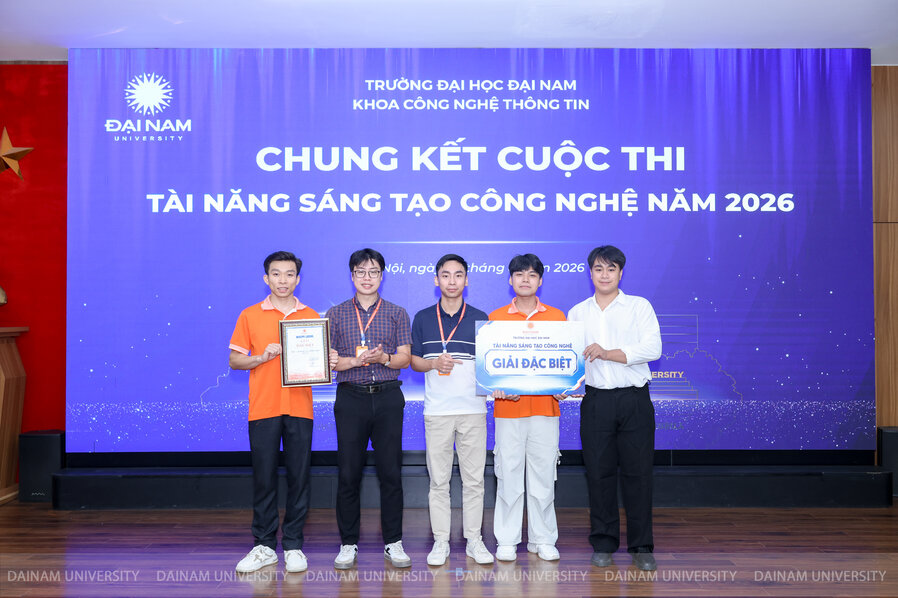
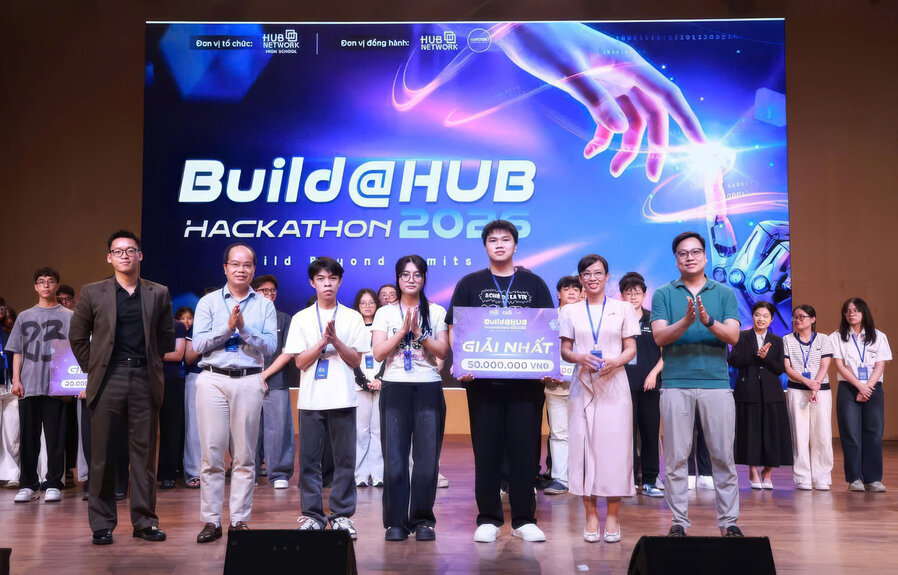
Students from the Faculty of Information Technology directly program, develop projects, and test products, transforming classroom knowledge into tangible results and awards at IT competitions.
Therefore, a project is not just about getting points; the product development process forces students to identify the problem, understand user needs, choose a solution, experiment, correct errors, and verify its practical value. It is also a process of transitioning from "knowing" to "being able to do."
Nearly 20 years of preparation to embark on a new journey.
To ensure that training is closely aligned with the market, businesses cannot simply appear at the end of the process to recruit students. Businesses need to be involved earlier: jointly defining problems, sharing technology, participating in projects, accepting student interns, and providing feedback on the learners' abilities.
This also places new demands on instructors.
"Knowledge is still very necessary, but knowledge is now widespread. Staying in an 'ivory tower' with books is not enough. Lecturers must step out into the business world, understand what businesses are doing, what they need, and what problems they are solving," said Dr. Le Dac Son.
When instructors understand the realities of the profession, businesses incorporate real-world problems into the training process, and students participate in projects, the gap between the classroom, businesses, and the labor market will be narrowed.
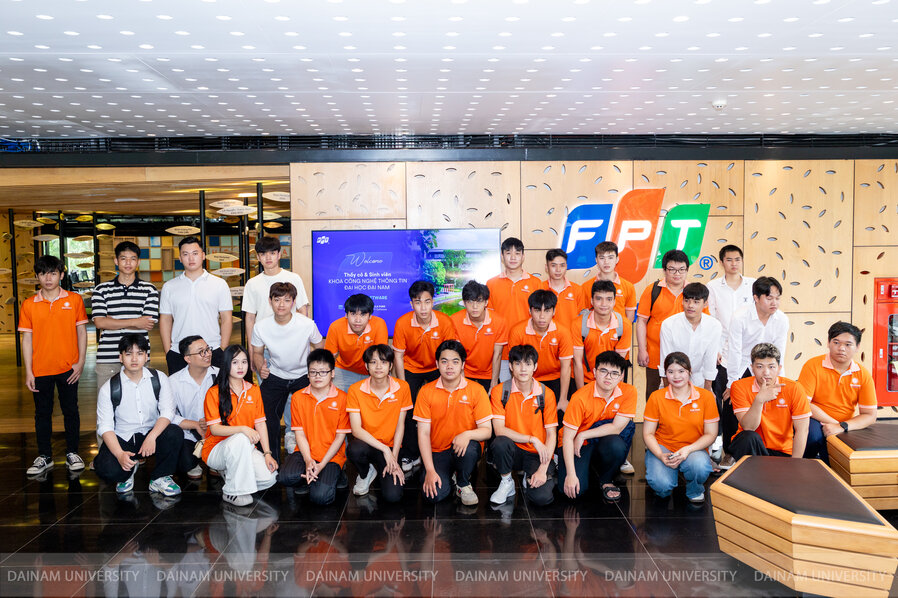
Nearly two decades is a long enough time for the Faculty of Information Technology at Dai Nam University to accumulate a team, training experience, and many generations of students. But in a rapidly changing field like IT, the past is only truly valuable when it serves as a foundation for further innovation.
Along with training, the Faculty continues to focus on developing research groups, building technological products, expanding cooperation with businesses, and increasing the ability to bring research results into practice.
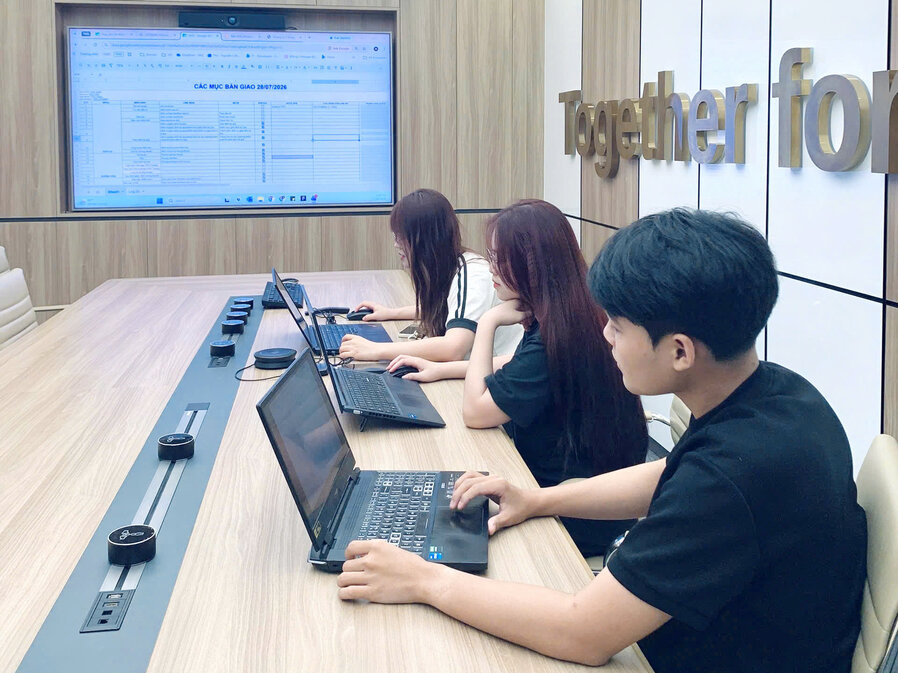
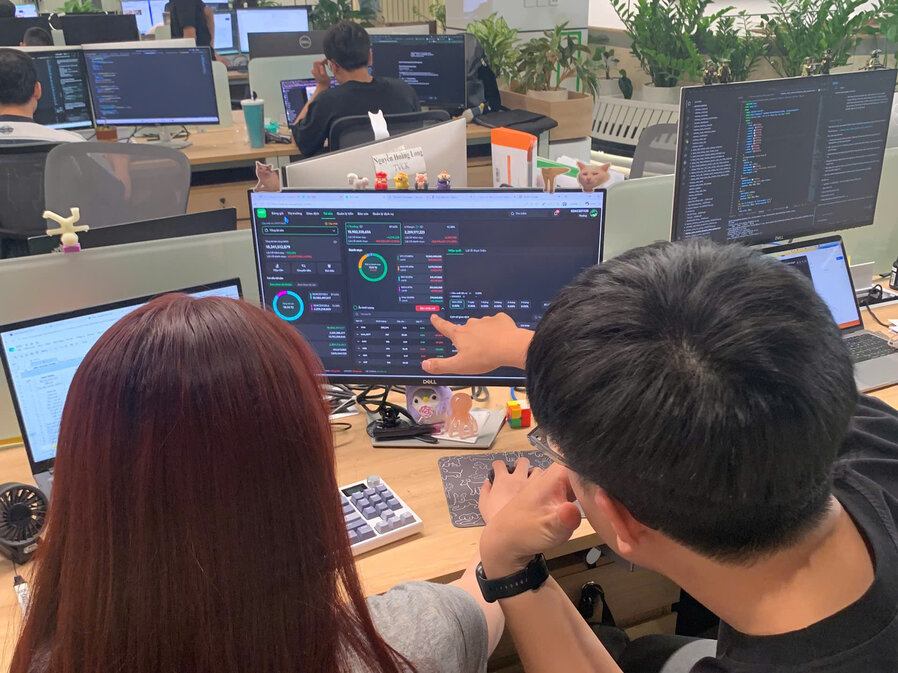
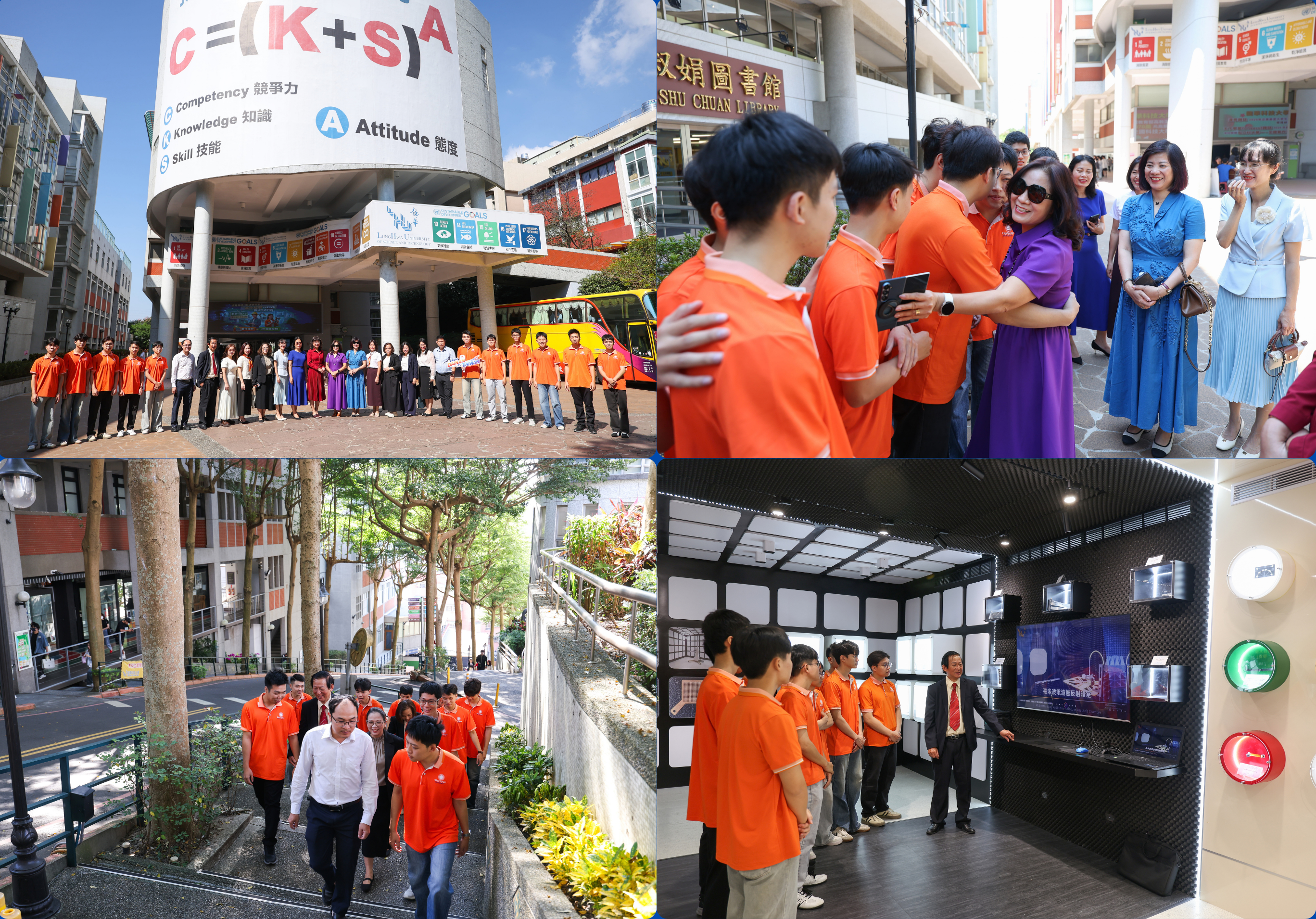
Students from the Faculty of Information Technology experience a real-world working environment at businesses, gaining exposure to career challenges and the demands of the labor market.
In the competitive landscape of hundreds of IT training institutions, a unique position cannot be created solely by a history of nearly 20 years. It must be proven by the quality of its students, by the products they create, by the business problems they solve, and by the value that generations of students create after graduation.
Technology will continue to change, and new tools will continue to emerge. But for IT students, the ability to understand problems correctly, learn, adapt, and apply technology to solve problems remains a lasting value.
BTT