English
 Tiếng Việt
Faculty of Business Administration and Marketing, Dai Nam University: 17 years of building a foundation - a journey of creating value and reaching new heights.



Seventeen years of a faculty's training is not measured solely in time, but also in the generations of students who have matured, the workforce that has entered the labor market, and the values they have contributed to businesses and society. For the Faculty of Business Administration and Marketing – one of the major faculties of Dai Nam University (DNU) – the 17-year milestone is not only an opportunity to look back on a journey, but also a setting of greater responsibility for the path ahead.
17 years - the value lies in the generations of students who have grown up.
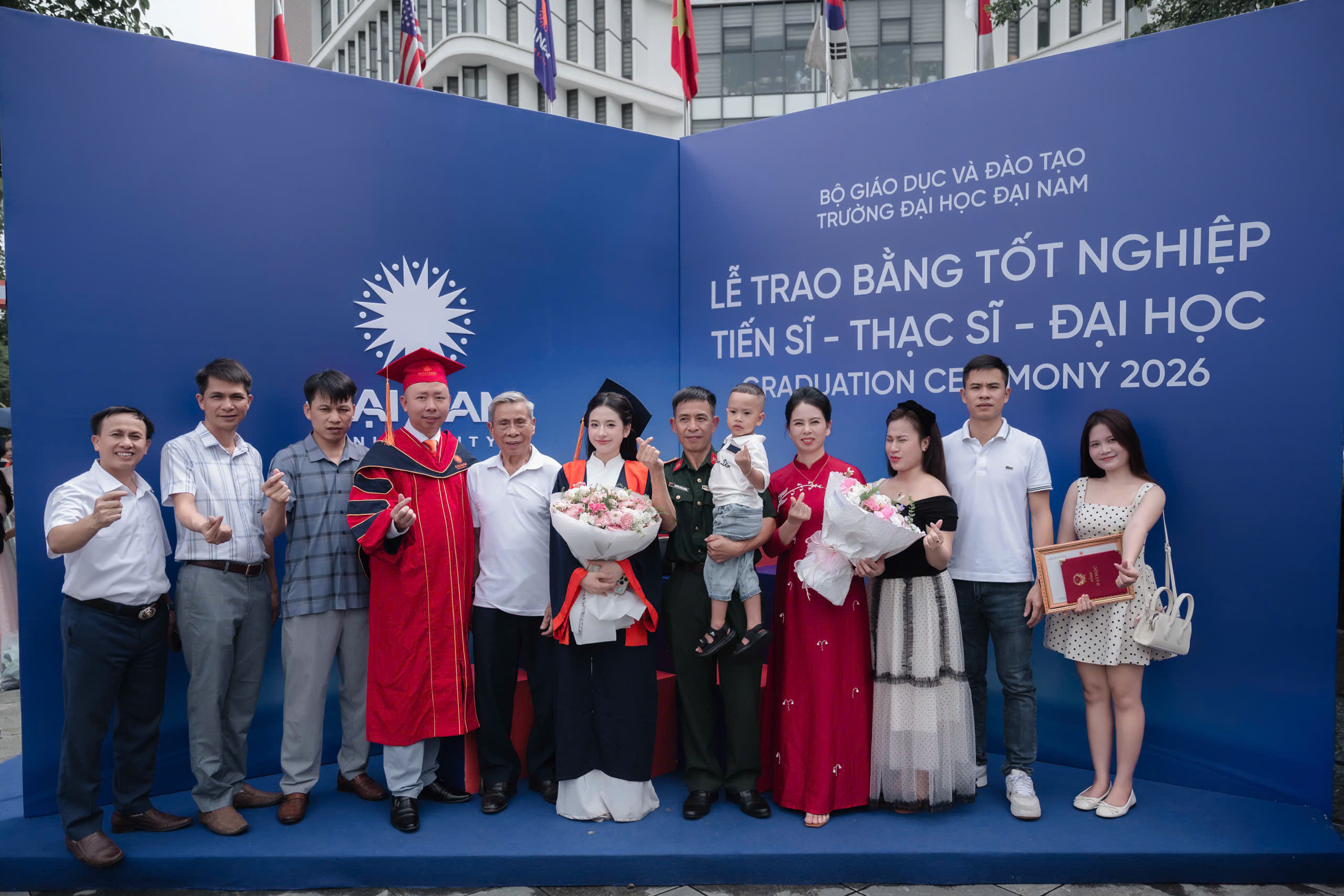
Seventeen years ago, the Faculty of Business Administration and Marketing started from its very foundations. Since then, it has been a continuation of many generations of leaders, lecturers, and staff; thousands of students have entered the lecture halls, studied, gained experience, and graduated to join the labor market.
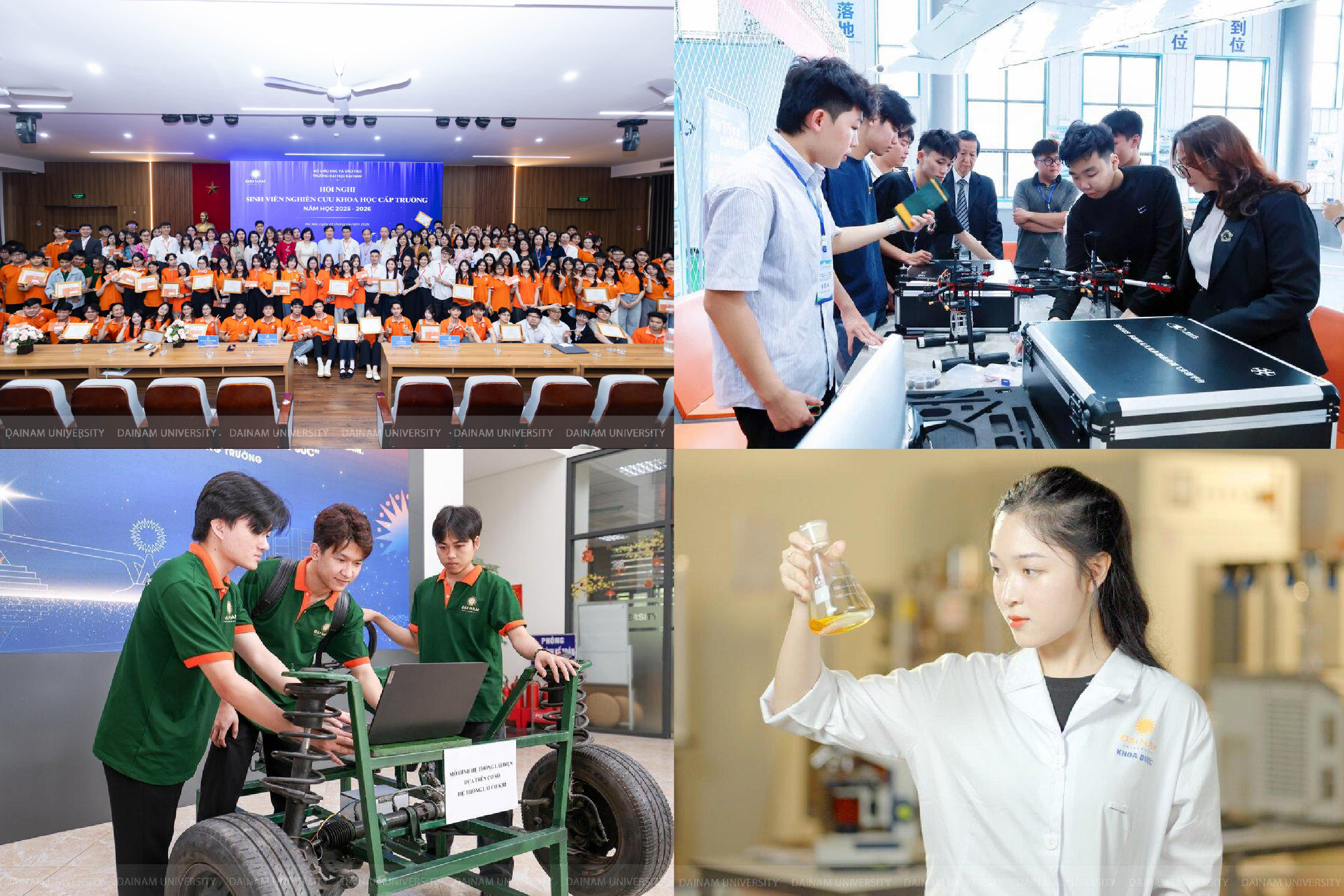
To date, the Faculty has trained 18 cohorts of students, with a graduate employment rate of 98%. Currently, the Faculty has nearly 2,500 students enrolled.
Many alumni are working in businesses and organizations; some have become managers, entrepreneurs, business owners, and have returned to support subsequent generations of students. That is the most significant "asset" of the past 17 years.
Because a management and marketing training department doesn't just produce degrees. The value of the department must be seen in the capabilities of the people it trains and the contributions they continue to make to businesses and society. Each generation of graduates is a part of the department's brand. More broadly, they carry the image of Dai Nam University into the labor market.
From a large faculty to a great responsibility for the Dai Nam University brand.
Within the training system of Dai Nam University, Business Administration and Marketing is one of the fields with a large number of students and extensive connections with businesses and the labor market. This scale brings prestige, but at the same time places a greater responsibility on the Faculty.
A large department needs not only a large student body but also a commensurate impact. This impact is primarily reflected in the quality of its graduates: are graduates competent, adaptable, and sought after by businesses? And how far have they developed after 5 or 10 years?
That influence also lies in the ability to connect businesses, conduct research, and transfer management knowledge; in the faculty's ability to bring practical experience into the classroom; and in the generations of alumni who continue to return and contribute to the Dai Nam community.
Therefore, the growth of the Faculty of Business Administration and Marketing is not just the story of one unit. It is an important part of building the reputation and brand of training at Dai Nam University.
As the market changes, so must management training.
Seventeen years is a long time, but the changes of the last few years may have been faster than the previous years combined. AI, data, and technology are transforming how businesses market, sell, manage human resources, operate, and make decisions.
Jobs that once required a large workforce are being automated. Knowledge that was once considered an advantage can quickly become commonplace as AI can provide it in seconds.
In this context, the question for a management training program is no longer just: "What do we teach our students?", but must go a step further: "What can our students actually do after completing their training?"
That is also why Dr. Le Dac Son, Chairman of the University Council of Dai Nam University, set the requirement of "real teaching - real learning - real measurement," while emphasizing training according to OBE output standards.
Businesses don't hire people with impressive transcripts to display in their offices. They hire people who are capable of getting the job done. Therefore, the quality of training must ultimately be measured by the learners' actual abilities.
2030 - not just about expanding in scale, but also about improving quality.
Building upon its 17-year foundation, the Faculty of Business Administration and Marketing is entering a new phase of development with a strategy extending to 2030.
Associate Professor Dr. Truong Duc Thao, Head of the Faculty, identified the focus of the next phase as improving the quality of training, developing the faculty, strengthening research, expanding cooperation with businesses, and incorporating technological changes into the training process.
The goal is not just to have a larger Faculty, but more importantly, to build a Faculty that is stronger in terms of staff, more substantive in its training, deeper in its relationships with businesses, and clearer in terms of the competencies of its graduates.
DNU's management and marketing students must be prepared to work in an environment where AI becomes an everyday tool, data forms the basis of decision-making, foreign languages broaden career opportunities, and skills, attitudes, and adaptability determine how far a person can go.
That is also how a large department continues to contribute to the overall competitiveness of the University.
SMART MBA - From workforce training to management skills development
In that journey, the launch of the SMART MBA program marks a new milestone.
While undergraduate education contributes to preparing human resources for businesses, postgraduate education sets a higher standard: it contributes to enhancing the capabilities of those who are currently and will be involved in the management and operation of organizations.
The SMART MBA was developed in the context of AI and data profoundly changing management practices. Today's managers need to understand not only finance, human resources, marketing, or strategy, but also how to use technology, read data, leverage AI, and, more importantly, make decisions that technology cannot handle on its own.
Therefore, the SMART MBA should not be viewed simply as the Faculty adding another training program. This is a step towards expanding the Faculty's role: from training human resources to participating in developing management capabilities for businesses and society.
17 years of building the foundation - the road ahead to making an impact.
Looking back over 17 years, one can speak of those who laid the foundation, the generations of teachers who have continued the work, and the generations of students who have matured. But the history of a university faculty is not just found in commemorative photographs. That history continues to be written by the very people that the Faculty trains each year.
A student from Dai Nam University who excels in their work is a valuable asset. A former student who becomes a manager, entrepreneur, or job creator is an even greater asset. A generation of competent, kind, and contributing students will build lasting prestige for a training institution.
When thousands of such individuals enter society, they collectively build the brand of a university.
Therefore, the journey ahead for the Faculty of Business Administration and Marketing is not just about the Faculty's own development. It is also about the responsibility to continue building quality, creating generations of truly capable students who contribute to businesses and society, thereby helping to enhance the prestige and brand of Dai Nam University.
Seventeen years have laid the foundation. The 2030 strategy opens a new chapter. And the ultimate measure will remain clear: what kind of people the Faculty has trained, what value they have created for society, and how Dai Nam has been recognized by the market based on those individuals.
BTT