English
 Tiếng Việt
Club Day is just one day, but the experience can last you all your college years.



Club Day 2026 only lasts one day. But behind the lively atmosphere lies what Dai Nam University (DNU) wants to offer its students throughout their university years: an environment where they can choose, challenge themselves, interact, connect, and grow step by step.

University is more than just a lecture hall. Specialized knowledge provides students with a foundation to enter a profession, but to enter life, young people also need to know how to work with others, organize their work, solve problems, take responsibility, adapt, and understand themselves.

There are things students learn from books, but there are also things they only learn through doing, through experience, and through practice. Clubs are one such environment. Club Day 2026 is an opportunity for students to see these doors and choose one they want to try stepping through.
40 clubs - 40 colors - thousands of personalities converge at Club Day 2026 of Dai Nam University (DNU), opening up many options for K20 students to connect, test themselves, and discover their potential.
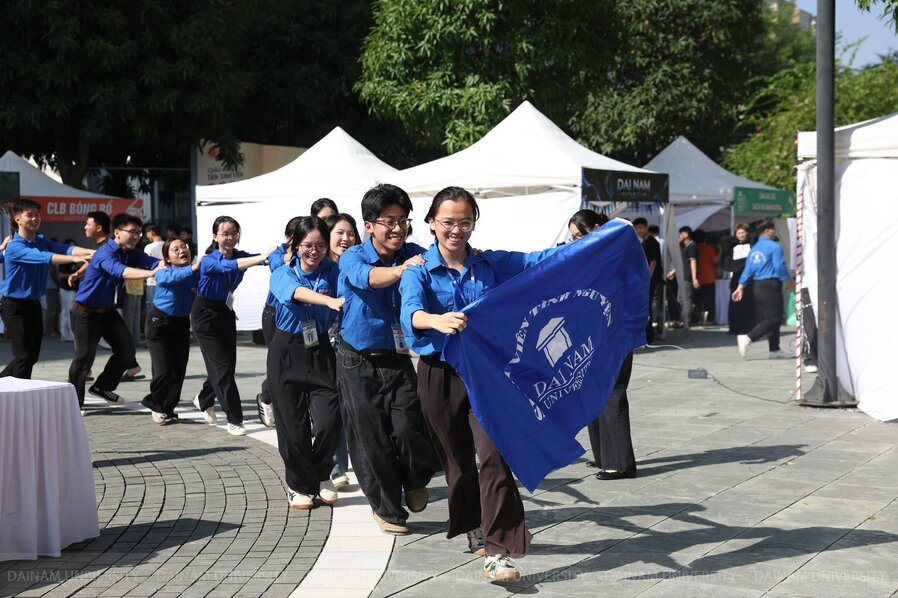
There are some things you have to try to know.
Ngoc Ha, a K20 Business Administration student, came to Club Day 2026 with a rather simple thought: to see what clubs DNU has, how they operate, and whether any activities suit her. Among nearly 40 different clubs, Ha stopped at those that piqued her curiosity, proactively chatted with them, learned more about them, and tried out a few activities.
"What I like is that I get to choose. Each club has its own unique character, so I can see what I like and what environment suits me best. There are things I never thought I'd try before, but after experiencing them, I realized I'm also interested in them," Ha shared.


Ha's story is also a common story for many first-year students. When entering university, not every student immediately knows what they like, what their strengths are, or what direction they want to develop in. Some students are shy but after a few times speaking in front of a group, they realize they can speak better than they thought. Some students participate in a program and discover they have organizational, creative, or networking abilities. Some students find a group of friends through a hobby, but others, after trying a certain activity, realize it's not right for them.
Both outcomes are valuable. Young people need opportunities to experiment, because only through experimentation will students discover what they like, what they can do, what they lack, and what path is right for them.

It's not about choosing many options, but choosing the right one for yourself.
Nearly 40 clubs at DNU span various fields such as foreign languages, academics, scientific research, entrepreneurship, technology, business, media, arts, sports, and community activities.
Nearly 40 clubs represent nearly 40 different colors, but the number of choices doesn't mean students have to try to join as many as possible. The important thing is that each student has enough options to find a color that suits their interests, abilities, and aspirations.
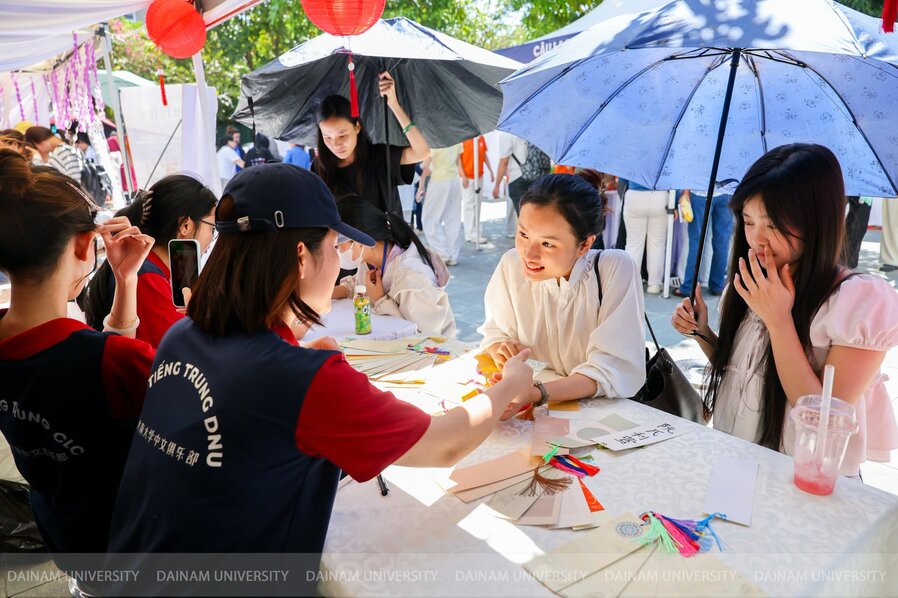
According to Vu Dang Tuan Anh, Secretary of the Youth Union of Dai Nam University: “The Youth Union does not aim for students to participate in as many clubs as possible. What we hope is that students find an activity they truly enjoy, get to try, and actively choose. As long as after one experience, they understand themselves a little better, then that activity is meaningful.”
A student might join a club because of a love for football, dancing, foreign languages, media, or scientific research. However, when working together on a program, project, or activity, the story is no longer just about shared interests.
An idea needs people to implement it in order to become a reality. Collaborative work can lead to disagreements, and any incident that arises always requires someone to handle it. When given a task, students must also learn to pursue the work and take responsibility for the final outcome.
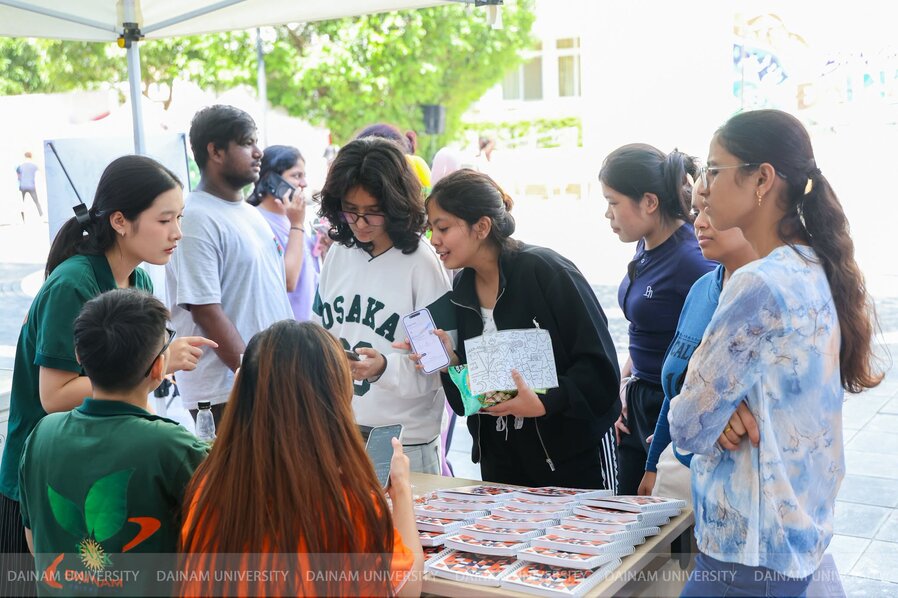
During this process, students may experience moments of joy and fatigue, successes and shortcomings that need improvement. These very normal situations help students learn how to work with others, listen, persuade, solve problems, and take responsibility for their actions.
These skills cannot be developed in just one Club Day. They are accumulated little by little through activities, work, and experiences throughout the student years.
Club Day is over, but the story may just be beginning.
Club Day will eventually end, and over 40 booths will close. However, after the event, a student may have found a club they want to join, made new friends, started a new hobby, or discovered a previously unknown ability.
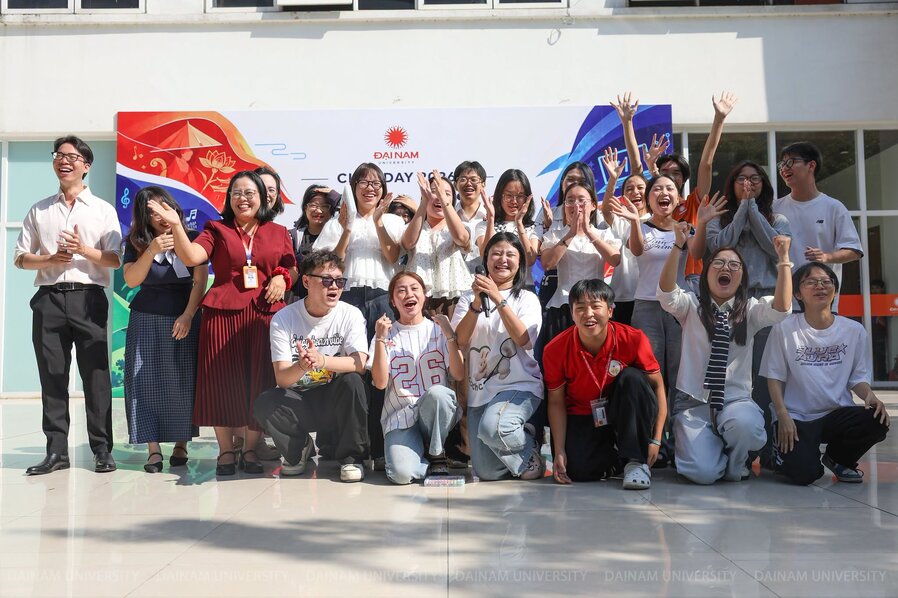

A student might also dare to step out of their shyness for the first time. Looking back a few years later, a club that was once joined "just for fun" can become an environment that helps students learn how to work, how to live in a group, how to take responsibility, and preserve beautiful friendships from their student days.
Those are the values that might remain after a Club Day.
The classroom provides students with knowledge. Practical activities and hands-on experience help students understand their chosen profession. Experiences outside the classroom help young people gain a deeper understanding of life and themselves.
For K20, today's story might begin with a very simple question: "Which club should I choose?". But what DNU hopes for after the university years is not how many clubs students have joined, but that after trying, doing, and experiencing, they understand themselves better, mature more, and find their own unique identity.
Club Day only lasts one day. But the experiences that begin that day can stay with students throughout their college years, and perhaps even longer.
BTT