English
 Tiếng Việt
177 students return from Harbin: What they bring back is more than just HSK.



After a year of studying at Harbin Normal University (China), 177 students from Dai Nam University returned with varying results: some conquered HSK 7, others achieved HSK 6, some overcame their fear of communication, and some even clearly defined their desired career paths for the first time. But behind these certificates and achievements lies a year living in a native-speaking environment, becoming more independent, more confident, and gaining experiences that helped them understand themselves and their future paths.
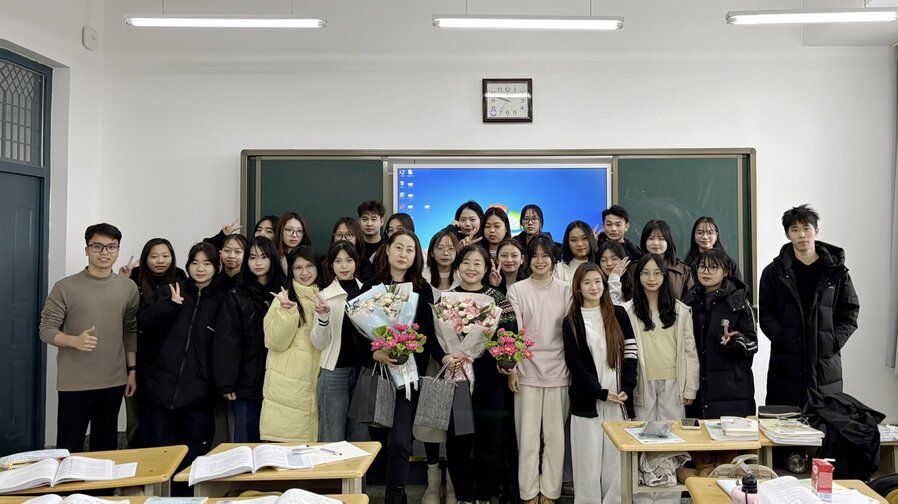
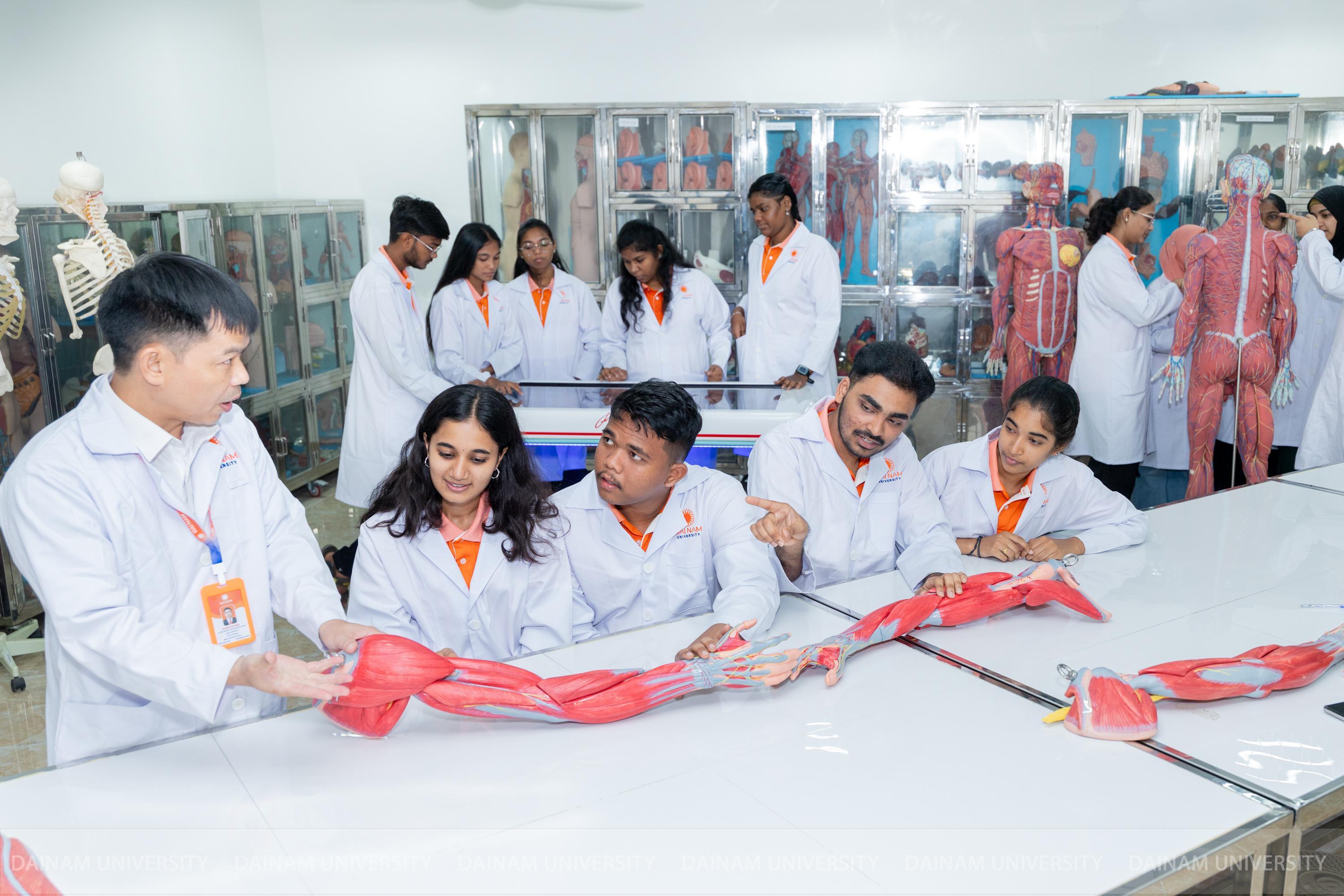
Students from Dai Nam University in a class at Harbin Normal University, where Chinese is used throughout the course of study and in daily life.
From HSK 6 to HSK 7: When competence is challenged in a real-world environment.
Before going to Harbin, Tran Ngoc Anh, a student in class TT17-16, had already achieved HSK 6 with 250 points. For many Chinese language learners, this is a significant milestone, but Anh herself did not set a goal of conquering HSK 7 during her exchange year. It was the ten months of living and studying in a native-speaking environment that made her re-evaluate her abilities in a different way.
The first few days in Harbin weren't entirely easy. Away from family, adapting to the weather and the new pace of life, and handling tasks that she used to rely on family support for, Anh had moments of uncertainty.
"Up until now, when I had family, teachers, and friends by my side, I didn't pay attention to many things because there was always someone to support me. But here, there are things I have to find ways to solve on my own. It was stressful at first, but after a while, I realized I could do more than I ever thought," Anh shared.
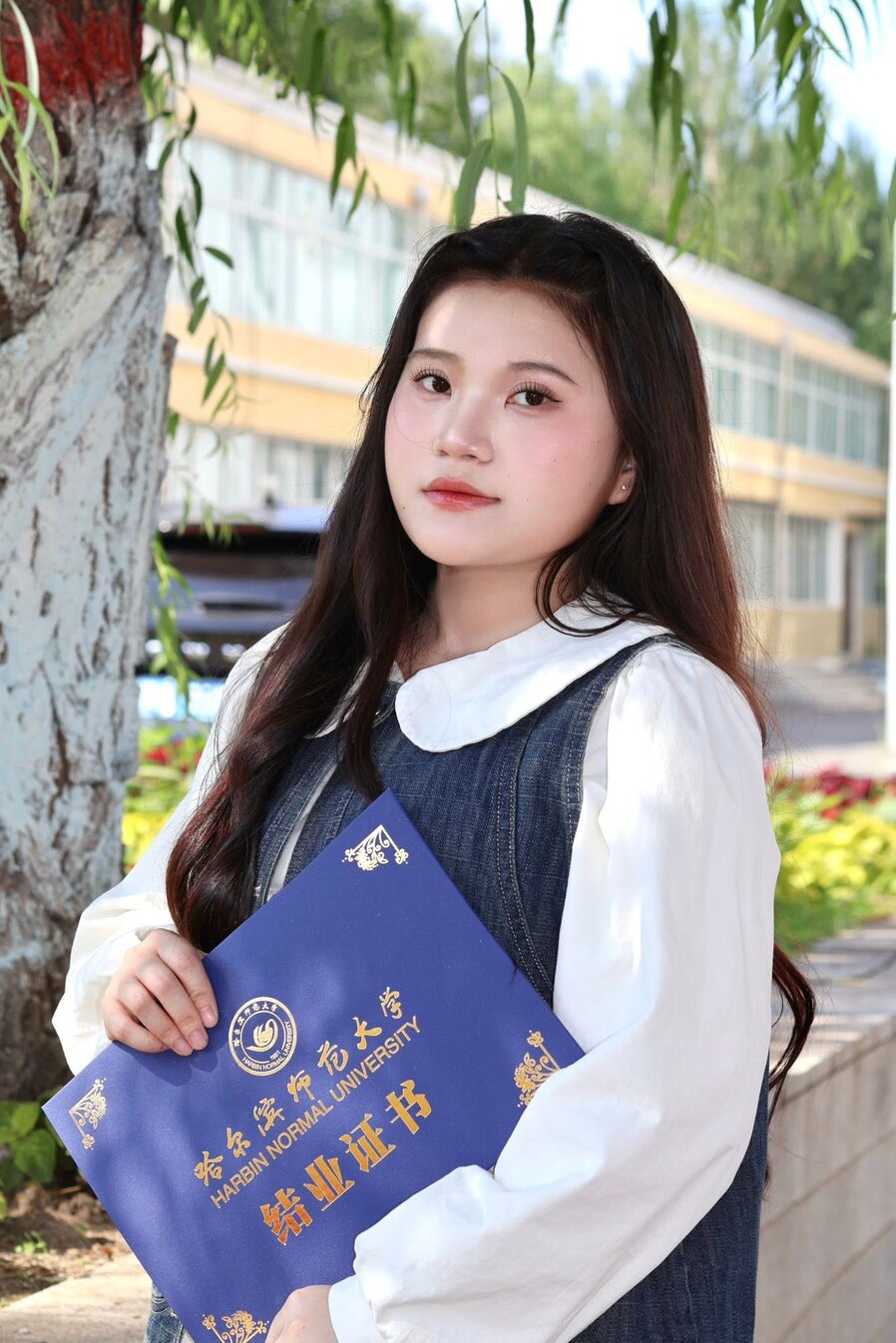
Tran Ngoc Anh, a student from class TT17-16, returned with an HSK7 score of 335 after a year of studying and using Chinese in a native-speaking environment.
This change gradually manifested itself in how she adapted to her new environment. From a shy international student, Anh proactively participated in activities, communicated more, and took on the role of class president in her very first semester.
This job also forced her to change, as she frequently communicated with teachers, connected with classmates, handled unexpected situations, and learned to view problems not only from a personal perspective. At the end of the school year, Anh earned the title of Outstanding Student for both semesters and the entire year.
However, the most memorable decision came just two weeks before her return home, when Anh registered for the HSK 7 exam. “Everyone else had already started preparing to go home, but I thought if I didn’t try this time, I might regret it later. I told myself to just take the exam to see where I stood.”
During the HSK exam, four consecutive hours in the examination room became one of the most stressful periods of the trip. Without many months of dedicated preparation, her greatest asset was her accumulated knowledge and ten months of daily Chinese practice in Harbin. As a result, Ánh achieved HSK 7 with 335 points.
"I think what makes me happiest isn't just the grades. A year ago, I probably wouldn't have been confident enough to make such a decision. But after a year here, I want to try more, to dare to do more."
A year ago, Anh started her studies with HSK 6. A year later, she returned with HSK 7, the title of Outstanding Student, and, more importantly, the confidence she had built through her own practical experiences.
From being hesitant to speak up to confidently using Chinese every day.
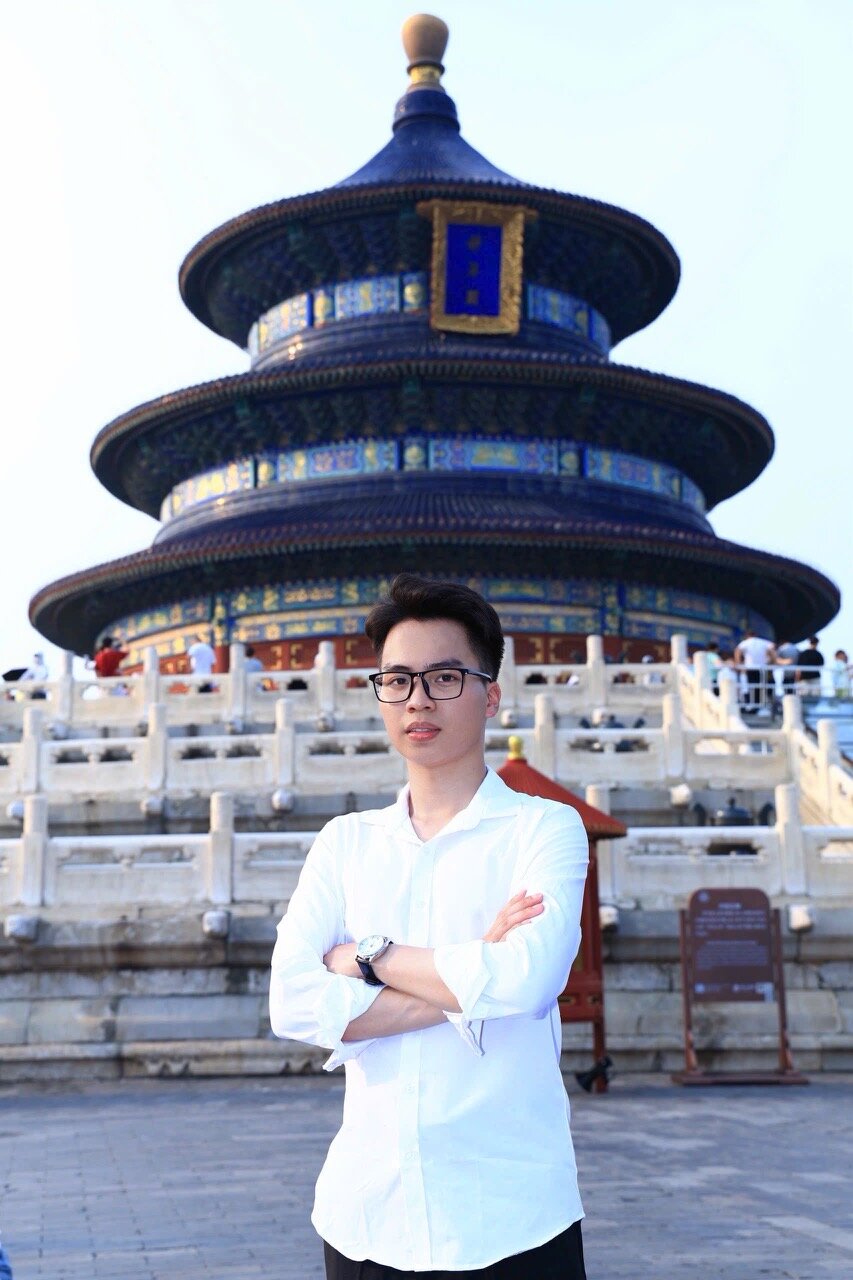
Bui Van Doan, a student in class TT18-26, used to be hesitant to communicate in Chinese but has gradually gained confidence in using the language in his studies and daily life.
If Ngoc Anh's maturity is demonstrated by her progress from HSK 6 to HSK 7, then for Bui Van Doan, a student in class TT18-26, the most noticeable change began with something seemingly small: daring to speak up.
Before going to China, Đoàn already had a basic understanding of Chinese, but communication remained a barrier.
" I understand what others are saying, but when it comes time to respond, I'm afraid. I'm afraid of saying something wrong, afraid that people won't understand, so sometimes I choose to speak less." However, in a native-speaking environment, using Chinese has become almost an essential part of life, from communicating with teachers and friends to asking for directions, shopping, and solving everyday problems.
"At first, every time I needed to ask someone a question, I would think about it for a long time. But later, I just spoke up, and if I was wrong, I would correct it," Doan recounted.
The change doesn't come from one big moment, but is formed through very ordinary situations: asking for directions, a conversation with international friends, or an exchange with teachers without having to prepare each sentence in advance.
One day, Đoàn realized he could speak a fairly long passage in Chinese without having to translate each sentence from Vietnamese in his head. At the end of the exchange program, the student achieved HSK 6, but when looking back on his year in Harbin, what Đoàn mentioned more than the certificate was the change within himself.
"The HSK6 result makes me happy, but what I've noticed most is that I'm no longer afraid to communicate like before. Now I can proactively talk and handle situations in life in Chinese."
For Đoàn, HSK 6 was a milestone, but the ability to use the language naturally and confidently in life is the real value of a year of studying in China.
From a love for the Chinese language to choosing a career as a teacher.
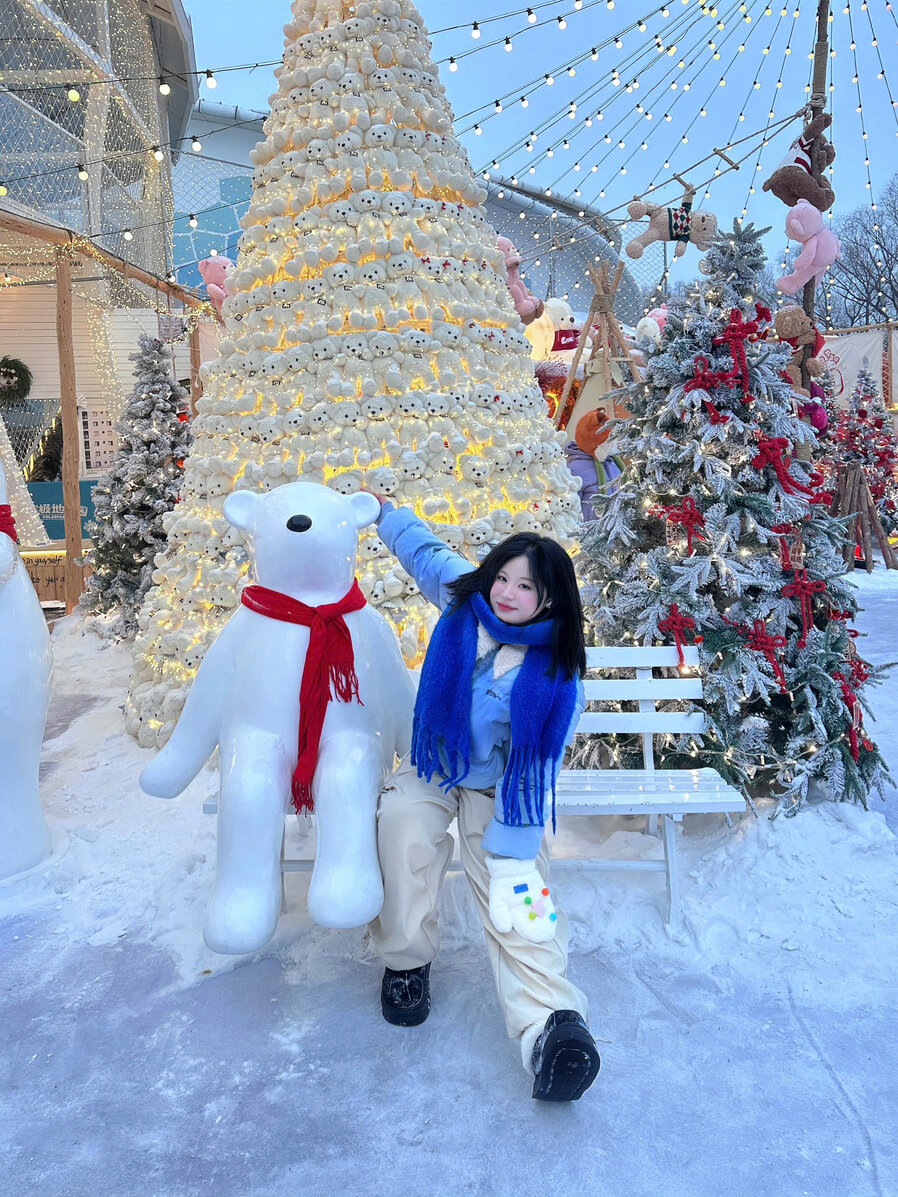
Luong Thi Huyen Trang, a student in class TT18-26, has set her sights on becoming a Chinese language teacher after one year of studying at Harbin Normal University.
For Luong Thi Huyen Trang, a student in class TT18-26, the biggest change after a year in Harbin couldn't be measured by a certificate. Before leaving, Trang knew she loved the Chinese language, but what she would do with it in the future remained an unanswered question.
A year of studying at Harbin Normal University gave the female student more experience to find the answer. “I think I liked Chinese before, but liking a subject and deciding to pursue a career related to it are two different things. Coming here, studying at a teacher training college and interacting with the teachers, I started to think more seriously about becoming a teacher.”
Trang not only observed the lecture content but also paid attention to how the teachers conveyed knowledge and inspired the learners. “There were times when I observed how the teachers taught and thought, if I could help students love Chinese in the same way I was inspired, that would be a very meaningful job.”
During her time studying in Harbin, Xuan Trang received an outstanding scholarship from the Department of Chinese Language. However, what was even more meaningful to her was perhaps determining her future path: "Now I want to become a Chinese language teacher."
What do the next 175 students want to return to?
In the 2025-2026 academic year, 177 students from Dai Nam University completed their exchange program at Harbin Normal University. Their achievements varied: some gained HSK 7, others conquered HSK 6, some overcame their fear of communication, and some discovered their desired career paths. For many students, a year away from home was also the first time they truly learned to take responsibility for their studies, lives, and choices.
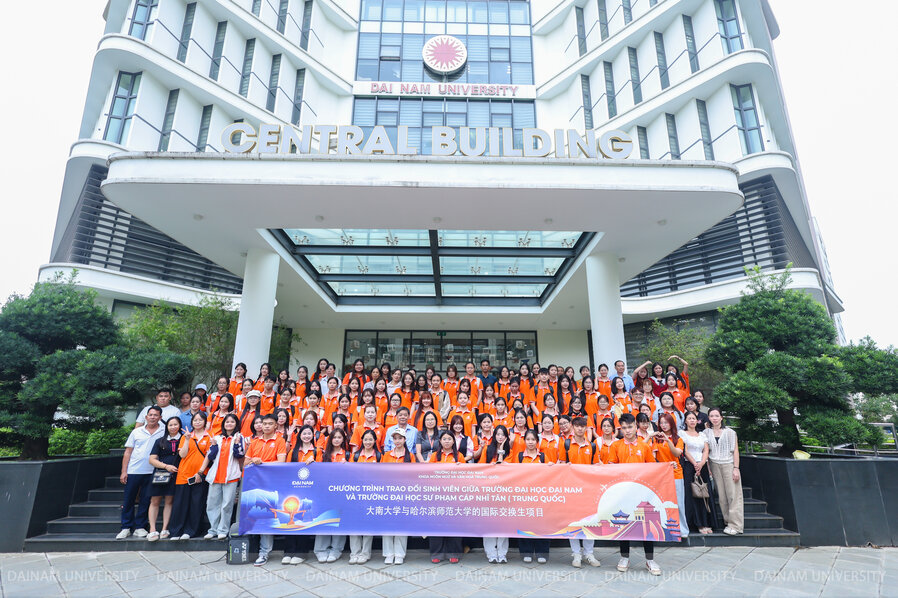
The exchange program provides an opportunity for Dai Nam University students to experience the learning environment, culture, and life in China.
Continuing that journey, on September 3rd and 5th, 175 students from Dai Nam University continued their trip to Harbin, beginning their exchange program for the 2026-2027 academic year. Before their departure, each student may have had different goals, but they probably all shared the same question: When I return in a year, what more do I want to have that I don't have today?

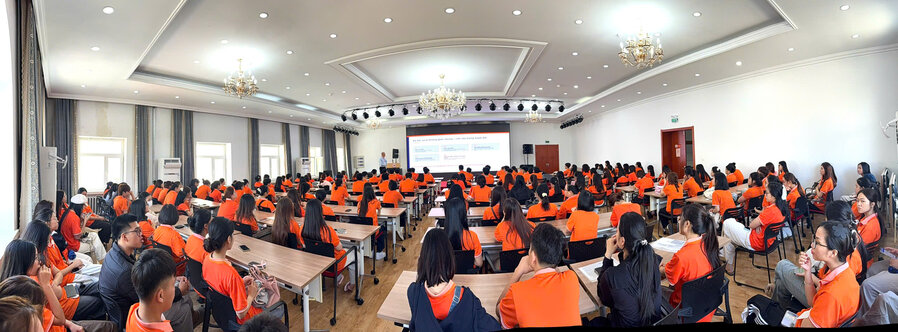
The experiences in Harbin not only help students improve their Chinese language skills but also build confidence in life and better define their future paths.
It could be a higher HSK certificate, a more natural command of Chinese, independence, international friendships, or simply clearer answers about career and the future. 177 previous students have returned with their own answers; 175 students who have just departed will also begin their journey to find their answers.
In another year, they may return with different certificates and achievements. But perhaps the greatest value of the journey doesn't lie in bringing back another certificate, but in the more important question: How are those who return different from those who set out?
BTT