English
 Tiếng Việt
Tet - A lesson in maturity that young people don't learn in the classroom.



Cao Hoa
For many young people, Tet (Lunar New Year) often begins with two very familiar words: "getting a break." A break from school, a break from part-time jobs, a break from deadlines, a break from the endless rush between school and work schedules. But if you think about it more deeply, Tet is not just a pause for rest. Tet, in fact, is a very special lesson about growing up, a lesson not found on the blackboard, not in textbooks, but one that everyone must learn: maturity.
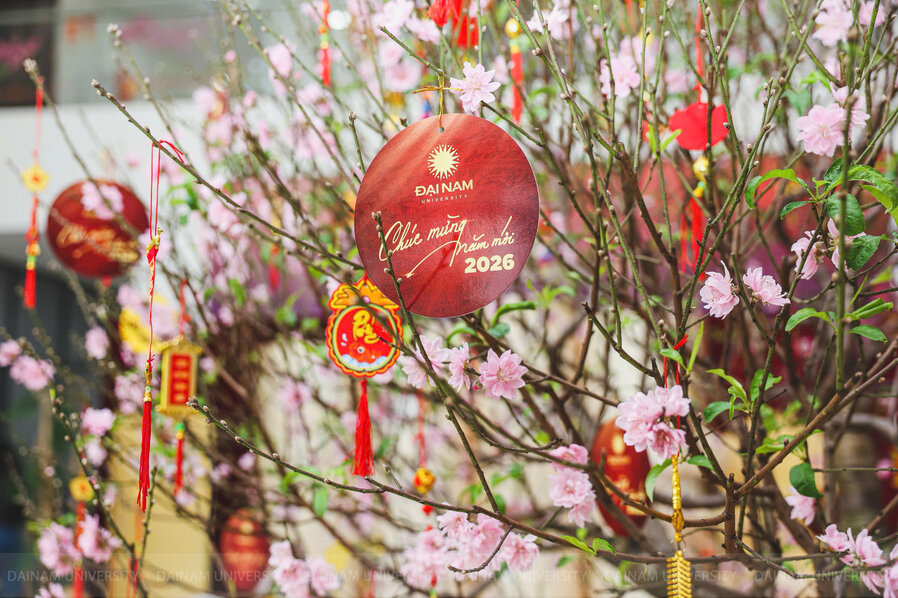
As Tet (Lunar New Year) approaches, the pace of life suddenly changes. The city becomes more crowded, the streets more congested, and everyone is in a hurry. Some are busy finishing up work, others are busy booking bus tickets, and still others are calculating whether they'll make it home in time this year. In this rush, young people begin to realize something: they no longer live only for themselves. Every small decision—whether to return home early or late, for how many days, or what to bring—is connected to the expectations of those back home.
There comes a moment when you suddenly realize that your excitement for Tet (Lunar New Year) is no longer just about receiving lucky money or having a long holiday. Instead, it's the feeling of wanting to get home in time for the New Year's Eve dinner, wanting to be present when the whole family cleans up, wanting to hear old stories that seem familiar, stories you've heard countless times before. It is at that moment that many people realize: they are entering a different stage of adulthood.
Maturity isn't about how much money you earn or what position you achieve. Sometimes, maturity begins with very small things: proactively helping the family with housework, knowing how to cook a meal, waking up early to go to the market with mom, reminding parents to take care of their health. These things, viewed individually, seem insignificant. But collectively, they tell you something important: you're no longer just someone "being cared for," but learning to "care for others."
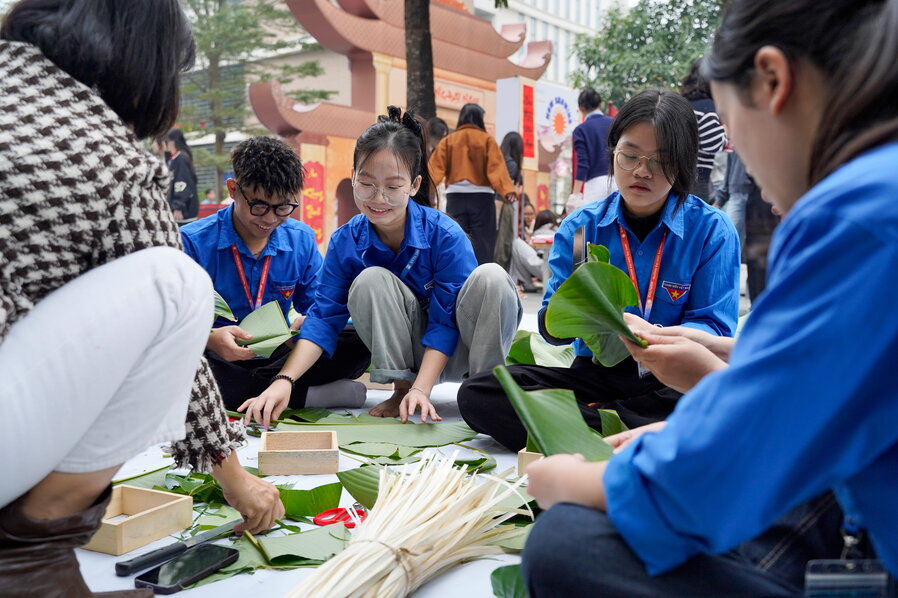
Learning to wrap each banh chung (traditional Vietnamese rice cake) is also a way for young people to learn to "slow down" and continue traditional lessons every time Tet (Vietnamese New Year) comes around.
Changes happen very subtly. In the past, Tet (Lunar New Year) meant riding on the back of an adult's motorbike to visit relatives. Then, at some point, you start driving. Not just driving the motorbike, but also taking on a part of the responsibility: taking grandparents to religious ceremonies at a leisurely pace, ensuring parents visit all relatives, and arranging schedules so no one has to wait too long. These tasks aren't assigned or graded, but they are very real "tests" of growing up.
Then there's a very simple moment that many people remember for a long time: the first time they used money they earned themselves to give to their parents during Tet (Lunar New Year). The amount might not be large, perhaps even very small. But the feeling is completely different. At that moment, people understand that the value of money lies not just in the number, but in the meaning behind it: it's gratitude, a desire to share, a way of saying, "I've started to stand on my own two feet, and I want to give some back to my family."
Tet is also a time when young people learn another lesson: the lesson of memory and continuity. Standing before the ancestral altar, lighting incense for their grandparents, many people realize for the first time that they are not just living for the present. They are standing in a longer flow, they are the embodiment of those who came before them, possessing values passed down through generations, and having the responsibility to preserve and continue them. Tet, therefore, is not just about fun and festivities, but also about remembering, being grateful, and understanding where they come from.
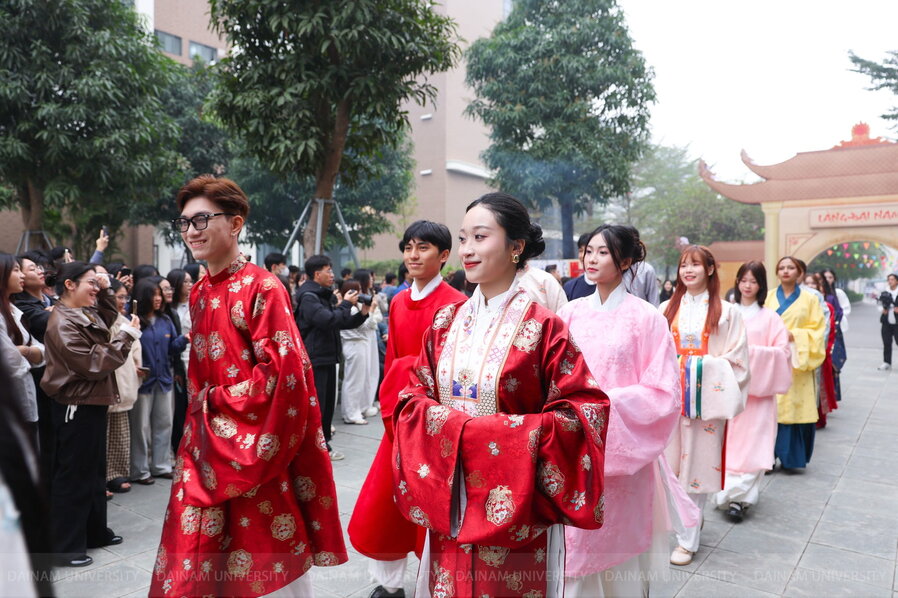 Young people today need opportunities to learn lessons about history and the responsibility to preserve and continue traditions.
The Lunar New Year holidays are also filled with gatherings: visiting relatives, wishing teachers a happy new year, dropping by the home of an old acquaintance, or simply sending a message to inquire about their well-being. Some encounters are very brief, some conversations lasting only a few minutes. But one thing is very important: young people learn to maintain relationships through genuine care and concern, not just through "likes" or a few polite social comments.
You might find that, as you get older, the anticipation for Tet becomes less boisterous, but the feelings deepen. It's no longer just about wanting to play and rest, but about wanting to be together completely. You long for a family meal. You long for an evening spent talking longer. You long for your loved ones to still be alive and well so you can return home.
Many people think that youth is about traveling far. That's not wrong. Travel to broaden your horizons, to learn, to experience, and to grow. But Tet reminds young people of something else: no matter how far you go, you need to know how to return home. Returning home isn't about stopping, but about recharging, remembering who you are, and why you started.
If life is considered a long learning journey, then Tet (Lunar New Year) is like a very special semester. There are no classes, no lectures, no exams. Just family, small things to do together, old stories retold, and warm moments of quiet reflection. But it is during this "semester" that people learn fundamental lessons: to slow down, to live more kindly, and to live more responsibly.
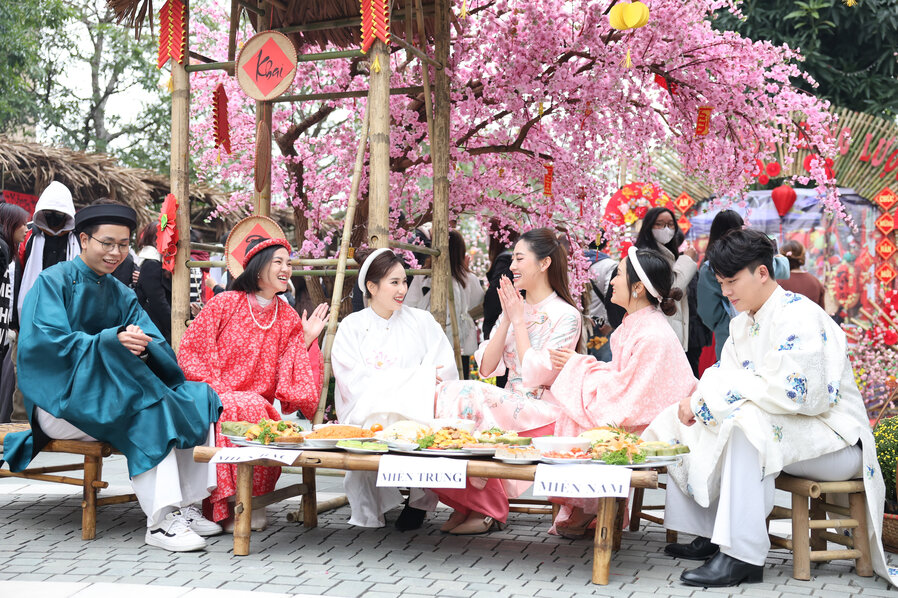
For young people, there are lessons not found in books, but in the New Year's feast, in the warm, smoky kitchen, in the slow pace of their parents' backs. And then one day, as they pack their bags to return to the city, they suddenly understand: they are not only carrying gifts from home. They are carrying unspoken hopes, unexpressed love, and a greater sense of responsibility. Leaving is to continue their journey, but also to honor those left behind. Because the future of each young person, ultimately, is not just their own story, but also lies in the peace of their family and in the betterment of the place where they live.
Cao Hoà