English
 Tiếng Việt
Research for impact: Scientific research must create real value.



A research project being approved, a paper being published, or a conference being held are all necessary outcomes of scientific activity. But research becomes even more meaningful when those results are further utilized: incorporated into lectures, developed into products, technologies, or solutions for businesses, or contributing to solving a community problem.
This is the spirit of Research for Impact (RfI) that Dai Nam University (DNU) has defined in its science, technology, and innovation development orientation for the period 2026-2030: research should not only aim to create knowledge, but also to create real value for learners, businesses, and society.
NOT JUST MORE, BUT BETTER AND MORE USEFUL
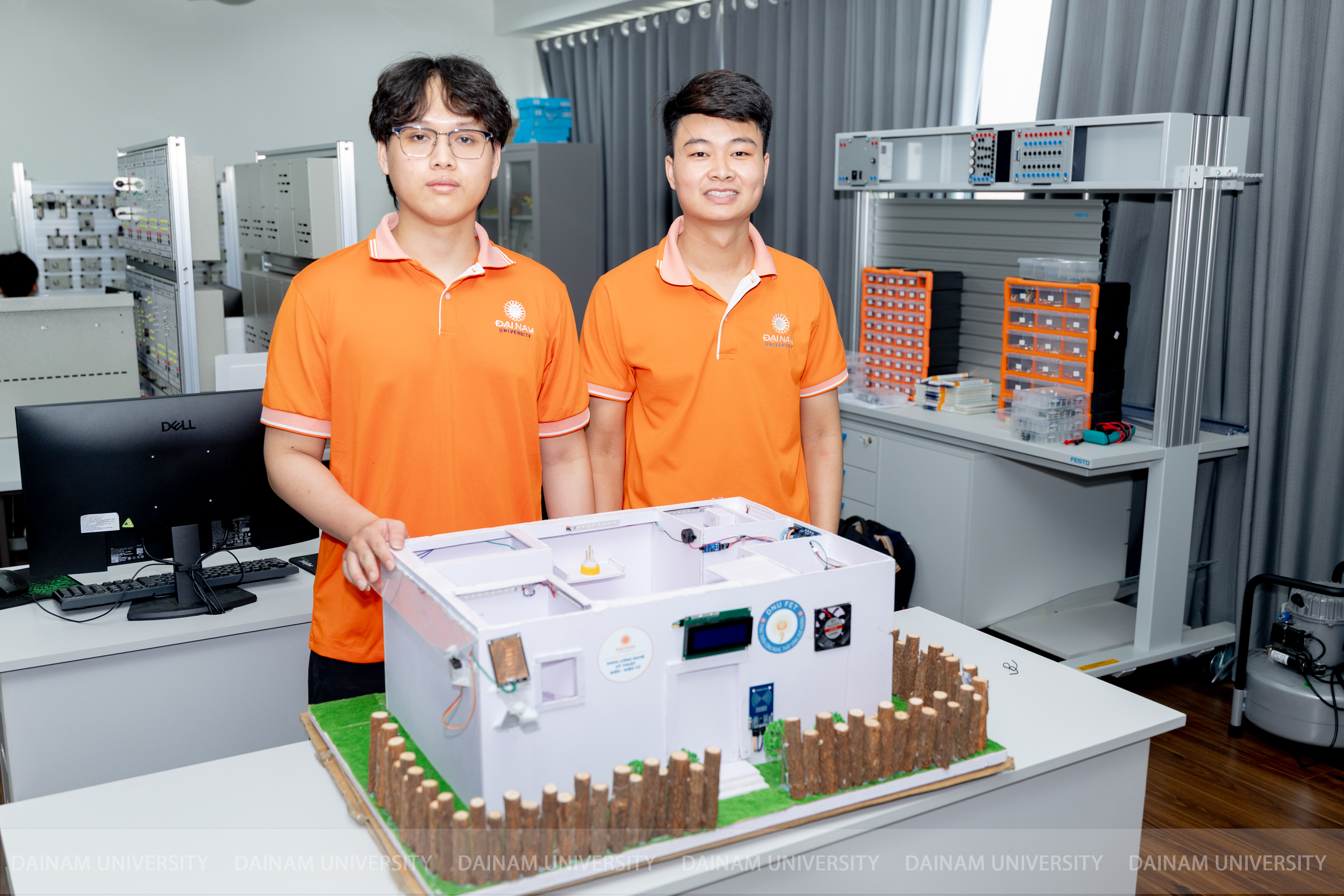
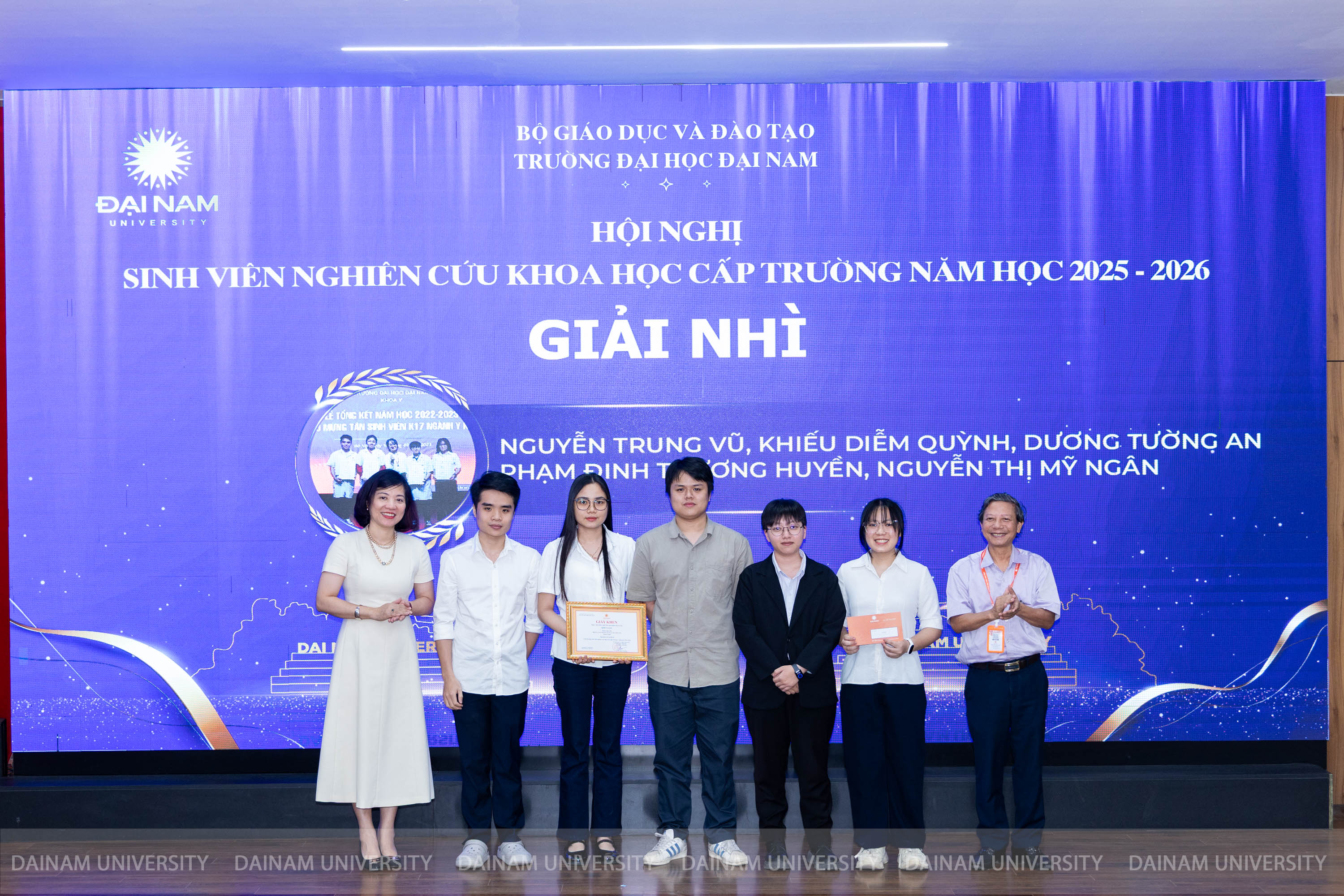
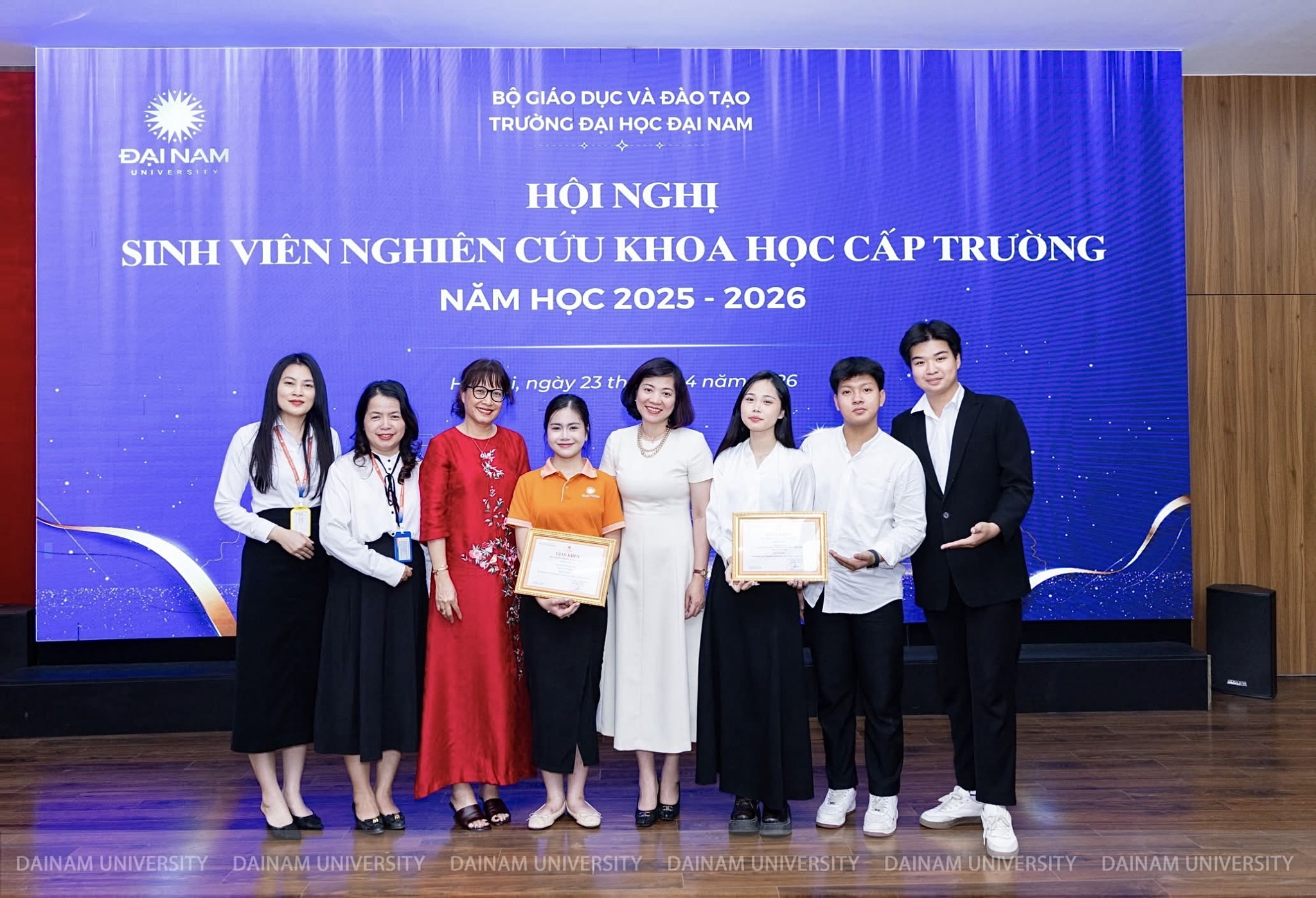
In the 2025-2026 academic year, science, technology, and innovation activities at Dai Nam University will continue to expand. The university will implement 35 scientific research projects by lecturers at all levels, achieving 145.8% of the plan; 227 student scientific research projects with 670 participating students; organize 19 domestic and international scientific conferences and seminars; and publish 530 articles and papers, including 61 articles listed in the ISI/Scopus database.
The numbers show that the scale and research capacity of the School are growing. But quantity is not the ultimate goal.
The next phase places a higher demand: not only to conduct more research, but also to improve the quality of research and the ability to generate value from the research results.
This means that a research project should not only be evaluated based on whether it is completed on schedule or approved, but also on answering more important questions: What problem is the research solving? What knowledge, product, or solution is it creating? Who can use the results? And how can the research results be further developed, applied, or transferred?
Professor Dr. Dao Van Dong, Vice Rector of Dai Nam University, emphasized: “The university's policy is to develop science, technology, and innovation in a substantive, focused, and impactful manner. Research must be linked to training, connected to businesses, and stem from practical problems. The quality of publications, the ability to create products, applications, and technology transfer are the factors that create the value of scientific activities in a university.”
RESEARCH MUST RETURN TO DOING A BETTER JOB THAN TEACHING AND LEARNING.
In a university, the first people who should benefit from scientific research are the faculty and students.
For faculty members, research helps update their knowledge, methods, and technologies in the field. But the value doesn't stop at publication. The knowledge gained from research needs to be returned to the classroom, helping to update training content, bring lectures closer to practice, and expose students to new issues in their profession.
For students, scientific research is an important way to move from learning knowledge to using that knowledge to solve problems.
When participating in a research project, students must learn how to ask questions, search for materials, collect and analyze data, verify results, work in teams, and defend their viewpoints. More importantly, they get to work with problems that do not have pre-existing answers.
This is also the process of developing the necessary skills for future work: critical thinking, problem-solving, data analysis, creativity, collaboration, and adaptability.
Therefore, one of the most important impacts of scientific research in universities must be seen in the quality of the teaching staff and the actual competence of the students.
TO BRING PRACTICAL PROBLEMS INTO UNIVERSITY
During the period 2026-2030, Dai Nam University will orient its science, technology, and innovation resources towards fields that can create value for education, businesses, and society, such as computational science, artificial intelligence, technology, health, economics, business, and humanities.
The important thing is not just what field to study, but also what problem to solve.
A problem in production or business operations can become a research topic. A healthcare issue may create a need for a new method or solution. A difficulty in teaching and learning may lead to research into a more effective training model. A community problem can also become a research question for faculty and students.
According to this approach, research activities are directed towards a clear process: Practical problem → Research → New knowledge → Product/solution → Testing → Application and transfer.
Research results, therefore, are not just scientific reports. They could be software, technology, a professional process, a healthcare method, a training model, a management solution, or a community service initiative.
When research begins with a real problem and aims for a usable outcome, the gap between the research lab and real life will gradually narrow.
BUSINESSES WORK TOGETHER TO SET THE PROBLEM AND FIND THE SOLUTION.
For research to create real value, businesses need to be more deeply involved in the research process.
Businesses have real-world operational problems, data, technology, and an environment for testing. Universities have experts, faculty, students, and research capabilities.
When these two resources are connected, businesses are not just recipients of the final results, but can also jointly formulate problems, conduct research, experiment, and evaluate the effectiveness of solutions.
This connection helps faculty research align more closely with practical needs, while also allowing students to engage with real-world professional issues during their studies.
Alongside its business connections, Dai Nam University continues to expand academic cooperation domestically and internationally through conferences, seminars, research projects, co-research, and co-publications. The goal is to broaden the network of experts, enhance knowledge exchange, and gradually improve the quality of research according to academic standards.
RESEARCH FOR IMPACT - WHERE IS THE VALUE OF THE RESEARCH SEEN?
An impactful study doesn't necessarily have to start with something grand. Its value can be seen in very specific ways.
For students, it is the competence developed through the research process and the ability to use knowledge to solve real-world problems.
For lecturers, it means new knowledge is created, professional competence is enhanced, and research results are returned to enrich the training process.
For businesses, this could be a technology, product, process, or solution that helps solve a specific problem.
For the community and society, this could mean a better healthcare approach, a more effective education model, a more appropriate management solution, or an initiative that contributes to improving the quality of life.
Research for Impact, therefore, does not mean downplaying the number of research topics, scientific publications, or conferences. These are still important indicators of research capacity. But science should not stop at what has already been researched and published. The next question should be: how are those results used and what changes do they create?
This is the shift that Dai Nam University is aiming for in the 2026-2030 period: from focusing on quantity to improving quality; from completing research projects to developing research results; from publishing knowledge to applying knowledge; from research within the university to connecting with issues of businesses and society.
Research for Impact - research that ensures knowledge doesn't remain confined to the pages of a book, but is transformed into real value for learners, businesses, and life.
BTT