English
 Tiếng Việt
From YOSAKOI and cosplay to tea ceremony: How Dai Nam University helps students "live" in a global environment.



The sound of yosakoi drums echoed across the campus. In another corner, students were adjusting their kimonos, practicing the Japanese-style bow. In the tea ceremony area, many young people sat silently for dozens of minutes just to learn how to brew a cup of tea in the true Japanese spirit. In the hallways, groups of cosplayers dressed as manga characters were taking photos and chatting in Japanese. Few would have imagined that a university in Hanoi could have such a "miniature Japan."
Taking place from May 6th to May 16th, 2026, the 2026 Japanese Culture Week, organized by the Faculty of Japanese Language and Culture, Dai Nam University, is an annual event aimed at spreading the distinctive cultural values of Japan through art, music, traditional costumes, cuisine, and customs.
But what makes this program special isn't just the vibrant performances or the distinctly Japanese-style check-in activities. For many students, it's like an "open classroom" where learning a foreign language doesn't begin with textbooks, but with real experiences, genuine emotions, and encounters with a different culture.
This year's program is attended by Mr. Ito Naoki, Ambassador Extraordinary and Plenipotentiary of Japan to Vietnam, and Mr. Yoshioka Norihiko, Director of the Japan Foundation Center for Cultural Exchange in Vietnam, contributing to promoting cultural exchange and educational connections between Vietnam and Japan.
Learn a foreign language through experience instead of just in the classroom.
The highlight of the 2026 Japan Culture Week is the YOSAKOI dance competition, which brings together 8 teams from various universities.
However, according to many instructors, the value of this activity lies not in the excitement on stage, but in the skills learners acquire behind each dance step. These include teamwork, discipline, coordination, and an integrated mindset – qualities highly valued in a global work environment.
“By participating in YOSAKOI or experiencing the tea ceremony, I understand better why the Japanese value meticulousness, teamwork, and responsibility. This makes learning Japanese easier to remember and more meaningful,” shared Nguyen Thi Nhat, a student from the Department of Japanese Language and Culture.
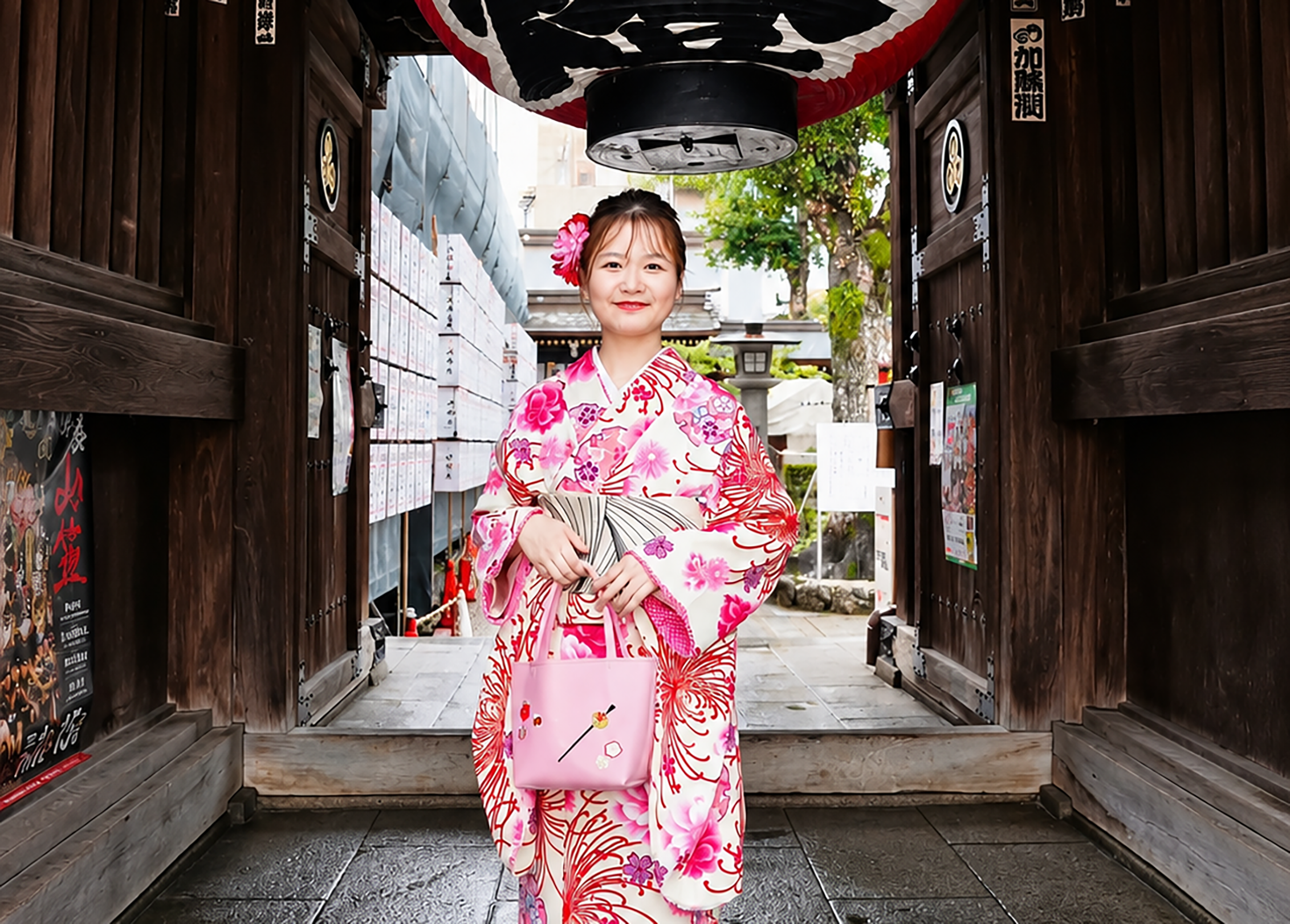
Beyond YOSAKOI, students can participate in many other activities such as wearing kimonos, practicing calligraphy, folding origami, experiencing cosplay, exploring tea ceremonies, cuisine, and manga art.
These seemingly entertaining experiences reflect an educational trend pursued by many universities around the world: experiential learning.
Instead of simply receiving knowledge in a one-way manner, students are placed in a real-world cultural context to develop adaptability, multicultural thinking, and integration skills—qualities increasingly valued by international businesses.
When universities aim to train globally competent professionals
According to education experts, in a context where businesses increasingly prioritize personnel who can adapt, communicate interculturally, and work in multinational environments, specialized knowledge alone is not enough.
Dr. Vu Thuy Nga, Head of the Department of Japanese Language and Culture, stated: “The program's goal goes beyond simply fostering a love for the Japanese language or culture. More importantly, it teaches students how to connect, adapt, and prepare for work in an international environment. While knowing a foreign language is an advantage, understanding the culture is key to sustainable growth and success.”
This viewpoint was also emphasized by Associate Professor Dr. Dao Thi Thu Giang - Rector of Dai Nam University: “Activities like the Japanese Culture Week are not simply extracurricular activities, but an integral part of the training process. Today's universities not only equip students with specialized knowledge, but also need to create an environment for them to experience, understand cultural differences, and develop the capacity for integration. We aim to train students to be well-rounded – strong in expertise, rich in experience, and ready to work in an international environment.”
According to school leaders, many of the lessons that help students mature most often don't come from textbooks, but from real-world experiences and an understanding of the people behind each culture.
Foreign languages, experiences, and global career opportunities.
Amidst expanding cooperation between Vietnam and Japan, the demand for personnel proficient in Japanese and knowledgeable about Japanese culture is increasing in many fields such as translation and interpretation, education, tourism, trade, logistics, technology, human resources, and Japanese FDI enterprises.
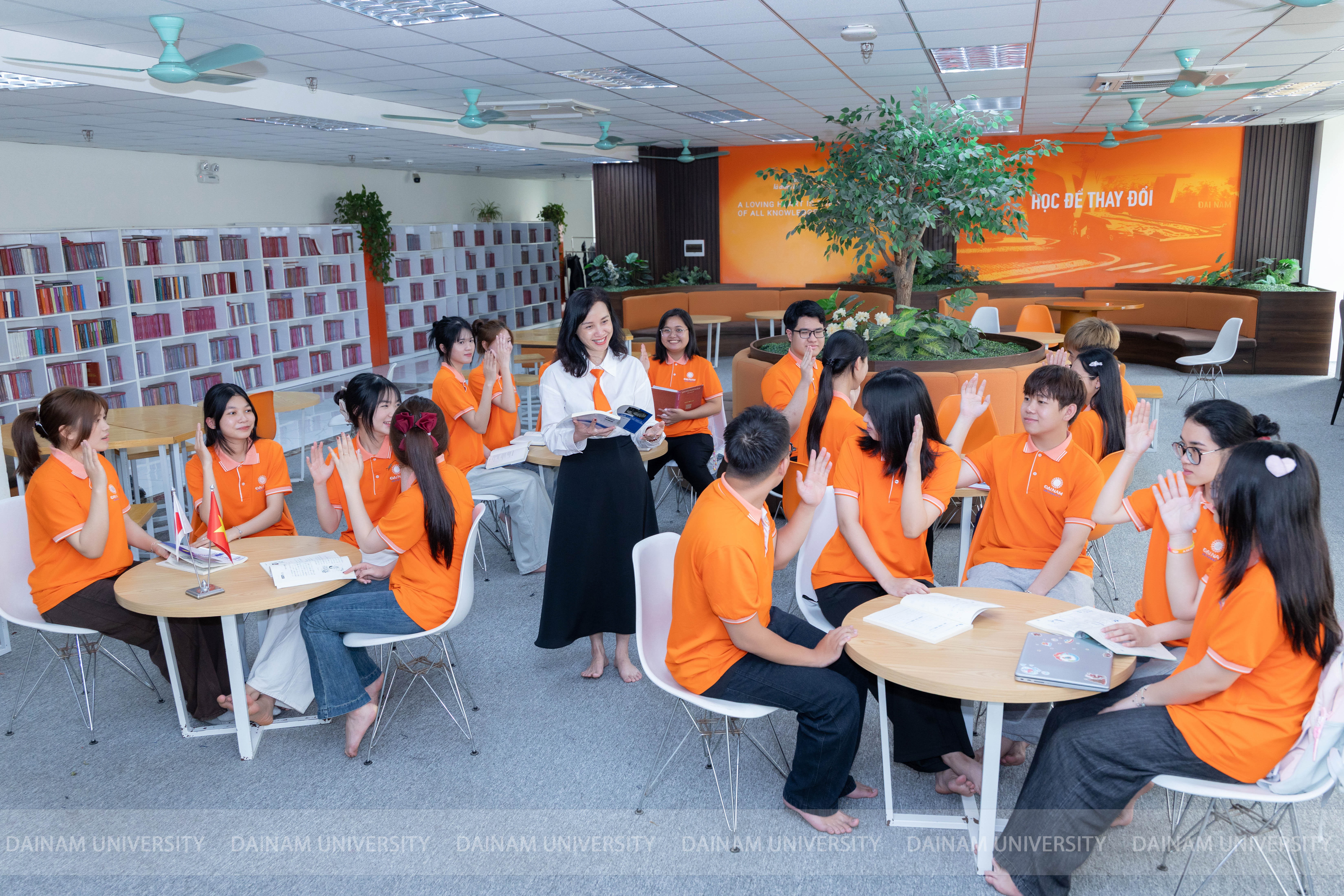
Associate Professor Dr. Dao Thi Thu Giang stated that students majoring in Japanese Language at Dai Nam University are trained with a foreign language orientation linked to practical experience and integration skills, enhancing international exchange, connecting with businesses, and providing a practical learning environment.
In addition to the training program, students also have access to many supporting policies such as a 55 billion VND scholarship fund, international semesters, job placement assistance, and a commitment not to increase tuition fees throughout the entire course.
This model is expected to help students adapt more quickly to a multicultural work environment – a factor increasingly valued by businesses.
As Japan Culture Week 2026 comes to a close, what remains is not just the vibrant performances or the photos taken with kimonos and cherry blossoms.
It also offers insight into higher education in the context of globalization: young people who want to go far need not only foreign languages, but also the ability to adapt, connect, and understand cultural differences.
In 2026, Dai Nam University will recruit students for the Japanese Language major through five methods: considering high school graduation exam scores; considering high school academic transcripts; direct admission according to the regulations of the Ministry of Education and Training; considering results of aptitude and thinking assessment exams (HSA, TSA, SPT, V-SAT); and admission based on graduation results from vocational schools, colleges, and universities in the same field.
Registration for admission: https://xettuyen.dainam.edu.vn/
Alternatively, contact our hotline at 0961 595 599 / 0931 595 599 for advice.
BTT